
Categories
Uncategorized

The Ultimate Guide to Akagera National Park Wildlife and Landscapes

Akagera National Park, located in eastern Rwanda along the border with Tanzania, is one of East Africa’s most scenic wildlife destinations. Known for its diverse ecosystems, rolling savannahs, lakes, and wetlands, Akagera offers visitors an unforgettable safari experience. The park is a prime destination for spotting the Big Five, observing unique bird species, and enjoying dramatic landscapes that change with the seasons.

In this Guide to Akagera National Park, we provide a detailed look at wildlife, landscapes, and top safari experiences to help you plan your visit.

An Overview of Akagera National Park

Akagera National Park covers an area of 1,122 square kilometers (433 square miles) and is Rwanda’s largest protected area. The park is named after the Akagera River, which runs along its northern boundary and nourishes the park’s lakes and wetlands.

Akagera is part of the larger Akagera Ecosystem, which includes private conservancies and community lands. This region is vital for wildlife conservation and provides safe corridors for elephants, lions, and other large mammals.

Akagera’s Landscapes

The park is renowned for its varied and scenic landscapes, which range from open savannahs to lush wetlands and picturesque lakes. Key features include:

  • Rolling Savannahs: Ideal for spotting large herbivores like zebras, giraffes, and buffaloes.
  • Wetlands and Lakes: Including Lake Ihema, which attracts hippos, crocodiles, and hundreds of bird species.
  • Wooded Hills: Providing shelter for predators such as lions and leopards and a rich diversity of smaller mammals.
  • Rivers and Streams: These support aquatic wildlife and are excellent spots for photography.

This combination of ecosystems makes Akagera one of Rwanda’s most biodiverse parks.

Wildlife in Akagera National Park

Akagera is home to a wide variety of wildlife, from the Big Five to rare antelopes and countless bird species. The park has undergone significant conservation efforts, including the reintroduction of lions, rhinos, and giraffes, making it a thriving wildlife sanctuary.

The Big Five and Other Mammals

  • Elephants: Large herds roam the savannahs and wetlands, particularly near water sources.
  • Lions: Reintroduced in 2015, lions are now a growing population in Akagera and can be spotted in open plains and wooded hills.
  • Leopards: Though elusive, leopards inhabit forested areas and are sometimes seen on early morning or evening drives.
  • Buffaloes: Large herds graze the savannahs and wetlands, often alongside zebras and antelopes.
  • Rhinoceroses: Eastern black rhinos were successfully reintroduced and can be observed with guided safaris.

Other mammals include giraffes, zebras, waterbucks, impalas, warthogs, and hippos. The diversity of herbivores and predators ensures exciting wildlife encounters throughout the park.

Birdlife in Akagera

Akagera National Park is a birdwatcher’s paradise, with over 500 recorded species. The park’s wetlands, lakes, and savannahs provide habitats for a wide variety of birds, including:

  • African fish eagle: Frequently seen soaring above Lake Ihema.
  • Pelicans and flamingos: Found along the lakes and wetlands, adding color to the scenery.
  • Storks, herons, and kingfishers: Common around rivers and swamps.
  • Raptors and vultures: Observed hunting over open savannahs.

Bird enthusiasts will find Akagera a rewarding destination year-round.

Top Safari Activities in Akagera

Akagera offers a range of safari experiences, catering to different preferences and adventure levels:

1. Game Drives

Game drives are the most popular way to explore Akagera’s wildlife. Early morning and late afternoon drives are ideal for spotting active animals. Vehicles travel along the park’s network of roads, covering savannahs, wetlands, and wooded hills to maximize wildlife sightings.

2. Boat Safaris

Boat safaris on Lake Ihema provide a unique perspective on Akagera’s aquatic wildlife. Hippos, crocodiles, and a variety of waterbirds can be observed, making boat trips perfect for photographers and nature enthusiasts.

3. Guided Nature Walks

For a closer experience with Akagera’s ecosystems, guided walking safaris allow visitors to explore the park on foot. These walks provide insights into plant life, bird species, and smaller mammals often missed on game drives.

4. Birdwatching Tours

Dedicated birdwatching excursions focus on spotting rare and endemic species. With over 500 species recorded, visitors have the opportunity to see African jacanas, herons, pelicans, and colorful sunbirds in their natural habitats.

5. Cultural Visits

Nearby communities offer cultural experiences, including visits to local villages and learning about traditional Rwandan life. These experiences complement wildlife viewing and support local conservation efforts.

Best Time to Visit Akagera National Park

The best time to visit Akagera is during the dry seasons:

  • June to September: Cooler temperatures and easy-to-navigate roads make wildlife spotting easier.
  • December to February: Dry conditions concentrate animals around water sources and provide excellent photographic opportunities.

The wet seasons (March to May and October to November) bring lush vegetation and abundant birdlife, but some roads may be muddy and difficult to traverse.

Tips for a Successful Safari in Akagera

  1. Hire an experienced guide: Local guides increase wildlife sighting opportunities and ensure safety.
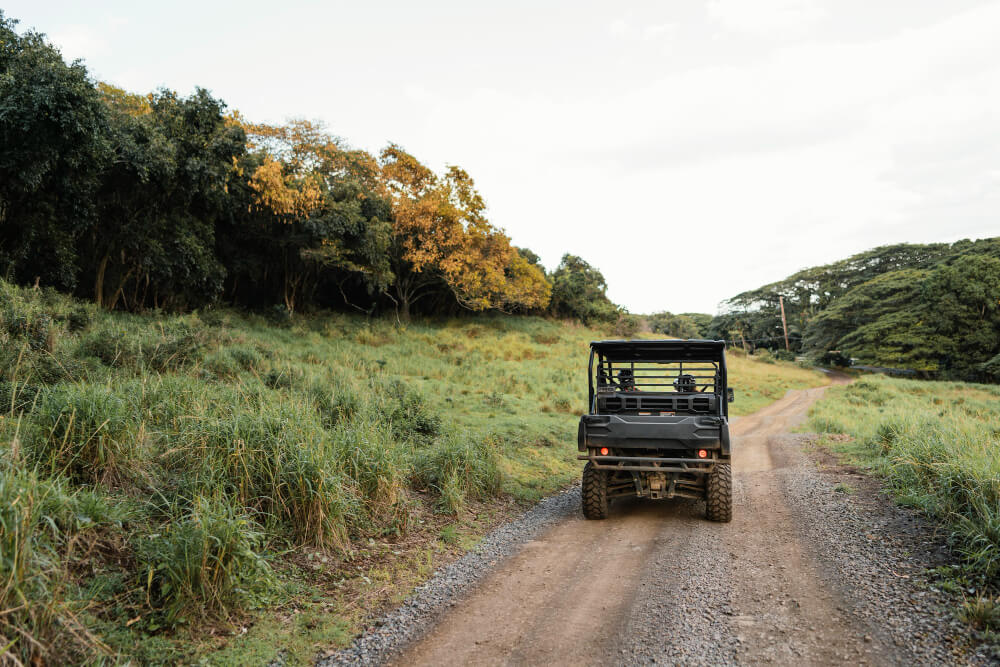
  2. Use a 4×4 vehicle: Essential for navigating the park’s rough terrain.
  3. Bring binoculars and camera gear: For wildlife observation and capturing memorable moments.
  4. Dress appropriately: Lightweight, neutral-colored clothing with layers for mornings and evenings.
  5. Plan for hydration and snacks: Especially for full-day game drives or boat safaris.

FAQs

What animals can I see in Akagera?
Expect elephants, lions, leopards, buffaloes, rhinos, giraffes, zebras, and over 500 bird species.

When is the best time to visit?
The dry seasons, from June to September and December to February, are ideal for wildlife spotting.

Are boat safaris worth it?
Yes. Lake Ihema offers excellent opportunities to observe hippos, crocodiles, and waterbirds up close.

Is Akagera suitable for family safaris?
Absolutely. The park’s accessible roads and diverse wildlife make it perfect for families and first-time safari-goers.

Can I do walking safaris in Akagera?
Yes. Guided walking safaris provide intimate encounters with wildlife and plant life, but should be done with experienced guides.

Akagera National Park is a must-visit destination for anyone seeking a mix of wildlife, birdlife, and scenic landscapes in Rwanda. From observing the Big Five on open savannahs to spotting rare birds along wetlands and lakes, the park offers a rich and diverse safari experience. Whether on game drives, boat trips, or guided walks, Akagera promises unforgettable encounters and lasting memories for nature enthusiasts and adventure seekers alike.
Categories
Uncategorized

The Best Game Drives in Tsavo East National Park: Routes & Timing Tips

Tsavo East National Park, located in southeastern Kenya, is one of the country’s most iconic wildlife destinations, celebrated for its vast landscapes, diverse wildlife, and rich safari experiences. Known for its red-dusted earth, sprawling savannahs, and expansive plains, Game Drives in Tsavo East offers a unique safari adventure that combines breathtaking scenery with up-close encounters with Africa’s most renowned animals. From majestic elephants to elusive predators, the park provides an unparalleled opportunity to explore Kenya’s wilderness in its rawest form.

In this guide, we’ll explore the best game drive routes, timing tips, and strategies to ensure you get the most out of your safari in Tsavo East National Park.

An Overview of Tsavo East National Park

Covering an area of 13,747 square kilometers (5,308 square miles), Tsavo East is one of Kenya’s largest national parks and forms part of the greater Tsavo Conservation Area. The park is famous for its iconic landscapes, including the Galana River, the Aruba Dam, and the red volcanic soil that gives the park its distinctive hue. Tsavo East is home to a rich variety of wildlife, including elephants, lions, leopards, cheetahs, giraffes, zebras, buffaloes, and over 600 bird species.

The park is also part of a critical wildlife corridor connecting to Tsavo West National Park and the surrounding community conservancies, ensuring the free movement of animals across the region.

Tsavo East Landscapes and Wildlife

Tsavo East’s landscapes are defined by open savannahs, scattered acacia woodlands, riverine forests, and seasonal wetlands. This variety of habitats supports a wealth of wildlife. The park is particularly famous for its large herds of red elephants, whose dust-covered skin blends with the park’s terrain, creating one of the most photographed scenes in African safaris.

Other notable wildlife includes:

  • Big cats: Lions, leopards, and cheetahs roam the park’s plains, offering thrilling predator sightings.
  • Herbivores: Giraffes, zebras, and antelopes graze across open grasslands.
  • Birdlife: Over 600 bird species, including African fish eagles, pelicans, and the ostrich, make Tsavo East a paradise for birdwatchers.

The Best Game Drive Routes in Tsavo East National Park

To experience the park’s wildlife and landscapes at their finest, it’s important to know the most effective game drive routes. Here are some of the top areas to explore:

1. Aruba Dam Area

The Aruba Dam is a wildlife hotspot, particularly during the dry season when animals congregate around the water. Game drives here offer excellent chances to spot elephants, buffaloes, and giraffes, along with lions that often patrol the area. The dam’s scenic backdrop makes it ideal for photography, especially during sunrise and sunset.

2. Galana River Corridor

The Galana River cuts through Tsavo East, supporting lush vegetation and attracting a diverse range of animals. Early morning drives along the river are perfect for spotting elephants bathing, crocodiles sunning themselves, and birds along the banks. The river’s wetlands are also prime locations to observe hippos and water-dependent wildlife.

3. Mudanda Rock Area

Mudanda Rock, an expansive granite formation, provides panoramic views of the surrounding savannah and is a favorite for spotting predators. Lions and leopards are often seen resting near the rock, while hyenas and jackals roam nearby. The elevated viewpoint also allows for spectacular landscape photography.

4. Lugard Falls and Voi River Region

The Voi River and nearby Lugard Falls create a rich ecosystem that attracts elephants and other herbivores. This route is ideal for combining wildlife viewing with scenic landscapes. During the wet season, the area comes alive with migratory birds, adding another dimension to your game drive.

Timing Tips for Game Drives in Tsavo East

Timing is key to making the most of your safari experience. Wildlife in Tsavo East is more active during the cooler parts of the day, and the lighting conditions for photography are optimal during specific hours.

Morning Game Drives

  • Time: 6:00 AM – 10:00 AM
  • Advantages: Wildlife is most active; cooler temperatures; better lighting for photography.
  • Wildlife spotting: Lions returning from nocturnal hunts, elephants moving toward water sources, predators on the prowl.

Afternoon Game Drives

  • Time: 3:00 PM – 6:00 PM
  • Advantages: Animals gather around waterholes; softer evening light enhances photography.
  • Wildlife spotting: Grazing herbivores, predators resting under trees, hippos in the river.

Full-Day Game Drives

For those wanting an immersive safari experience, full-day drives allow you to explore multiple routes and habitats. Many lodges and camps provide packed lunches, giving you the flexibility to cover Aruba Dam, Galana River, and Mudanda Rock in a single day.

Tips for a Successful Game Drive

  1. Hire an experienced guide: Knowledgeable guides increase your chances of spotting elusive wildlife and provide insight into the park’s ecology.
  2. Travel in a 4×4 vehicle: Tsavo East’s terrain can be rugged, and a 4×4 ensures access to all major routes.
  3. Bring binoculars and a camera: Essential for wildlife viewing and capturing stunning moments.
  4. Dress appropriately: Lightweight, neutral-colored clothing is ideal, and layers help with cooler mornings and evenings.
  5. Plan for hydration and snacks: Long game drives require adequate water and light refreshments.

Best Time to Visit Tsavo East National Park

The dry seasons, from June to October and January to February, are the most recommended for game drives. During these months:

  • Wildlife is concentrated around water sources, making sightings more predictable.
  • Roads are more navigable, reducing travel difficulties.
  • The clear skies provide excellent conditions for photography.

The wet seasons (March to May and November to December) bring lush vegetation and migratory birds, enhancing the park’s scenic beauty. However, some areas may become muddy and less accessible.

FAQs

What animals can I expect to see on a game drive in Tsavo East?
Expect to see elephants, lions, leopards, cheetahs, giraffes, zebras, buffaloes, and over 600 bird species.

When is the best time for game drives in Tsavo East?
Early mornings and late afternoons are ideal, as animals are most active during cooler hours.

Which routes are best for game drives?
Aruba Dam, Galana River, Mudanda Rock, and Lugard Falls are top areas for wildlife spotting and photography.

Do I need a guide for a game drive?
Yes. Guides provide safety, expertise, and insights into the park’s wildlife and ecology.

Can I do full-day game drives in Tsavo East?
Absolutely. Full-day drives are recommended to cover multiple habitats and maximize wildlife encounters.

Exploring Tsavo East National Park on a game drive is a truly unforgettable experience. With its expansive plains, diverse wildlife, and iconic landscapes, the park offers some of the best safari adventures in Kenya. Whether observing elephants at Aruba Dam, photographing lions at Mudanda Rock, or enjoying birdlife along the Galana River, a game drive in Tsavo East promises memories that will last a lifetime.

Categories
Uncategorized

Best Time to Climb Mt Rwenzori National Park & What to Expect on the Trails

Mt Rwenzori National Park, located on the border of Uganda and the Democratic Republic of Congo, is a UNESCO World Heritage site famous for its rugged peaks, glaciers, and unique Afro-alpine ecosystems. Often referred to as the “Mountains of the Moon,” Rwenzori offers one of Africa’s most challenging and rewarding trekking experiences. From lush tropical forests to alpine meadows and snow-capped peaks, climbing Rwenzori is a journey through diverse landscapes and extraordinary biodiversity.

In this guide, we explore the best times to climb Mt Rwenzori and provide detailed insights into what trekkers can expect on the trails.

An Overview of Mt Rwenzori National Park

Mt Rwenzori National Park covers an area of 996 square kilometers (384 square miles) and includes five main peaks, with Margherita Peak being the highest at 5,109 meters (16,762 feet). The park is known for its glaciers, snowfields, and unique flora, including giant lobelias and endemic plant species.

Climbing Rwenzori is not only a physical challenge but also a journey through Uganda’s rich natural heritage. The park is home to wildlife such as forest elephants, buffaloes, duikers, and an array of birds, making it a unique blend of adventure and nature observation.

The Best Time to Climb Mt Rwenzori

Timing your climb is essential for safety, trail conditions, and optimal views. Mt Rwenzori experiences a tropical mountain climate, with significant rainfall throughout the year. However, there are two periods that are ideal for trekking:

  • June to September: These are the driest months, offering clearer skies, firmer trails, and reduced risk of landslides. The cooler temperatures make for more comfortable trekking, and views of the peaks and glaciers are often at their best.
  • December to February: Another favorable window with relatively drier weather, though some trails may still be wet. These months provide good trekking conditions and excellent opportunities for photography.

The wet seasons (March to May and October to November) bring heavy rains, slippery trails, and limited visibility, making climbing more difficult and potentially dangerous.

What to Expect on the Trails

Climbing Mt Rwenzori is a multi-day adventure that requires preparation, stamina, and an appreciation for high-altitude trekking. Trekkers typically follow established routes that pass through different ecological zones, each offering unique sights and challenges.

1. Tropical Forest Zone (1,000 – 2,200 meters)

The lower slopes of Rwenzori are covered in dense tropical rainforest. Expect lush vegetation, waterfalls, and abundant wildlife, including monkeys, forest elephants, and rare bird species. Trails in this zone can be muddy and slippery, so proper hiking boots and walking sticks are essential.

2. Bamboo Zone (2,200 – 3,000 meters)

Above the forest, the bamboo zone is characterized by tall bamboo groves and mossy vegetation. This area is often misty and cool, offering a dramatic change in scenery. Trekkers should be prepared for steep climbs and occasional rain, which can make the bamboo forest slippery and challenging.

3. Heath and Heather Zone (3,000 – 4,000 meters)

The heath and heather zone features shrubs, giant lobelias, and ground-hugging plants. Trails become rocky and uneven, and the temperatures drop significantly. Trekkers should layer clothing to adjust to fluctuating temperatures and carry warm gear for overnight camping at high-altitude huts.

4. Alpine Zone (4,000 – 5,000+ meters)

The alpine zone presents stunning views of glaciers, snowfields, and rugged peaks. Oxygen levels are lower, and trekkers should pace themselves to avoid altitude sickness. The final ascent to Margherita Peak involves crossing snow and ice, often requiring crampons and ropes, guided by experienced mountaineers.

Wildlife and Flora Along the Trails

While the high-altitude zones are mostly barren, the lower and mid-elevation areas are rich in biodiversity. Trekkers can expect to see:

  • Forest elephants and buffaloes in the tropical forest.
  • Bird species such as the Rwenzori turaco and sunbirds.
  • Unique plants like giant lobelias and groundsel species adapted to alpine conditions.

The combination of wildlife, endemic flora, and dramatic landscapes makes the trek both a physical and visual feast.

Tips for a Successful Climb

  1. Hire an experienced guide and porters: Local guides ensure safety, route navigation, and assistance with camping logistics.
  2. Prepare physically: The climb is strenuous; prior training and cardiovascular fitness are highly recommended.
  3. Pack high-altitude gear: Warm clothing, waterproof jackets, gloves, hats, and sturdy hiking boots are essential.
  4. Acclimatize properly: Spend time at mid-altitude camps to adjust to the thinner air and reduce the risk of altitude sickness.
  5. Carry adequate food and water: High-energy meals and hydration are critical for endurance and recovery.

Frequently Asked Questions

When is the best time to climb Mt Rwenzori?
The optimal months are June to September and December to February, when trails are drier and visibility is better.

How long does a typical trek take?
Most climbs take 6 to 8 days, depending on the chosen route and trekking pace.

Do I need technical climbing skills?
Basic trekking experience is sufficient for most of the route, but the final summit requires guidance and equipment for snow and ice.

What should I expect in terms of accommodation?
Trekkers stay in designated mountain huts or campsites along the trail. Facilities are basic but provide shelter and warmth.

Is Mt Rwenzori suitable for beginner trekkers?
While challenging, the trek is accessible to fit and prepared beginners with proper guidance. The lower zones offer easier trekking opportunities.

Climbing Mt Rwenzori National Park is an adventure of a lifetime. With the right timing, preparation, and guidance, trekkers can experience breathtaking landscapes, unique wildlife, and the thrill of reaching Africa’s snow-capped peaks. From tropical forests to alpine glaciers, every step on Rwenzori’s trails offers a new discovery and unforgettable memories. Whether you’re an experienced trekker or a nature enthusiast seeking a high-altitude adventure, Mt Rwenzori promises a journey filled with awe and wonder.

Categories
Uncategorized

Complete Hiking Guide to Mt Rwenzori National Park: Routes, Permits & Packing List

Mt. Rwenzori National Park, often called the “Mountains of the Moon,” is one of Africa’s most spectacular and challenging trekking destinations. Lying on the border between Uganda and the Democratic Republic of Congo, this UNESCO World Heritage Site boasts dramatic landscapes, glacial peaks, and a biodiversity unlike anywhere else on the continent. If you’re a trekker seeking a truly unforgettable adventure, hiking Guide to Mt Rwenzori should be at the top of your list.

In this comprehensive guide, we’ll explore everything you need to know about planning a trek to Mt. Rwenzori — including the best routes, permit requirements, and an essential packing list to help you prepare.

Why Hike Mt. Rwenzori?

Mt. Rwenzori isn’t your typical hiking experience. Unlike Kilimanjaro or Mount Kenya, Rwenzori’s trails are rugged, wet, and demanding, requiring serious fitness and mental preparation. Yet for those who make the journey, the rewards are immense: soaring glaciers, misty rainforests teeming with life, spectacular waterfalls, and panoramic views from Africa’s third‑highest peak, Margherita Peak (5,109 m / 16,762 ft).

The park is also a conservation treasure, home to endemic flora and fauna such as the Rwenzori turaco, giant lobelias, and towering heaths. It’s a trek where nature truly stuns at every turn.

Best Routes to Trek Mt. Rwenzori

Several established routes take you through varying terrains, difficulty levels, and scenic highlights. Choosing the right one depends on your skill level, time available, and personal goals.

1. Central Circuit (Classic Route) – 8 to 12 Days

This is the most popular and recommended trekking route for summiting Margherita Peak.

  • Duration: 8–12 days
  • Distance: Approx. 88–95 km (varies with itinerary)
  • Difficulty: Very Hard
  • Highlight: It covers all major points of interest, including the Base Camp, Elena Hut, and the challenging summit push.

Why choose it: It offers the most complete Rwenzori experience — dramatic landscapes, varied ecosystems, and the highest peak.

Typical Itinerary:

  1. Nyakalengija Gate to Nyabitaba Hut
  2. Nyabitaba to John Matte Hut
  3. John Matte to Bujuku Hut
  4. Bujuku to Elena Hut
  5. Elena to Summit Camp
  6. Summit Day
  7. Follow descent through various huts back to Nyakalengija Gate

Expect steep ascents, rock scrambles, and potentially icy conditions approaching the summit.

2. Kilembe Route – 7 to 10 Days

A less crowded alternative that still offers remarkable views.

  • Duration: 7–10 days
  • Difficulty: Hard
  • Highlight: Starts from the Kilembe side and merges with the central circuit.

Why choose it: Slightly shorter and quieter but still demanding. Good for experienced hikers who want a bit more solitude.

3. Northern Circuit – 8 to 10 Days

This route is more remote and less frequently done.

  • Duration: 8–10 days
  • Difficulty: Hard
  • Highlight: Offers unique perspectives on the lesser‑visited north side of the range.

Why choose it: Adventurous trekkers looking to avoid crowds and explore wild terrain.

Permits & Regulations

Before you lace up your boots, it’s crucial to understand the permit requirements. Rwenzori National Park is strictly regulated, and hiking without proper authorization is not allowed.

Where to Get Permits

All trekking permits must be obtained from the Uganda Wildlife Authority (UWA). These can be booked:

  • Online: Through the UWA booking portal
  • In Kampala or Fort Portal: At UWA offices
  • At the Park Gate: Limited same‑day availability

Tip: Booking in advance is highly recommended, especially during peak hiking seasons (June–September and December–February).

What Permits You Need

  1. Rwenzori Trekking Permit
    • Valid for specific number of days
    • Allows access to designated trekking routes
  2. Park Entry Fees
    • Daily conservation fee for each adult
    • Children and students may have discounted rates
  3. Guide & Porter Fees
    • Mandatory to hire a certified guide
    • Porters are optional but strongly recommended

Permits must be presented at the trailhead. No unauthorised entry is permitted.

Essential Packing List

The conditions on Mt. Rwenzori can be unpredictable — rain, mist, cold nights, and slippery trails are the norm. Packing well is not just about comfort — it’s about safety.

Clothing

  • Base layers: Moisture‑wicking tops and leggings
  • Insulating layer: Fleece or down jacket
  • Outer layer: Waterproof and breathable jacket + pants
  • Trekking pants: Durable and quick‑dry
  • Gloves: Waterproof and insulated
  • Warm hat + sun hat
  • Quick‑dry socks (4–6 pairs)

Footwear

  • Sturdy hiking boots: Waterproof with good ankle support
  • Gaiters: To keep out mud and water
  • Camp shoes: Lightweight sandals or camp slippers

Camping & Sleep Gear

  • Sleeping bag: Rated to at least ‑10°C / 14°F
  • Sleeping mat: For insulation from cold ground
  • Headlamp + extra batteries
  • Trekking poles: Strongly recommended

Food & Hydration

  • Water bottles / hydration bladder
  • Water purification: Tablets or filter
  • High‑energy snacks: Nuts, energy bars, dried fruit
  • Meals: Usually provided by trekking operators, but bring extras

Safety & First Aid

  • First aid kit: Include blister care
  • Sunscreen + lip balm
  • Insect repellent
  • Personal medications
  • Emergency whistle

Tech & Extras

  • Camera + extra memory cards
  • Portable charger / solar panel
  • Notebook & pen
  • Trash bags: Carry out what you bring in

Training & Preparation Tips

Mt. Rwenzori is a serious undertaking. To give yourself the best chance of success:

  • Build cardio endurance: Long hikes, cycling, or running
  • Strength training: Focus on legs and core
  • Practice hiking with a pack
  • Acclimatize: Spend a day or two at altitude before summit push

Expect unpredictable weather — rain can fall any day and trails can become muddy and slippery. Mental endurance is just as important as physical strength.

When to Visit Mt Rwenzori

Rwenzori can be hiked year‑round, but the best conditions are typically during the dry months:

  • June – September
  • December – February

Rain is common outside these windows, increasing difficulty and discomfort.

Final Tips for a Great Trek

  • Hire experienced guides: They know the terrain, weather, and safety protocols
  • Respect cultural norms: The region around Rwenzori has communities with rich traditions
  • Plan rest days: Save energy for high passes and summit attempts
  • Stay hydrated: Altitude and exertion increase dehydration risk

Hiking Guide to Mt Rwenzori National Park is not just a trek — it’s a transformational journey through mystical landscapes, enduring rainforests, and rugged peaks. With the right preparation, permits, and gear, you’ll stand atop one of Africa’s most iconic summits and savor a sense of achievement few trekkers experience.

Whether you’re an experienced mountaineer or an ambitious adventurer, this guide will help you plan a safe, successful, and unforgettable Rwenzori expedition.(Hiking Guide to Mt Rwenzori)

    Categories
    featured

    Witness the Iconic Elephants of Amboseli National Park

    Amboseli National Park, located in southern Kenya, is world-renowned for its iconic elephants, many of which are among the largest in Africa. With their immense tusks and majestic presence, these elephants are one of the most celebrated wildlife attractions in East Africa. Set against the stunning backdrop of Mount Kilimanjaro, the highest free-standing mountain in the world, Amboseli’s elephants are often the highlight of any safari, providing an unforgettable experience as they roam across the open plains and lush swamps.

    In this guide, we’ll explore the unique world of the elephants of Amboseli National Park, delving into their behavior, conservation efforts, and how you can witness these incredible creatures in one of Africa’s most beautiful landscapes.

    Amboseli National Park: The Land of Giants

    Amboseli National Park is often referred to as the “Land of Giants” due to its famous population of African elephants, some of which have been studied for decades. Covering 392 square kilometers (151 square miles), the park is located in Kenya’s Kajiado County, near the Tanzanian border. Its proximity to Mount Kilimanjaro provides a dramatic backdrop, and Amboseli’s unique ecosystem, which includes savannahs, acacia woodlands, and swamps, offers the perfect environment for elephants to thrive.

    The park is a haven for wildlife, but the elephants are undoubtedly its stars. Amboseli is home to over 1,000 elephants, and visitors are often treated to incredible sightings of large herds walking across the plains or feeding in the park’s lush wetlands. Thanks to decades of research conducted by the Amboseli Elephant Research Project (AERP), the elephants of Amboseli are some of the most studied and well-known in Africa.

    The Elephants of Amboseli: A Closer Look

    The elephants of Amboseli National Park are unique not only because of their size but also due to their strong social structures and complex behaviors. These elephants have been the focus of intensive research since the early 1970s, making them one of the most studied populations in the world. The Amboseli Elephant Research Project, led by Dr. Cynthia Moss, has played a pivotal role in understanding the social dynamics, family structures, and conservation needs of African elephants.

    Majestic Tuskers of Amboseli

    One of the most remarkable features of Amboseli’s elephants is their tusks. Many of the park’s bulls (male elephants) have exceptionally long tusks, a characteristic that has become increasingly rare due to poaching in other parts of Africa. Some of the tuskers in Amboseli carry tusks so long they nearly touch the ground, making them highly sought-after by photographers and wildlife enthusiasts.

    The park’s rich supply of water and vegetation, particularly in the swamps, allows the elephants to grow to impressive sizes. As a result, the bulls in Amboseli are among the largest in Africa, with some males weighing over six tons.

    Elephant Behavior and Social Structure

    Elephants are highly social animals, and in Amboseli, they live in matriarchal family groups led by an older female. These family units can include multiple generations of related females and their young, and the bond between family members is incredibly strong. Females and their calves are often seen walking together in tight-knit groups, and the matriarch plays a crucial role in guiding the herd, particularly during times of drought or danger.

    Male elephants (bulls) typically leave their family groups when they reach adolescence and either live solitary lives or form small bachelor groups. These males will rejoin females during mating season, but for the most part, they live independently.

    In Amboseli, visitors can witness these family dynamics firsthand, observing the gentle interactions between mothers and calves, the playful behavior of young elephants, and the imposing presence of the bulls. The park’s wide-open spaces provide excellent visibility, making it easy to watch these incredible animals as they go about their daily activities.

    Best Places to See Elephants in Amboseli National Park

    Amboseli’s elephants are widespread throughout the park, but certain areas provide particularly good opportunities for close encounters. Here are some of the best spots to see elephants in Amboseli:

    1. The Swamps of Amboseli

    The park’s permanent swamps, such as Enkongo Narok and Olokenya Swamp, are among the best places to observe elephants up close. These wetlands, fed by underground springs from Mount Kilimanjaro, provide a year-round source of water for the park’s wildlife, making them a magnet for elephants, especially during the dry season.

    Elephants of Amboseli National Park

    In the swamps, elephants can often be seen feeding on the lush vegetation, bathing, and cooling off in the water. Watching a large herd of elephants wade through the swamp, with Mount Kilimanjaro in the background, is one of the most iconic sights of any safari in Amboseli.

    2. Amboseli’s Open Plains

    The park’s vast open plains are another prime location for elephant viewing. These wide, grassy expanses provide perfect grazing grounds for Amboseli’s elephants, and visitors are likely to see large herds slowly making their way across the plains, often accompanied by zebras, wildebeests, and giraffes.

    The open terrain of Amboseli makes it easy to spot elephants from a distance, and game drives through the park’s plains offer excellent opportunities for wildlife photography, particularly during the early morning or late afternoon when the light is softer.

    3. Observation Hill

    For panoramic views of Amboseli’s landscapes and its wildlife, Observation Hill is a must-visit spot. Located in the western part of the park, this small hill provides sweeping views of the park’s plains, swamps, and Mount Kilimanjaro. It’s an excellent place to stop during a game drive, as you can often see elephants moving across the plains or gathering at the waterholes below.

    The elevated vantage point of Observation Hill gives visitors a bird’s-eye view of the park’s ecosystems and provides fantastic photo opportunities of elephants with Kilimanjaro as the backdrop.

    Elephant Conservation in Amboseli

    The elephants of Amboseli have been the focus of conservation efforts for decades, and the work done by the Amboseli Elephant Research Project has been critical in ensuring their protection. Since 1972, the project has been studying the behavior, health, and population dynamics of Amboseli’s elephants, making it one of the longest-running elephant research programs in the world.

    The Importance of Conservation

    The research conducted in Amboseli has provided invaluable insights into elephant behavior and has been instrumental in shaping conservation policies across Africa. The elephants of Amboseli are also critical to the park’s eco-tourism industry, as they are one of the main attractions for visitors from around the world.

    In recent years, Amboseli has become a symbol of successful elephant conservation, as the population remains relatively stable compared to other areas of Africa, where poaching has decimated elephant numbers. The ongoing work of researchers, conservationists, and local communities continues to protect Amboseli’s elephants and their habitat.

    By visiting Amboseli National Park, travelers not only have the opportunity to witness these magnificent animals but also contribute to their conservation. Park fees and donations help fund vital research and anti-poaching efforts, ensuring that the elephants of Amboseli will continue to thrive for generations to come.

    Best Time to Visit Amboseli National Park for Elephant Viewing

    The best time to visit Amboseli National Park for elephant viewing is during the dry seasons, from June to October and January to February. During these months, wildlife is more concentrated around the park’s swamps and waterholes, making it easier to spot large herds of elephants.

    The wet seasons (March to May and November to December) bring rain to the park, transforming the landscape into a lush, green paradise. While the rains can make some roads muddy and difficult to navigate, the park remains beautiful during this time, and visitors can still see elephants, especially around the swamps.

    Top Activities in Amboseli for Elephant Lovers

    In addition to traditional game drives, there are several other activities in Amboseli National Park that offer unique ways to observe and appreciate the park’s elephants.

    1. Game Drives

    Game drives are the most common way to see elephants in Amboseli, and they offer excellent opportunities for close encounters. Early morning and late afternoon drives are the best times to see elephants, as the animals are most active during the cooler parts of the day. Game drives can take you through various habitats, from the open plains to the swamps, providing diverse wildlife experiences.

    2. Guided Nature Walks

    For a more intimate experience, guided nature walks are a fantastic way to explore Amboseli’s landscapes on foot. Led by experienced guides, these walks allow you to observe the smaller details of the environment, such as tracks, plants, and birdlife. While elephants are generally viewed from a safe distance during walks, seeing them in their natural habitat from the ground is a truly humbling experience.

    3. Photography Safaris

    With its stunning landscapes and photogenic elephants, Amboseli is a dream destination for photographers. Photography safaris, led by expert guides, are designed to help you capture the best images of Amboseli’s elephants and other wildlife. Whether you’re a professional photographer or a hobbyist, Amboseli’s combination of open spaces, clear skies, and iconic animals provides endless opportunities for breathtaking shots.

    FAQs

    What makes the elephants of Amboseli National Park special?
    The elephants of Amboseli are known for their large size, long tusks, and strong family structures. Many of these elephants have been studied for decades, making them some of the most well-known and researched elephants in Africa.

    When is the best time to see elephants in Amboseli?
    The best time to see elephants is during the dry seasons (June to October and January to February), when wildlife is concentrated around the park’s swamps and waterholes.

    Can I get close to elephants during a safari?
    Yes, Amboseli offers excellent opportunities for close encounters with elephants, especially during game drives. The park’s elephants are accustomed to vehicles, allowing visitors to observe them at a safe but close distance.

    How are the elephants of Amboseli protected?
    The elephants of Amboseli are protected through ongoing research and conservation efforts, particularly by the Amboseli Elephant Research Project. Anti-poaching measures and community involvement also play a critical role in their protection.

    Is it safe to visit Amboseli National Park?
    Yes, Amboseli is a safe and well-managed park, with experienced guides ensuring the safety of visitors during game drives and other activities.

    Witnessing the iconic elephants of Amboseli National Park is a truly unforgettable experience. From their massive tusks to their complex social structures, these majestic animals are a symbol of both Africa’s natural beauty and the importance of conservation. Whether you’re watching a herd of elephants cross the savannah with Mount Kilimanjaro in the background or observing them as they feed in the park’s lush swamps, Amboseli’s elephants will leave you with memories that will last a lifetime.

    Categories
    featured

    Explore the Majestic Landscapes of Amboseli National Park

    Amboseli National Park, located in southern Kenya, is one of Africa’s most iconic wildlife destinations, renowned for its majestic landscapes, vast herds of elephants, and breathtaking views of Mount Kilimanjaro. The park’s unique setting, with the world’s tallest free-standing mountain as a dramatic backdrop, provides the perfect canvas for an unforgettable safari experience. From the open plains to the lush swamps, Amboseli’s landscapes are as diverse as its wildlife, offering visitors a chance to explore a stunning variety of ecosystems and observe some of Africa’s most famous animals in their natural habitat.

    In this guide, we’ll take you on a journey through the majestic landscapes of Amboseli National Park, highlighting its unique geographical features, wildlife encounters, and the best ways to experience this magical part of Kenya.

    An Overview of Amboseli National Park

    Amboseli National Park covers an area of 392 square kilometers (151 square miles) and lies at the foot of Mount Kilimanjaro, the highest mountain in Africa. Although the mountain is technically located in Tanzania, its snow-capped peak dominates the horizon of Amboseli, creating one of the most photographed landscapes in Africa. The park is part of the larger Amboseli Biosphere Reserve, a UNESCO World Heritage site that extends beyond the park’s boundaries and includes important wildlife corridors.

    Amboseli is often referred to as the “Land of Giants,” due to its famous population of African elephants, many of which are some of the largest in Africa. The park’s elephants are known for their massive tusks and are a key attraction for wildlife enthusiasts and photographers alike.

    A Landscape of Contrasts

    Amboseli’s landscape is defined by striking contrasts. The park is a mixture of dry, dusty plains, green swamps, and lush acacia woodlands, all of which are fed by the underground water streams from Mount Kilimanjaro. These diverse habitats support a wide range of wildlife, making Amboseli a year-round safari destination.

    The park’s open plains are dotted with acacia trees, providing shade for the animals that roam the savannah. The expansive swamps, such as the Enkongo Narok Swamp, offer a lifeline to elephants, buffaloes, hippos, and other wildlife during the dry season. The combination of these diverse ecosystems makes Amboseli one of Kenya’s most scenic and wildlife-rich parks.

    Iconic Views of Mount Kilimanjaro

    One of the most awe-inspiring features of Amboseli National Park is the towering presence of Mount Kilimanjaro in the background. Rising to 5,895 meters (19,341 feet), Kilimanjaro is the tallest free-standing mountain in the world, and its snow-capped peak creates a breathtaking contrast against the park’s vast, sun-soaked plains. The sight of elephants walking across the savannah with Kilimanjaro’s peak in the background is one of the most iconic images of Africa.

    Best Times for Viewing Mount Kilimanjaro

    Although Mount Kilimanjaro dominates the Amboseli landscape, its peak is often shrouded in clouds, especially during the warmer parts of the day. The best time to see and photograph the mountain is early in the morning or late in the afternoon, when the skies are clearer, and the light is softer. These golden hours provide the perfect conditions for capturing the beauty of Amboseli’s landscapes, with the mountain’s snowy peak glowing in the background.

    Whether you’re an avid photographer or simply an admirer of nature’s grandeur, the views of Mount Kilimanjaro from Amboseli are sure to leave a lasting impression.

    Wildlife in Amboseli National Park

    While the landscapes of Amboseli are undoubtedly spectacular, the park is also home to an incredible array of wildlife. The park is famous for its large herds of African elephants, many of which have been studied extensively by researchers due to their unique behavior and social structures. In addition to elephants, Amboseli is home to a wide range of animals, including lions, leopards, cheetahs, buffaloes, and various species of antelope.

    The Famous Elephants of Amboseli

    The elephants of Amboseli are perhaps the park’s most iconic inhabitants. Amboseli is one of the best places in Africa to see elephants up close, and the park is known for its large, long-tusked elephants, which are often seen walking in family groups across the plains or wallowing in the park’s swamps.

    Thanks to decades of research conducted by the Amboseli Elephant Research Project, much is known about the elephants of Amboseli, including their social dynamics, migration patterns, and interactions with their environment. Many of the elephants in the park are familiar to researchers, and some individuals have been studied for generations, making Amboseli an important center for elephant conservation.

    Observing these gentle giants as they move gracefully through the park is one of the most unforgettable experiences in Amboseli. You’ll have the opportunity to see them in various settings—feeding on the grasses, bathing in the swamps, or interacting with each other in ways that demonstrate their complex social bonds.

    Big Cats and Predators

    In addition to its famous elephants, Amboseli National Park is home to a variety of predators, including lions, leopards, cheetahs, and spotted hyenas. The open plains of Amboseli provide ideal hunting grounds for these big cats, and early morning or late afternoon game drives offer the best chance of spotting them on the prowl.

    Lions are the most commonly sighted predators in the park, and they are often seen lounging under trees or stalking prey across the savannah. Cheetahs can sometimes be spotted in the open grasslands, where their incredible speed gives them an advantage in hunting down antelopes like Thomson’s gazelles. Leopards, though more elusive, are also present in the park, often hiding in the dense vegetation near the swamps.

    Birdlife in Amboseli

    Amboseli is also a paradise for birdwatchers, with over 400 bird species recorded in the park. The diverse habitats, including swamps, lakes, and grasslands, provide the perfect environment for a variety of bird species, from waterbirds to raptors.

    Some of the birding highlights in Amboseli include:

    • African fish eagle: Often seen soaring above the park’s swamps and lakes, hunting for fish.
    • Grey crowned crane: A beautiful and iconic bird, frequently seen wading in the wetlands.
    • Pelicans and flamingos: These waterbirds are commonly spotted in the park’s lakes and swamps, adding a splash of color to the landscape.
    • Secretary bird: This unique bird of prey is often seen stalking the grasslands in search of small mammals and reptiles.

    Whether you’re a dedicated birder or simply enjoy spotting colorful species, Amboseli’s birdlife adds another layer of richness to the park’s already stunning biodiversity.

    Top Activities in Amboseli National Park

    There’s no shortage of activities to enjoy in Amboseli National Park, from game drives that bring you up close to the wildlife to cultural experiences with the local Maasai people. Here are some of the top activities to include in your Amboseli adventure:

    1. Game Drives

    Game drives are the best way to explore the vast landscapes of Amboseli and see its wildlife up close. Early morning and late afternoon drives are the most productive times for spotting animals, as the wildlife is more active during these cooler hours. Your guide will take you through different areas of the park, from the open plains to the swamps, ensuring you have the best possible chance of seeing elephants, lions, and other wildlife in action.

    Game drives also offer spectacular opportunities to photograph the landscapes, particularly when Mount Kilimanjaro is visible in the background.

    Majestic landscapes of Amboseli Park

    2. Nature Walks and Birdwatching

    For those who want a more intimate experience with Amboseli’s landscapes, guided nature walks are a great way to explore the park on foot. These walks take you through some of the quieter areas of the park, allowing you to observe the smaller details of the environment, such as plants, insects, and birdlife. Walking safaris are led by experienced guides who provide insights into the park’s ecosystem and its inhabitants.

    Birdwatchers will also find Amboseli to be a rewarding destination, with plenty of opportunities to spot a wide variety of species, from large raptors to colorful waterbirds.

    3. Cultural Visits to Maasai Villages

    A visit to a Maasai village is a fascinating cultural experience that adds depth to your Amboseli safari. The Maasai are an indigenous ethnic group known for their traditional customs, vibrant clothing, and close relationship with the land and its wildlife. During a village visit, you’ll have the opportunity to interact with Maasai community members, learn about their way of life, and witness traditional dances and rituals.

    Many Maasai villages are located near Amboseli, and these visits are an excellent way to support the local communities while gaining a deeper understanding of the region’s cultural heritage.

    4. Photography Safaris

    With its stunning landscapes and abundant wildlife, Amboseli National Park is a photographer’s dream. The dramatic backdrop of Mount Kilimanjaro, combined with the park’s iconic elephants and diverse ecosystems, creates countless opportunities for breathtaking images. Whether you’re an amateur photographer or a seasoned professional, Amboseli’s wide-open spaces and clear skies provide ideal conditions for capturing the beauty of Africa.

    For those interested in honing their photography skills, many lodges and camps in Amboseli offer photography safaris led by expert guides who can help you get the best shots of the park’s wildlife and landscapes.

    Best Time to Visit the Majestic landscapes of Amboseli Park

    The best time to visit Amboseli National Park is during the dry seasons, from June to October and January to February. During these months, the weather is cooler and drier, and the wildlife is more concentrated around the park’s water sources, making it easier to spot animals. The dry season also offers clearer views of Mount Kilimanjaro, which is often shrouded in clouds during the rainy season.

    The wet seasons (March to May and November to December) bring more rain and lush vegetation to the park, but the roads can become muddy and difficult to navigate. However, the park is still beautiful during this time, and the birdwatching is excellent due to the arrival of migratory species.(Majestic landscapes of Amboseli Park)

    FAQs(Majestic landscapes of Amboseli Park)

    What animals can I expect to see in Amboseli National Park?
    In addition to its famous elephants, Amboseli is home to lions, leopards, cheetahs, buffaloes, and various species of antelope. The park also offers excellent birdwatching, with over 400 species recorded.

    When is the best time to visit Amboseli National Park?
    The best time to visit is during the dry seasons (June to October and January to February), when wildlife is more concentrated around water sources and the weather is cooler.

    Can I see Mount Kilimanjaro from Amboseli National Park?
    Yes, Mount Kilimanjaro provides a stunning backdrop to the park’s landscapes. The best time to see the mountain’s peak is early in the morning or late in the afternoon when the skies are clearer.

    What other activities can I do in Amboseli besides game drives?
    In addition to game drives, you can enjoy nature walks, birdwatching, photography safaris, and cultural visits to nearby Maasai villages.

    Is Amboseli National Park good for birdwatching?
    Yes, Amboseli is a fantastic destination for birdwatching, with over 400 bird species recorded, including waterbirds like pelicans and flamingos, as well as raptors and savannah species.

    Exploring the majestic landscapes of Amboseli National Park is an experience like no other. With its vast plains, diverse ecosystems, and stunning views of Mount Kilimanjaro, the park offers visitors a unique and unforgettable safari adventure. Whether you’re watching herds of elephants roam beneath the shadow of the world’s tallest free-standing mountain, spotting lions in the savannah, or marveling at the birdlife in the swamps, Amboseli National Park promises a safari filled with awe-inspiring moments and lasting memories.(Majestic landscapes of Amboseli Park)

    Categories
    featured

    Experience Boat Safaris at Queen Elizabeth National Park

    A boat safari in Queen Elizabeth National Park offers an unforgettable experience, immersing you in the serene yet thrilling world of Uganda’s wildlife. Unlike traditional game drives, boat safaris along the Kazinga Channel allow you to witness animals from a unique perspective, as they gather near the water’s edge to drink, bathe, and cool off under the African sun. The Kazinga Channel, which connects Lake George and Lake Edward, is a lifeline for the park’s wildlife and is home to one of the highest concentrations of hippos in Africa, as well as an incredible variety of bird species and other animals.(Boat Safaris at Queen Elizabeth)

    In this guide, we’ll explore why boat safaris are a must-do in Queen Elizabeth National Park, the wildlife you can expect to see, and tips for making the most of your boat cruise on the Kazinga Channel.

    The Kazinga Channel: A Wildlife Haven

    The Kazinga Channel stretches about 40 kilometers (25 miles) through the heart of Queen Elizabeth National Park, creating a lush, water-rich environment that attracts a wide array of animals and birds. The channel’s shores are teeming with life, providing the perfect backdrop for a boat safari where you can enjoy close-up encounters with the park’s famous hippos, elephants, buffaloes, and more.

    The boat cruise along the Kazinga Channel is not only a chance to see wildlife but also to experience the peaceful, scenic beauty of the waterway. As you glide along the water, you’ll witness the natural rhythm of life on the channel’s banks, where animals congregate and interact in a setting that’s both tranquil and full of drama.(Boat Safaris at Queen Elizabeth)

    Why Boat Safaris in Queen Elizabeth National Park Are Unforgettable

    While game drives are the classic safari experience, boat safaris offer a completely different perspective on the park’s wildlife. Here are a few reasons why a boat cruise along the Kazinga Channel should be on every traveler’s itinerary:

    Close Encounters with Wildlife

    One of the most appealing aspects of a boat safari is the opportunity for close encounters with wildlife. Unlike on land-based game drives, where animals may be at a distance, boat safaris often bring you within just a few meters of the animals, particularly hippos and elephants. These large mammals, along with buffaloes, are frequently seen cooling off or grazing along the banks, completely unbothered by the boats.

    The waters of the Kazinga Channel are home to thousands of hippos, which you’ll see bobbing up and down in the water, often accompanied by their young. Nile crocodiles also inhabit the waters, basking on the shores or silently gliding through the channel, making for some dramatic and memorable wildlife moments.(Boat Safaris at Queen Elizabeth)

    Incredible Birdwatching Opportunities

    Queen Elizabeth National Park is a birdwatcher’s paradise, and the Kazinga Channel is one of the best places to spot a wide variety of bird species. With over 600 species recorded in the park, birdwatching enthusiasts will be thrilled by the diversity and abundance of birdlife visible from the boat.

    Some of the standout birds you can expect to see on a boat safari include:

    • African fish eagle: With its striking white head and brown body, this majestic bird is often seen perched along the channel, scanning the water for fish.
    • Kingfishers: The malachite and pied kingfishers are frequently seen darting across the water, hunting for small fish.
    • Pelicans: These large, graceful birds often form flocks along the shores, providing spectacular views during the cruise.
    • Cormorants and herons: These waterbirds are commonly seen wading along the banks or resting on nearby rocks.
    • Flamingos: Though less common in the channel itself, large flocks of flamingos can be spotted around the nearby crater lakes, adding a vibrant splash of color to the landscape.

    For bird lovers, a boat safari on the Kazinga Channel is an unmissable opportunity to photograph and observe some of Africa’s most beautiful and rare bird species in their natural habitat.

    A Relaxed Safari Experience

    While game drives can be exhilarating, boat safaris offer a more relaxed and serene experience. As the boat glides through the calm waters of the Kazinga Channel, you can sit back and enjoy the spectacular views of wildlife at your own pace. The slower rhythm of a boat safari allows for longer observation of animals, giving you more time to appreciate their behavior and interactions without the rush often associated with vehicle-based safaris.

    The peaceful ambiance of the Kazinga Channel makes it easy to lose yourself in the moment, whether you’re watching hippos tussle in the water, a herd of elephants crossing the river, or a fish eagle swooping down to catch its prey.

    Wildlife You’ll Encounter on a Boat Safari

    The Kazinga Channel is one of the most wildlife-rich areas in Queen Elizabeth National Park, and a boat safari offers the chance to see a wide range of animals up close. Some of the wildlife highlights you can expect include:

    Hippos and Nile Crocodiles

    The hippos of the Kazinga Channel are one of the main attractions of any boat safari. With one of the largest populations of hippos in Africa, the channel is teeming with these enormous animals, which spend most of their day submerged in water to keep cool. You’ll often see groups of hippos lounging in the water, blowing water through their nostrils or yawning widely, showcasing their impressive teeth.

    Nile crocodiles are also frequently spotted along the channel’s banks, basking in the sun or silently slipping into the water. These powerful predators add a thrilling element to the boat safari, especially when you spot one lurking just beneath the surface.

    Elephants and Buffaloes

    Large herds of elephants are commonly seen on the shores of the Kazinga Channel, where they come to drink, bathe, and play in the water. Watching a family of elephants interacting at the water’s edge, with young calves splashing and adults using their trunks to spray water, is one of the most heartwarming and memorable moments you can experience on a safari.

    The buffaloes of Queen Elizabeth National Park are another frequent sight along the channel, often seen grazing or wallowing in the mud to cool off. These formidable animals are a key part of the park’s ecosystem, and seeing them up close from the boat adds to the thrill of the safari.

    Other Wildlife and Bird Species

    In addition to hippos, crocodiles, elephants, and buffaloes, you’ll likely encounter other animals such as waterbucks, warthogs, and various antelope species that frequent the shores of the channel. The dense vegetation surrounding the channel also provides cover for smaller mammals like mongoose and monitor lizards.

    For bird enthusiasts, the variety of species you’ll see during the cruise is simply astounding. From flamingos and storks to herons and weavers, the Kazinga Channel is a haven for birdlife, offering countless opportunities for birdwatching and photography.

    When to Go on a Boat Safari

    The best time for a boat safari in Queen Elizabeth National Park is during the dry seasons, which run from June to September and December to February. During these months, wildlife is more concentrated around water sources like the Kazinga Channel, making it easier to spot animals. The weather is also more pleasant, with fewer chances of rain disrupting your safari experience.

    Boat safaris are typically offered in the morning and late afternoon, which are the best times to see wildlife along the channel. The animals are more active during these cooler hours, and the soft light makes for excellent photography conditions.

    Top Tips for Your Kazinga Channel Boat Safari

    To make the most of your boat safari in Queen Elizabeth National Park, here are a few helpful tips:

    1. Bring Binoculars and a Camera

    A good pair of binoculars is essential for spotting wildlife, especially birds, from a distance. If you’re interested in photography, bring a camera with a telephoto lens to capture close-up shots of the animals and birds along the channel.

    2. Dress for Comfort

    Wear light, breathable clothing in neutral colors to blend in with the environment. A hat and sunglasses are recommended to protect you from the sun, and don’t forget to apply sunscreen before your safari. While the weather is generally warm, it’s also a good idea to bring a light jacket, as it can get cool on the water, especially in the early morning or late afternoon.

    3. Stay Quiet and Respect Wildlife

    One of the key advantages of a boat safari is the ability to observe wildlife without disturbing them. Be mindful of noise and movement during the cruise to avoid startling the animals. Your guide will provide instructions on how to safely enjoy the safari while respecting the wildlife.

    4. Be Prepared for Amazing Birdwatching

    If you’re a bird enthusiast, be sure to bring a bird guide or checklist to help you identify the many species you’ll encounter. With over 600 bird species recorded in Queen Elizabeth National Park, the Kazinga Channel offers some of the best birdwatching opportunities in Africa.

    5. Keep an Eye on the Shorelines

    While most of the action takes place on the water, don’t forget to scan the shorelines for other wildlife. Elephants, buffaloes, and antelopes often come to the water’s edge, and you may even spot a leopard or lion lurking in the shadows, waiting for the right moment to strike.

    FAQs

    What animals can I expect to see on a boat safari in Queen Elizabeth National Park?
    On a boat safari, you can expect to see hippos, Nile crocodiles, elephants, and buffaloes, as well as a variety of bird species. Other animals like warthogs, waterbucks, and antelopes may also be spotted along the shore.

    How long does a boat safari on the Kazinga Channel last?
    Boat safaris on the Kazinga Channel typically last between 2 to 3 hours, providing ample time to see wildlife and enjoy the scenic views of the channel.

    When is the best time to go on a boat safari?
    The best time to go on a boat safari is during the dry seasons (June to September and December to February) when wildlife is more concentrated around water sources. Morning and late afternoon boat safaris are ideal for wildlife viewing.

    Are boat safaris safe?
    Yes, boat safaris in Queen Elizabeth National Park are safe. The boats are operated by experienced guides, and safety precautions are followed to ensure a smooth and enjoyable experience.

    Can I combine a boat safari with other activities in Queen Elizabeth National Park?
    Yes, many visitors combine a boat safari with a game drive or chimpanzee trekking in the Kyambura Gorge for a more comprehensive wildlife experience.

    A boat safari in Queen Elizabeth National Park is a unique and unforgettable way to experience the park’s incredible wildlife and scenery. Whether you’re observing hippos and elephants along the Kazinga Channel or spotting rare bird species in the trees, the peaceful waters of the channel offer a safari experience like no other. Whether you’re a seasoned traveler or embarking on your first African safari, a Kazinga Channel boat cruise will leave you with memories that will last a lifetime.(Boat Safaris at Queen Elizabeth)

    Categories
    featured

    Unforgettable Serengeti National Park Safari Adventures

    An unforgettable Serengeti National Park safari is the ultimate African adventure, where vast plains meet endless skies and wildlife roams free in one of the most iconic safari destinations on Earth. Known for the Great Migration—one of the world’s most remarkable natural events—Serengeti National Park is the beating heart of Tanzania’s wilderness, offering the perfect setting for an exhilarating safari experience. Whether you are drawn to the Big Five, want to witness dramatic predator-prey interactions, or explore the untamed beauty of the Serengeti’s landscapes, this safari promises memories that will last a lifetime.

    In this guide, we’ll uncover what makes a Serengeti safari truly extraordinary, from its diverse wildlife to thrilling activities that make this park a dream destination for every nature lover.

    The Magic of Serengeti National Park

    Serengeti National Park spans nearly 15,000 square kilometers (5,700 square miles) of pristine wilderness, stretching across northern Tanzania and connecting to Kenya’s Maasai Mara. The park’s name, derived from the Maasai word “Serenget” meaning “endless plains,” aptly describes the vast, open landscapes that dominate this world-renowned park. Serengeti is a critical part of the Serengeti-Mara Ecosystem, supporting a stunning array of wildlife across its diverse habitats, including grasslands, acacia woodlands, kopjes (rocky outcrops), and riverine forests.

    The park is famous for the Great Migration, but it also offers year-round wildlife viewing, with sightings of lions, leopards, elephants, buffaloes, giraffes, and countless other species making it one of Africa’s premier safari destinations.

    The Great Migration: Nature’s Greatest Spectacle

    At the heart of every Serengeti safari lies the Great Migration, a natural wonder where over 1.5 million wildebeests, accompanied by hundreds of thousands of zebras and gazelles, make their annual trek in search of fresh grazing land. This continuous movement of animals follows the rains across the Serengeti and into Kenya’s Maasai Mara, making it the largest land migration on Earth.

    River Crossings: The Thrill of the Great Migration

    One of the most anticipated moments of the Great Migration is the river crossings, particularly at the Mara and Grumeti Rivers, where the herds must brave crocodile-infested waters as they move between grazing areas. These crossings, usually from July to October, are heart-pounding experiences, as the wildebeests and zebras leap into the water, risking their lives to avoid waiting predators. Watching the chaos unfold as the animals face the challenges of nature is one of the most thrilling aspects of the migration.

    During the migration, predators such as lions, leopards, hyenas, and cheetahs follow the herds closely, resulting in dramatic chases and hunts that provide action-packed safari moments.(Unforgettable Serengeti)

    Best Time to Witness the Great Migration

    The Great Migration occurs year-round, but certain seasons offer better opportunities to witness specific events:

    • December to March: The herds gather in the southern Serengeti for calving season, where thousands of wildebeest calves are born. This is also prime time for predator activity as lions, leopards, and hyenas target the vulnerable newborns.
    • April to June: The migration begins moving north, passing through the central and western Serengeti. The dramatic river crossings typically happen between July and October.
    • November: The herds return to the southern Serengeti, completing the cycle.

    Iconic Wildlife of Serengeti National Park

    While the Great Migration steals the spotlight, the Serengeti’s abundant wildlife ensures that every day on safari is filled with unforgettable encounters. The park is home to the Big Fivelions, leopards, elephants, buffaloes, and rhinos—as well as a rich variety of other animals, including cheetahs, giraffes, zebras, and hippos.

    Big Cats of the Serengeti

    Serengeti is renowned for its large predator populations, particularly its big cats:

    • Lions: With one of the highest densities of lions in Africa, the Serengeti is famous for its large prides. Lions are often spotted lounging in the shade or stalking prey across the plains. Watching a lion hunt or observing cubs playing with each other is a safari highlight.
    • Leopards: These elusive cats are frequently seen lounging in trees, particularly in the park’s riverine areas. Leopards are skilled hunters, and while harder to spot than lions, they provide breathtaking moments when seen up close.
    • Cheetahs: The Serengeti’s open plains provide the perfect hunting grounds for cheetahs, the fastest land animals on Earth. Watching a cheetah chase down prey is an exhilarating experience.

    Elephants and Other Herbivores

    Serengeti’s wide variety of herbivores adds to the park’s incredible biodiversity:

    • Elephants: Large herds of elephants are frequently seen moving through the park’s woodlands and near water sources, with their majestic presence providing a striking contrast to the landscape.
    • Giraffes: Serengeti is home to large populations of giraffes, often seen gracefully browsing on acacia trees or walking across the plains.
    • Zebras and Antelopes: In addition to the migration herds, Serengeti’s grasslands are teeming with zebras, impalas, gazelles, and eland, adding to the rich tapestry of wildlife that makes each game drive unique.
    Unforgettable Serengeti

    Top Safari Activities in Serengeti National Park

    There are many ways to experience the beauty and wildlife of Serengeti National Park. Here are some of the most popular and memorable activities:(Unforgettable Serengeti )

    1. Game Drives in the Serengeti

    The quintessential Serengeti safari experience is the game drive, where you’ll venture out in a 4×4 vehicle with an experienced guide to explore the park’s different regions. Morning and late afternoon drives are the best times for wildlife viewing, as the animals are most active during the cooler parts of the day.

    The central Seronera region is known for its high concentration of predators, while the western corridor and northern Serengeti are prime locations during the Great Migration.

    2. Hot Air Balloon Safaris

    For a once-in-a-lifetime adventure, consider a hot air balloon safari over the Serengeti. These early-morning flights offer a bird’s-eye view of the vast plains and wildlife below as the sun rises. Floating silently above herds of elephants, wildebeest, and giraffes, you’ll experience the Serengeti’s beauty from a whole new perspective.

    At the end of your flight, you’ll enjoy a champagne breakfast in the heart of the bush, making the experience even more special.

    3. Walking Safaris

    If you’re looking for a more intimate way to explore the Serengeti, walking safaris offer a unique opportunity to get up close and personal with the landscape and its smaller wildlife. Accompanied by an armed guide, you’ll learn about the park’s ecosystem, track animals, and observe the details of nature that are often missed on game drives. Walking safaris are a great way to deepen your understanding of the Serengeti’s flora and fauna.(Unforgettable Serengeti )

    4. Cultural Visits to Maasai Villages

    A visit to a Maasai village provides a fascinating cultural experience, offering insight into the traditions and lifestyle of the Maasai people. You’ll have the chance to interact with Maasai warriors, learn about their cattle-herding practices, and witness traditional dances and ceremonies. It’s a wonderful opportunity to connect with Tanzania’s rich cultural heritage and understand the relationship between the Maasai and the Serengeti’s wildlife.

    Best Time to Visit Serengeti National Park

    The Serengeti offers exceptional wildlife viewing throughout the year, but the best time to visit depends on what you want to experience:

    • December to March: This is the best time to witness the calving season in the southern Serengeti and Ndutu region, where thousands of newborn wildebeests take their first steps, attracting predators.
    • April to June: The herds begin moving north, making the central and western Serengeti excellent areas for game viewing.
    • July to October: This is the peak season for witnessing the Mara River crossings during the Great Migration, offering dramatic safari moments in the northern Serengeti.
    • November: The herds return to the southern plains, completing the migration cycle.

    Where to Stay in Serengeti National Park

    Serengeti National Park offers a wide variety of accommodation options, from luxury lodges to more affordable tented camps. Whether you prefer to stay in a plush lodge with all the amenities or want to experience the wilderness under canvas, there are plenty of choices for every traveler.

    Luxury Lodges

    For those seeking an indulgent safari experience, the Serengeti is home to some of Africa’s most luxurious lodges. Singita Grumeti and Four Seasons Safari Lodge Serengeti offer unparalleled comfort, gourmet dining, and incredible wildlife viewing right from your doorstep.(Unforgettable Serengeti )

    Mid-Range Tented Camps

    For a more authentic, yet still comfortable experience, mid-range tented camps such as Kubu Kubu Tented Camp and Serengeti Serena Safari Lodge provide excellent value. These camps offer guided game drives, delicious meals, and cozy accommodations, all while keeping you close to the action.

    Budget Campsites

    Travelers on a budget can choose from a variety of budget campsites and tented camps within and around the park. These options allow you to sleep under the stars and hear the sounds of the Serengeti’s wildlife at night, creating a truly immersive experience.

    FAQs(Unforgettable Serengeti )

    What animals can I expect to see in Serengeti National Park?
    In addition to the Big Five, you’ll have the chance to see cheetahs, giraffes, zebras, wildebeests, and other herbivores, as well as hippos and crocodiles along the rivers.

    When is the best time to see the Great Migration?
    The best time to witness the river crossings is from July to October, though the herds are present in different parts of the park year-round.

    How long should I stay in Serengeti National Park?
    A typical Serengeti safari lasts between 3 to 5 days, giving you enough time to explore various regions of the park and fully experience its wildlife.

    Is Serengeti National Park safe for visitors?
    Yes, Serengeti National Park is considered safe, and safaris are conducted by experienced guides. Accommodations also prioritize guest safety.

    Can I combine a Serengeti safari with other parks in Tanzania?
    Yes, many visitors combine a Serengeti safari with trips to Ngorongoro Crater, Tarangire National Park, or Lake Manyara for a more comprehensive Tanzanian wildlife experience.

    A safari in Serengeti National Park offers an adventure like no other, where the vast plains, abundant wildlife, and natural beauty create an unforgettable experience. Whether you’re witnessing the Great Migration, tracking lions on a game drive, or soaring above the savannah in a hot air balloon, the Serengeti promises breathtaking moments at every turn. For anyone seeking a true African safari, the Serengeti is the ultimate destination, offering an experience that will stay with you forever.

    Categories
    featured

    Volcanoes National Park: Gateway to Gorilla Trekking Experiences

    Volcanoes National Park, nestled in the Virunga Mountains of northwestern Rwanda, is an unrivaled destination for gorilla trekking, offering visitors the rare chance to come face-to-face with the magnificent mountain gorillas that call this lush wilderness home. As the centerpiece of Rwanda’s eco-tourism, this extraordinary park offers more than just stunning landscapes—it provides one of the most intimate and awe-inspiring wildlife encounters on the planet.

    In this guide, we’ll explore what makes Volcanoes National Park the ultimate gateway to gorilla trekking experiences, the remarkable biodiversity that awaits you, and essential tips for making the most of your visit to Rwanda’s iconic national park.

    An Introduction to Volcanoes National Park

    Volcanoes National Park spans over 160 square kilometers (62 square miles) in the Virunga Mountain range, which straddles Rwanda, Uganda, and the Democratic Republic of Congo. It is part of the larger Albertine Rift, a biodiversity hotspot and home to some of the most spectacular wildlife in Africa. The park is dominated by five extinct volcanoes: Karisimbi, Bisoke, Muhabura, Gahinga, and Sabyinyo, all contributing to the dramatic landscape of towering peaks and mist-shrouded forests.

    The park was established in 1925 as a refuge for the critically endangered mountain gorillas, and it remains one of the most important conservation areas for these gentle giants. Today, Volcanoes National Park is one of the few places in the world where you can embark on a gorilla trekking safari, making it a must-visit destination for nature lovers and adventurers.

    Gorilla Trekking in Volcanoes National Park: A Life-Changing Experience

    The highlight of any visit to Volcanoes National Park is undoubtedly gorilla trekking—an exhilarating hike through the dense bamboo forests to observe the park’s mountain gorilla families in their natural habitat. This experience offers a once-in-a-lifetime opportunity to spend an hour in the presence of these majestic creatures, watching them eat, play, groom, and interact with one another.

    The Trekking Experience: What to Expect

    Gorilla trekking in Volcanoes National Park begins with a briefing at the park headquarters in Kinigi, where you’ll be assigned to a gorilla family based on your fitness level and preferences. The trek can take anywhere from one to several hours, depending on the location of the gorilla family you’re tracking. The terrain is steep, muddy, and challenging, but the reward of seeing a silverback gorilla or a playful young one up close is well worth the effort.

    Once you reach the gorilla family, you’ll have the unique opportunity to observe them in their natural environment for a full hour. During this time, you’ll witness the close social bonds within the group and may even experience curious interactions from the gorillas themselves, as they are accustomed to human presence due to careful habituation by researchers.

    Conservation Success Story: Protecting Mountain Gorillas

    The population of mountain gorillas in Volcanoes National Park has been steadily increasing, thanks to dedicated conservation efforts led by organizations such as the Dian Fossey Gorilla Fund International. Strict regulations on gorilla trekking, including limiting the number of visitors and enforcing a minimum distance from the animals, help to protect these endangered creatures from disease and habitat disturbance.

    Every trekking permit purchased contributes directly to the conservation of mountain gorillas and their habitat, ensuring that future generations will be able to experience the awe of gorilla trekking.

    Wildlife and Biodiversity in Volcanoes National Park

    While mountain gorillas are the park’s most famous residents, Volcanoes National Park is also home to a diverse array of other wildlife and ecosystems. The park’s varying altitudes, from lowland forests to alpine meadows, support a wide range of species, making it a biodiversity hotspot within the Albertine Rift.

    Golden Monkeys: A Rare Primate Encounter

    In addition to mountain gorillas, Volcanoes National Park is home to the rare and endangered golden monkey, a species unique to the Virunga Mountains. These playful, energetic primates are known for their bright golden-orange fur and lively personalities, making them a delight to observe during a golden monkey trekking experience.

    Like gorilla trekking, golden monkey trekking takes visitors through the bamboo forests at the base of the volcanoes. These monkeys are more active than gorillas and often leap from tree to tree, providing exciting opportunities for photography and wildlife observation.

    Birdlife in Volcanoes National Park

    For birdwatchers, Volcanoes National Park offers a paradise of over 200 recorded bird species, many of which are endemic to the Albertine Rift. The park’s dense forests and varied landscapes are ideal habitats for both resident and migratory birds.

    Some of the notable bird species found in the park include:

    • Ruwenzori turaco: A striking bird with vibrant green and red plumage, often seen in the park’s montane forests.
    • Ruwenzori double-collared sunbird: A colorful species found in the park’s higher elevations, particularly in alpine meadows.
    • Handsome francolin: A shy ground-dwelling bird that is commonly spotted in the park’s underbrush.

    Whether you’re an experienced birder or simply enjoy spotting wildlife, the birdlife of Volcanoes National Park adds another dimension to the park’s rich biodiversity.

    Trekking Routes and Volcano Climbing in Volcanoes National Park

    Beyond gorilla trekking, Volcanoes National Park offers a range of other adventurous activities, including volcano climbing, nature walks, and visits to historical sites. These experiences allow visitors to explore the park’s stunning landscapes and discover its hidden treasures.

    Mount Bisoke: A Volcano Climbing Adventure

    One of the most popular treks in Volcanoes National Park is the climb to the summit of Mount Bisoke (3,711 meters), an extinct volcano with a beautiful crater lake at its summit. The climb takes about 6 hours round trip and offers spectacular views of the surrounding volcanoes and lush forests. Along the way, you’ll pass through dense bamboo thickets and montane forests, with the chance to spot wildlife such as golden monkeys and various bird species.

    The summit of Mount Bisoke provides a rewarding vantage point, where the peaceful crater lake reflects the sky and the surrounding peaks create a dramatic backdrop. It’s a challenging yet achievable hike, suitable for adventure seekers looking for a different perspective on the park’s volcanic landscape.

    The Dian Fossey Hike: A Journey Through Conservation History

    Another must-do activity in Volcanoes National Park is the Dian Fossey Hike, which takes visitors to the former research site and burial place of Dian Fossey, the pioneering primatologist who dedicated her life to the conservation of mountain gorillas. The hike takes about 4 hours and offers a poignant glimpse into Fossey’s work, as well as beautiful views of the surrounding forest and volcanoes.

    Fossey’s legacy lives on in the ongoing efforts to protect the mountain gorillas, and visiting her gravesite is a moving reminder of the impact one person can have on conservation.

    Planning Your Gorilla Trekking Adventure

    A visit to Volcanoes National Park requires some planning, especially if you’re traveling to Rwanda specifically for gorilla trekking. Here are some key tips to help you make the most of your trip:

    1. Securing a Gorilla Trekking Permit

    Gorilla trekking permits are limited to protect the mountain gorillas, and they often sell out months in advance, especially during peak travel seasons. It’s essential to book your permit well ahead of time to ensure you can join a trekking group. As of 2024, a gorilla trekking permit in Rwanda costs around $1,500, with proceeds going directly to conservation efforts.

    2. Fitness and Preparation

    Gorilla trekking can be physically demanding, with hikes lasting anywhere from 2 to 6 hours over steep and uneven terrain. It’s important to be in good physical condition and to come prepared with appropriate hiking gear, including sturdy boots, long-sleeved clothing, and rain gear, as the weather can change rapidly in the mountains.

    3. Pack Essentials for the Trek

    Be sure to bring essentials such as insect repellent, sunscreen, a hat, and plenty of water to stay hydrated during the trek. A walking stick (often provided by guides) can be helpful on the steep and slippery trails.

    4. Follow Gorilla Trekking Guidelines

    To protect the gorillas and their habitat, visitors must adhere to strict guidelines during the trek. These include maintaining a minimum distance of 7 meters from the gorillas, avoiding direct eye contact, and refraining from touching the animals. Visitors with colds or other illnesses may not participate in the trek to prevent the transmission of diseases to the gorillas.

    Best Time to Visit Volcanoes National Park

    The best time to visit Volcanoes National Park for gorilla trekking is during the dry seasons, from June to September and December to February. During these months, the weather is cooler and drier, making the trekking conditions more favorable. However, the park can be visited year-round, and the wet seasons also offer lush landscapes and fewer crowds, although the trails can be more challenging due to mud.

    FAQs

    What animals can I see in Volcanoes National Park?
    In addition to mountain gorillas, you can see golden monkeys, various bird species, and sometimes small mammals like duikers and forest elephants.

    How long does a gorilla trek take?
    A gorilla trek can last anywhere from 2 to 6 hours, depending on the location of the gorilla family you’re assigned to. The time spent with the gorillas is limited to one hour.

    Is gorilla trekking difficult?
    Gorilla trekking can be physically demanding, as it involves hiking through steep, muddy terrain in the forest. However, the experience is deeply rewarding, and the trek is manageable for those with a moderate level of fitness.

    When is the best time to visit Volcanoes National Park?
    The best time to visit is during the dry seasons (June to September and December to February), when trekking conditions are better.

    How many gorilla families can be visited in Volcanoes National Park?
    There are several habituated gorilla families in Volcanoes National Park that visitors can trek to see. Gorilla trekking permits are limited to protect the animals, so it’s important to book well in advance.

    Volcanoes National Park is truly a gateway to unforgettable gorilla trekking experiences, offering visitors the chance to witness one of the world’s most endangered and majestic creatures up close. From the thrill of trekking through misty forests to the awe-inspiring moment of locking eyes with a silverback gorilla, the experience is nothing short of life-changing. In addition to gorilla trekking, the park’s rich biodiversity, volcanic landscapes, and conservation history make it a must-visit destination for any nature lover or adventure seeker.

    Categories
    featured

    Unforgettable Game Drives in Queen Elizabeth National Park

    A game drive in Queen Elizabeth National Park is an adventure that will leave you in awe of the diverse wildlife, stunning landscapes, and unique ecosystems that make this one of Uganda’s premier safari destinations. Located in the Albertine Rift Valley, this expansive park offers visitors the chance to explore a wide range of habitats, from open savannahs and volcanic crater lakes to dense forests and wetlands, all teeming with life.(Game Drives in Queen Elizabeth)

    From the famous tree-climbing lions of the Ishasha sector to the herds of elephants and buffaloes that roam the Kasenyi Plains, every game drive in Queen Elizabeth National Park is filled with the possibility of encountering Africa’s most iconic animals. In this guide, we’ll explore what makes the game drives here so unforgettable and how you can make the most of your safari adventure.

    Why Queen Elizabeth National Park is Perfect for Game Drives

    Queen Elizabeth National Park spans nearly 2,000 square kilometers (770 square miles) and is Uganda’s most visited national park. Its diverse habitats provide ideal conditions for a wide variety of wildlife, including elephants, lions, leopards, buffaloes, and hippos. With more than 95 species of mammals and over 600 bird species, the park offers some of the best wildlife viewing in East Africa.

    What makes game drives in Queen Elizabeth National Park particularly special is the variety of landscapes and ecosystems. Whether you’re exploring the Kasenyi Plains, the Mweya Peninsula, or the Ishasha sector, each area of the park offers a different wildlife experience, ensuring that no two game drives are ever the same.

    Kasenyi Plains: A Big Game Wonderland

    The Kasenyi Plains, located in the northeastern part of the park, are one of the best places to go on a game drive in Queen Elizabeth National Park. This area is known for its large herds of Uganda kobs and buffaloes, which attract predators like lions and leopards.

    The vast open plains provide excellent visibility, making it easier to spot animals from a distance. The morning hours are particularly rewarding for game drives in Kasenyi, as the wildlife is more active, and the soft morning light makes for beautiful photography. This is also the best time to catch sight of lions hunting or resting after a successful kill.

    Leopards are also present in the Kasenyi area, though they are more elusive than lions. However, with an experienced guide, you have a good chance of spotting these stealthy cats hiding in the tall grass or perched in trees.

    Mweya Peninsula: Wildlife by the Water

    The Mweya Peninsula is another prime location for game drives in Queen Elizabeth National Park. Located between Lake Edward and the Kazinga Channel, this area is rich in both wildlife and scenic beauty. The Kazinga Channel attracts large herds of elephants, buffaloes, and hippos, which come to drink and bathe in the water. Game drives in this area often provide excellent views of these animals as they gather along the water’s edge.

    The Mweya Peninsula is also a hotspot for birdwatching, with a wide variety of waterbirds, raptors, and savannah species frequently seen during drives. From the majestic African fish eagle to colorful kingfishers and pelicans, the Mweya Peninsula is a paradise for bird lovers.

    Ishasha Sector: The Famous Tree-Climbing Lions

    For many visitors, the highlight of a Queen Elizabeth National Park safari is the chance to see the tree-climbing lions of the Ishasha sector. This behavior is extremely rare among lions, and Ishasha is one of the few places in the world where you can witness these powerful predators lounging in the branches of large fig trees.

    While the exact reason for this unusual behavior is not fully understood, it’s believed that the lions climb trees to escape the heat of the savannah and to avoid biting insects. Regardless of the reason, spotting these lions in the trees is a surreal and unforgettable experience.

    Game drives through the Ishasha sector focus on tracking these lions, and the sight of them resting high above the ground is a unique photographic opportunity. The area is also home to large herds of buffaloes and topis, as well as other wildlife that roams the open plains.

    What to Expect on a Game Drive in Queen Elizabeth National Park

    A game drive in Queen Elizabeth National Park typically begins early in the morning, around sunrise, or late in the afternoon, just before sunset. These are the best times for wildlife viewing, as the animals are most active during the cooler parts of the day. During the midday heat, many animals retreat into the shade or take shelter, making them harder to spot.

    You’ll set off in a 4×4 safari vehicle, usually with an experienced guide who knows the best spots for wildlife viewing. The guides are experts at tracking animals and can point out species you might otherwise miss, from the smallest bird to the largest predator.

    Wildlife You’ll See on a Game Drive

    During your game drive in Queen Elizabeth National Park, you’re likely to encounter a wide variety of wildlife. Some of the animals you can expect to see include:

    • Elephants: These gentle giants are frequently seen throughout the park, often in large herds with young calves. Elephants are particularly common around the Kazinga Channel and the Mweya Peninsula.
    • Lions: The Kasenyi Plains are one of the best places to see lions, especially in the morning when they are most active.
    • Leopards: Although elusive, leopards are present in the park, particularly in the Kasenyi Plains and Mweya Peninsula. Keep an eye out for them lounging in trees or stalking prey in the grass.
    • Hippos: The Kazinga Channel is home to one of the largest populations of hippos in Africa, and they can often be seen wallowing in the water or grazing on the riverbanks.
    • Buffaloes: Large herds of buffaloes roam the park’s plains, especially in the Ishasha sector and around the Kazinga Channel.
    • Uganda kobs: These elegant antelopes are commonly seen in the Kasenyi Plains, where they attract predators like lions and leopards.

    In addition to these animals, keep an eye out for smaller mammals such as warthogs, mongoose, and various antelope species, as well as a stunning variety of birdlife.

    Birdwatching on Game Drives: A Birder’s Paradise

    With over 600 bird species recorded in the park, Queen Elizabeth National Park is one of Africa’s best birdwatching destinations. Whether you’re an avid birder or simply enjoy seeing colorful species in the wild, the park offers incredible opportunities to spot both rare and common birds during your game drives.

    Some of the bird species you’re likely to encounter include:

    • African fish eagle: A majestic raptor often seen perched near the water, scanning for fish.
    • Grey crowned crane: Uganda’s national bird, known for its elegant appearance and striking golden crown.
    • Shoebill stork: A rare and prehistoric-looking bird that can sometimes be spotted in the park’s wetlands.
    • Malachite kingfisher: A small, brightly colored bird that is often seen near water sources, such as the Kazinga Channel.

    Game drives around the Kazinga Channel and Mweya Peninsula are particularly good for birdwatching, as the water attracts a wide variety of species, including waders, herons, and waterfowl.

    Best Time for Game Drives in Queen Elizabeth National Park

    The best time for game drives in Queen Elizabeth National Park is during the dry seasons, which run from June to September and December to February. During these months, the weather is more favorable for outdoor activities, and wildlife is easier to spot, as animals tend to gather around water sources.

    The wet seasons (March to May and October to November) can make some roads difficult to navigate, but the park is lush and vibrant during this time, and the birdwatching is exceptional due to the arrival of migratory species.

    Tips for an Unforgettable Game Drive Experience

    To make the most of your game drive in Queen Elizabeth National Park, here are some tips to keep in mind:

    1. Bring Binoculars and a Camera

    A good pair of binoculars is essential for spotting wildlife from a distance, especially smaller animals and birds. If you’re into photography, bring a camera with a telephoto lens to capture stunning close-up shots of the animals.

    2. Dress Comfortably for the Safari

    Wear lightweight, neutral-colored clothing to blend in with the environment and avoid startling the animals. A wide-brimmed hat and sunglasses will help protect you from the sun, and it’s a good idea to wear comfortable, sturdy shoes in case you need to step out of the vehicle.

    3. Stay Quiet and Respect the Wildlife

    Wild animals can be easily startled, so it’s important to stay quiet during your game drive and follow your guide’s instructions. This not only enhances your chances of seeing more animals but also ensures a more immersive and respectful safari experience.

    4. Bring Snacks and Water

    Game drives can last several hours, especially if you’re exploring multiple areas of the park. Bringing snacks and water will help keep your energy levels up and ensure you stay hydrated during the drive.

    5. Be Patient and Enjoy the Moment

    Wildlife viewing requires patience, as animals may not always be visible right away. Enjoy the beauty of the landscape, and don’t rush the experience—some of the best wildlife encounters happen when you least expect them.

    FAQs

    What animals can I see on a game drive in Queen Elizabeth National Park?
    You can expect to see elephants, lions, leopards, buffaloes, and hippos, as well as a variety of antelope species and smaller mammals.

    When is the best time for a game drive in Queen Elizabeth National Park?
    The best time for game drives is during the dry seasons (June to September and December to February), when the weather is favorable, and wildlife is more concentrated around water sources.

    How long does a typical game drive last?
    A typical game drive lasts between 2 to 3 hours, though some longer drives can be arranged depending on your itinerary and interests.

    Are game drives in Queen Elizabeth National Park safe?
    Yes, game drives are conducted by experienced guides who prioritize both your safety and the wellbeing of the animals. Following your guide’s instructions will ensure a safe and enjoyable experience.

    Can I combine a game drive with other activities in the park?
    Yes, many visitors combine game drives with other activities such as a Kazinga Channel boat cruise, chimpanzee trekking in the Kyambura Gorge, or visiting the crater lakes.

    A game drive in Queen Elizabeth National Park is an adventure like no other, offering the chance to see some of Africa’s most iconic wildlife in one of the continent’s most diverse and scenic parks. From the vast Kasenyi Plains to the Ishasha sector’s famous tree-climbing lions, every game drive provides unforgettable encounters with nature. Whether you’re a seasoned safari-goer or a first-time visitor, the magic of Queen Elizabeth National Park is sure to leave you with memories that will last a lifetime.

    Inquiry / Booking

    📧 Email Us 💬 WhatsApp 📝 Inquiry Form