Categories
featured

Explore the Wonders of Queen Elizabeth National Park

Nestled in southwestern Uganda, Queen Elizabeth National Park is one of the country’s most iconic and biodiverse wildlife reserves, offering an extraordinary blend of wildlife encounters, stunning landscapes, and unique ecosystems. From the famous tree-climbing lions of Ishasha to the vast herds of elephants and the shimmering waters of the Kazinga Channel, Queen Elizabeth National Park is a microcosm of Africa’s diverse wildlife and natural beauty.(Explore the Wonders)

In this guide, we’ll take you on a journey through the wonders of Queen Elizabeth National Park, highlighting its wildlife, landscapes, and the unforgettable experiences that await in one of Uganda’s premier safari destinations.

An Overview of Queen Elizabeth National Park

Established in 1952, Queen Elizabeth National Park spans nearly 2,000 square kilometers (770 square miles) and is located between Lake Edward and Lake George in the Albertine Rift Valley. The park is Uganda’s most visited national park and is renowned for its incredible biodiversity, with over 95 species of mammals and more than 600 bird species recorded.

The park’s diverse ecosystems—ranging from savannah and acacia woodlands to wetlands and volcanic crater lakes—make it a hotspot for wildlife viewing, birdwatching, and scenic exploration. Visitors can expect to see everything from tree-climbing lions and hippos to buffaloes and the elusive leopards that roam the park’s vast plains.(Explore the Wonders)

Tree-Climbing Lions: The Stars of Queen Elizabeth National Park

One of the most unique and sought-after experiences in Queen Elizabeth National Park is encountering the tree-climbing lions of the Ishasha sector, located in the southern part of the park. Unlike most lions, which are primarily ground dwellers, the lions of Ishasha have developed the unusual habit of climbing and lounging in the branches of large fig and acacia trees.

Why Do Lions Climb Trees in Ishasha?

The exact reason for this behavior is still debated, but it’s believed that the lions climb trees to escape the heat of the savannah and the biting tsetse flies that plague the area. Tree-climbing also gives the lions a better vantage point to spot prey moving across the plains.

How to Spot Tree-Climbing Lions

The Ishasha sector is one of the few places in the world where you can observe this unique behavior. Game drives through Ishasha are focused on finding these lions lounging in trees, offering incredible photographic opportunities and a rare glimpse into their lives. It’s a thrilling experience to see these powerful animals perched high above the ground, relaxed yet ever watchful of their surroundings.(Explore the Wonders)

The Wildlife of Queen Elizabeth National Park

Beyond its famous lions, Queen Elizabeth National Park is home to a wealth of wildlife, making it one of the best places in Uganda for game drives and wildlife viewing.

The Big Game: Elephants, Buffalos, and More

The park is teeming with elephants, buffaloes, and hippos, which are commonly seen along the Kazinga Channel and throughout the park’s open savannahs. Large herds of elephants move through the park, often with young calves in tow, creating awe-inspiring wildlife encounters. The park’s vast herds of buffaloes are another highlight, often seen grazing or cooling off in the water.

Leopards are also present in the park, though they are elusive and more challenging to spot. However, Queen Elizabeth National Park is one of the few places in Uganda where you have a good chance of seeing them, particularly during early morning or late afternoon game drives.

Hippos and Crocodiles in the Kazinga Channel

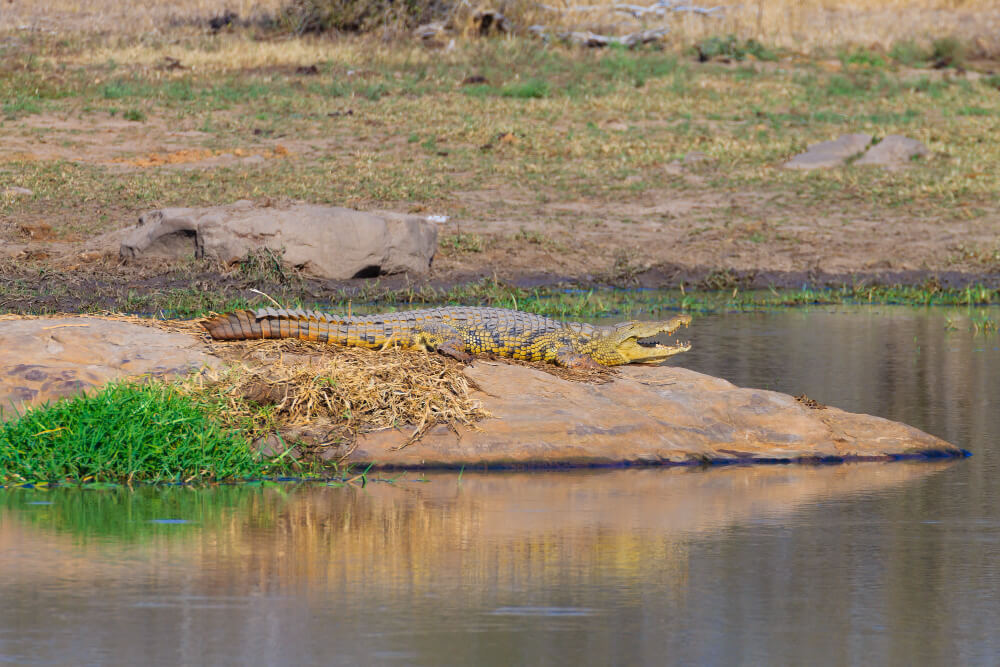
One of the park’s most iconic features is the Kazinga Channel, a natural waterway that connects Lake Edward and Lake George. The channel is home to one of the largest concentrations of hippos in Africa, along with a healthy population of Nile crocodiles. Taking a boat cruise along the Kazinga Channel offers an up-close look at these massive animals as they lounge in the water or bask on the riverbanks.

The boat cruise also provides excellent opportunities for birdwatching, as the channel attracts a wide variety of bird species, including African fish eagles, kingfishers, pelicans, and flamingos.

Explore the Wonders

Primate Encounters in the Kyambura Gorge

For those interested in primates, a visit to the Kyambura Gorge, also known as the “Valley of Apes,” is a must. This lush, tropical forest is home to a small population of chimpanzees, and visitors can participate in chimpanzee trekking to observe these fascinating creatures in their natural habitat.

The trek through the gorge is a scenic adventure in itself, as the trail winds through dense forest, over rivers, and past waterfalls. The experience of seeing chimpanzees swinging through the trees or hearing their calls echo through the gorge is one of the most memorable activities in Queen Elizabeth National Park.

Birdwatching Paradise: Over 600 Bird Species

Queen Elizabeth National Park is a paradise for birdwatchers, boasting one of the highest diversity of bird species in Africa. With over 600 recorded species, the park is an essential destination for both novice and experienced birders.

Some of the park’s birding highlights include:

  • African fish eagle: Often seen perched along the Kazinga Channel, scanning the water for fish.
  • Shoebill stork: A rare and prehistoric-looking bird that can sometimes be spotted in the park’s wetlands.
  • Malachite kingfisher: Known for its bright colors, this small bird is frequently seen near water sources.
  • Lesser flamingo: Large flocks of flamingos can be found around the park’s salt lakes, creating stunning displays of color.

Birding safaris in Queen Elizabeth National Park offer the chance to see a wide variety of species, from waterbirds along the Kazinga Channel to forest birds in the Maramagambo Forest.

Scenic Wonders: Crater Lakes and Volcanic Landscapes

In addition to its wildlife, Queen Elizabeth National Park is renowned for its striking volcanic landscapes, particularly its numerous crater lakes and the Katwe Explosion Crater. These craters were formed by volcanic activity millions of years ago and now provide stunning views and unique ecosystems.

Exploring the Crater Lakes

A visit to the park’s crater lakes is a must for anyone interested in geology and breathtaking scenery. The Katwe Crater Lake is the most famous, known for its salt mining and beautiful views of the surrounding landscape. Visitors can also explore the Bunyaruguru Crater Field, home to over 20 crater lakes, many of which are surrounded by lush vegetation and teeming with birdlife.(Explore the Wonders)

The crater lakes offer a serene contrast to the park’s open savannahs, and they provide a peaceful setting for picnics, photography, and birdwatching.

Ishasha Plains: A Savannah Wonderland

The Ishasha Plains, located in the southern part of the park, are not only famous for their tree-climbing lions but also for their wide-open landscapes, which are perfect for game viewing. The plains are home to topi antelope, buffaloes, and large herds of Uganda kobs, often seen grazing in the golden grass. The open terrain makes this area particularly good for spotting wildlife from a distance, and the light here is often perfect for photography.

Top Activities in Queen Elizabeth National Park

There’s no shortage of activities to enjoy in Queen Elizabeth National Park, from wildlife safaris and boat cruises to hiking and cultural experiences. Here are some of the top activities to include in your itinerary:

1. Game Drives

Game drives are the best way to explore the park’s diverse habitats and see its wildlife up close. The park is divided into several game drive areas, including Kasenyi Plains, Mweya Peninsula, and the Ishasha sector. Early morning and late afternoon drives are the best times to spot predators like lions and leopards, as well as large herds of elephants, buffaloes, and antelopes.

2. Kazinga Channel Boat Cruise

A boat cruise along the Kazinga Channel is one of the park’s most popular activities. The cruise provides close encounters with hippos, crocodiles, and waterbirds, as well as great views of elephants and buffaloes coming to the water’s edge to drink. The two-hour boat trip is both relaxing and informative, offering insights into the park’s ecology and wildlife.

3. Chimpanzee Trekking in Kyambura Gorge

Chimpanzee trekking in the Kyambura Gorge is a unique opportunity to see one of our closest relatives in their natural habitat. The gorge’s dense tropical forest is home to a small group of habituated chimpanzees, and tracking them through the forest is a thrilling adventure. In addition to chimpanzees, the gorge is also home to other primates, including red-tailed monkeys and black-and-white colobus monkeys.

4. Birdwatching Safaris

For bird lovers, a dedicated birdwatching safari is a must. The park’s wetlands, lakes, and forests provide the perfect habitats for a wide variety of species, from waterbirds to raptors. Whether you’re cruising along the Kazinga Channel or exploring the crater lakes, you’ll have plenty of opportunities to spot both common and rare birds.

5. Cultural Encounters

Queen Elizabeth National Park is surrounded by local communities with rich cultural traditions. Visitors can participate in cultural tours to learn about the daily lives of the Bakonzo and Banyaruguru people, experience traditional music and dance, and visit local craft markets.

Best Time to Visit Queen Elizabeth National Park

The best time to visit Queen Elizabeth National Park is during the dry seasons, from June to September and December to February. During these months, the weather is more favorable for game drives and other outdoor activities, and wildlife is easier to spot as animals gather around water sources.

The park can also be visited during the wet seasons (March to May and October to November), but the rain can make some roads difficult to navigate, and wildlife is more dispersed.

FAQs(Explore the Wonders)

What animals can I see in Queen Elizabeth National Park?
You can expect to see elephants, lions, leopards, buffaloes, and hippos, as well as chimpanzees in the Kyambura Gorge and hundreds of bird species across the park.

When is the best time to visit Queen Elizabeth National Park?
The best time to visit is during the dry seasons (June to September and December to February), when wildlife viewing is at its best.

What is the Kazinga Channel known for?
The Kazinga Channel is known for its large populations of hippos, crocodiles, and waterbirds, as well as excellent wildlife viewing opportunities along its shores.

Can I see tree-climbing lions in Queen Elizabeth National Park?
Yes, the Ishasha sector of the park is famous for its tree-climbing lions, a rare behavior seen in only a few places in Africa.(Explore the Wonders)

How difficult is chimpanzee trekking in the Kyambura Gorge?
Chimpanzee trekking in the Kyambura Gorge can be moderately challenging, as the terrain is steep and the forest is dense. However, it is a rewarding experience for wildlife lovers.

Queen Elizabeth National Park is a wildlife wonderland that offers a perfect blend of adventure, discovery, and relaxation in the heart of Uganda’s wilderness. Whether you’re tracking tree-climbing lions, cruising along the Kazinga Channel, or trekking through the Kyambura Gorge in search of chimpanzees, every moment in the park reveals new wonders. With its rich biodiversity, breathtaking landscapes, and unique wildlife encounters, Queen Elizabeth National Park is a must-visit destination for anyone looking to explore the natural beauty of East Africa.(Explore the Wonders)

Categories
featured

Unveiling the Biodiversity of Volcanoes National Park

Volcanoes National Park, nestled in the northwest of Rwanda, is a treasure trove of biodiversity, boasting a unique array of ecosystems and wildlife found nowhere else on Earth. Famous for its thriving population of mountain gorillas, this remarkable park also supports a vast range of flora and fauna, from the golden monkeys that swing through the treetops to the rich birdlife that fills the air with song. The dramatic volcanic landscape, dense rainforests, and mist-covered mountains make Volcanoes National Park a must-visit destination for anyone passionate about nature and wildlife.

In this guide, we’ll explore the fascinating biodiversity of Volcanoes National Park, uncover the wildlife that calls it home, and highlight the best ways to experience this incredible environment firsthand.

An Introduction to Volcanoes National Park

Volcanoes National Park spans over 160 square kilometers (62 square miles) in Rwanda’s Virunga Mountains, part of the Albertine Rift that extends through Uganda and the Democratic Republic of Congo. It is one of the oldest national parks in Africa, established in 1925 as a sanctuary for mountain gorillas, and is now one of the most important conservation areas for this endangered species. The park is home to five of the eight volcanoes in the Virunga Mountain range: Karisimbi, Bisoke, Muhabura, Gahinga, and Sabyinyo, each contributing to the park’s striking volcanic landscape.

The park’s altitude ranges from 2,400 to 4,507 meters (7,900 to 14,787 feet), resulting in a variety of habitats, from bamboo forests to montane forests and alpine meadows. These ecosystems support an extraordinary range of species, making Volcanoes National Park one of the most biodiverse places in the world.

Mountain Gorillas: The Crown Jewel of Volcanoes National Park

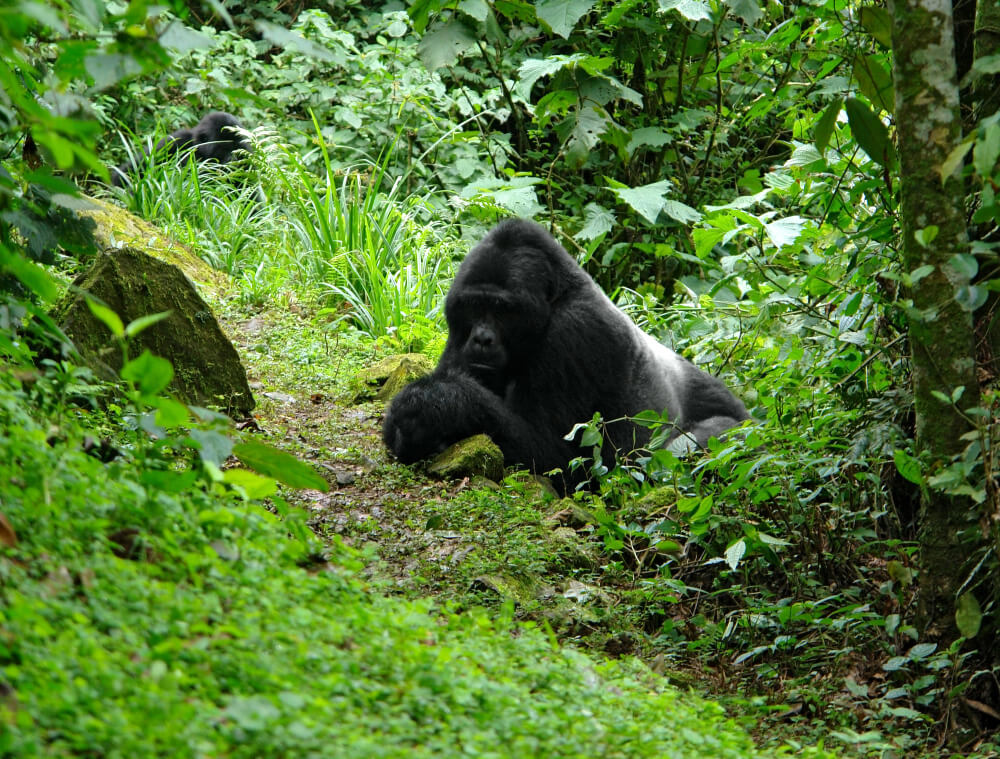
The most famous residents of Volcanoes National Park are undoubtedly the mountain gorillas, an endangered species that has captured the hearts of wildlife enthusiasts worldwide. The park is home to roughly one-third of the world’s remaining mountain gorillas, with the rest found in Uganda’s Bwindi Impenetrable Forest and DR Congo’s Virunga National Park.

Gorilla Trekking: A Life-Changing Experience

One of the most sought-after wildlife experiences in the world is gorilla trekking, where visitors hike through the dense forests of Volcanoes National Park to observe these magnificent creatures in their natural habitat. Gorilla trekking is a challenging but deeply rewarding adventure, as it involves hiking through rugged terrain and steep slopes before reaching a family of gorillas.

Once you encounter the gorillas, you’ll spend an hour observing them as they go about their daily lives—feeding, playing, grooming, and sometimes curiously interacting with human visitors. The experience is truly life-changing, offering a rare and intimate glimpse into the world of these gentle giants.

Gorilla Conservation in Volcanoes National Park

Thanks to conservation efforts led by organizations like the Dian Fossey Gorilla Fund International, the population of mountain gorillas has slowly been recovering. Gorilla trekking permits in Rwanda are strictly limited to protect the animals and minimize the human impact on their environment. By participating in a gorilla trek, you are contributing to the conservation of these incredible animals and helping to ensure their survival for future generations.

Golden Monkeys: A Rare Primate Encounter

While mountain gorillas are the stars of Volcanoes National Park, the park is also home to another rare primate species—the golden monkey. These playful, inquisitive monkeys are endemic to the Virunga Mountains and are known for their striking golden-orange fur and lively personalities.

Golden Monkey Trekking

Golden monkey trekking is a fantastic complement to gorilla trekking, offering a different kind of primate encounter. Visitors hike through the bamboo forests at the base of the volcanoes to track the monkeys, and unlike gorillas, golden monkeys are more active and easier to spot in the trees. Their playful antics and sociable nature make for an exciting and photogenic wildlife experience.

Other Wildlife in Volcanoes National Park

In addition to its primates, Volcanoes National Park is home to a wealth of other wildlife, making it a rich environment for nature lovers and wildlife photographers. While the elusive nature of many species means sightings are rare, the park is home to forest elephants, buffaloes, bushbucks, and even leopards. Smaller mammals, such as hyraxes, duikers, and genets, are also found throughout the park’s forests and grasslands.

Birdlife in Volcanoes National Park

For bird enthusiasts, Volcanoes National Park is a paradise, with over 200 bird species recorded in the park. The Albertine Rift is known for its high levels of bird endemism, and the park is home to many of these endemic species, making it an important site for bird conservation.

Some of the most notable bird species include:

  • Ruwenzori turaco: A striking bird with vibrant green, blue, and red plumage, often seen in the montane forests.
  • Ruwenzori double-collared sunbird: A colorful, nectar-feeding bird found in the park’s alpine meadows.
  • Handsome francolin: A shy ground-dwelling bird that can be spotted in the park’s dense forests.
  • Grauer’s swamp warbler: An endangered species that thrives in the swampy areas of the park.

Whether you’re a dedicated birder or just enjoy spotting colorful species in the wild, the birdlife of Volcanoes National Park adds another layer of richness to your wildlife experience.

Flora and Ecosystems of Volcanoes National Park

The biodiversity of Volcanoes National Park is not limited to its wildlife; the park’s vegetation is equally fascinating and varied. The park’s elevation and volcanic soils create a range of ecosystems, each with its own unique flora.

Bamboo Forests

The lower elevations of the park (around 2,500 to 3,000 meters) are dominated by bamboo forests, which are crucial for the survival of the golden monkeys and are also frequented by mountain gorillas. The dense bamboo thickets create a serene, green environment that is both visually stunning and ecologically important.

Hagenia-Hypericum Forests

As you ascend higher, you’ll enter the Hagenia-Hypericum zone, where towering trees draped in moss create a mystical forest. This habitat is home to a variety of bird species and provides cover for large mammals like buffaloes and elephants.

Afro-Alpine Meadows

At the highest elevations (above 3,500 meters), the park transitions into afro-alpine meadows, characterized by giant lobelias, senecios, and heathers. These high-altitude zones are some of the most unique ecosystems in East Africa, supporting specialized plant and animal species that have adapted to the harsh conditions.

Top Activities in Volcanoes National Park

Beyond its wildlife, Volcanoes National Park offers a range of activities that allow visitors to fully immerse themselves in the park’s natural beauty and biodiversity.

1. Gorilla Trekking

Gorilla trekking is the park’s most famous activity, drawing visitors from around the world to observe the mountain gorillas in their natural habitat. Treks typically last between 2 to 6 hours, depending on the location of the gorilla family you’re assigned to. It’s a physically demanding but incredibly rewarding experience.

2. Golden Monkey Trekking

Golden monkey trekking offers a more active and energetic primate encounter, as these lively monkeys are constantly on the move through the bamboo forests. The trek is usually shorter than gorilla trekking and provides fantastic opportunities for photography.

3. Dian Fossey Hike

For those interested in conservation history, the Dian Fossey Hike is a must-do. This trek takes you to the former research site and burial place of Dian Fossey, the legendary primatologist whose work with mountain gorillas helped bring international attention to their conservation. Along the hike, you’ll also enjoy beautiful views of the surrounding volcanoes and forests.

4. Climbing Mount Bisoke

For adventure seekers, climbing Mount Bisoke (3,711 meters) offers a challenging but rewarding hike. The trail takes you through dense forest, bamboo thickets, and alpine meadows before reaching the summit, where you’ll be greeted by a stunning crater lake and panoramic views of the Virunga Mountains.

Best Time to Visit Volcanoes National Park

The best time to visit Volcanoes National Park for wildlife viewing is during the dry seasons, which run from June to September and December to February. During these months, the weather is cooler, and the trails are easier to navigate. However, the park’s altitude means it can experience rain at any time of year, so it’s important to be prepared for varying weather conditions.

Wildlife Conservation in Volcanoes National Park

Conservation is at the heart of everything that happens in Volcanoes National Park. The protection of the mountain gorillas, in particular, has been a conservation success story, with the population gradually increasing thanks to the efforts of park authorities, international organizations, and local communities.

Visitors to the park play an important role in these conservation efforts. The revenue generated from gorilla trekking permits is reinvested into the park, supporting both the protection of wildlife and the development of local communities. This approach ensures that conservation and tourism work hand-in-hand to secure the future of Volcanoes National Park and its incredible biodiversity.

FAQs

What wildlife can I expect to see in Volcanoes National Park?
In addition to mountain gorillas and golden monkeys, the park is home to a variety of wildlife, including forest elephants, buffaloes, and a wide array of bird species.

When is the best time to visit Volcanoes National Park?
The best time to visit is during the dry seasons (June to September and December to February), when the weather is cooler, and the trails are more accessible.

How difficult is gorilla trekking in Volcanoes National Park?
Gorilla trekking can be challenging, as it involves hiking through steep, uneven terrain in the forest. However, the experience is deeply rewarding, and the physical effort is well worth the chance to see mountain gorillas up close.

How many gorilla families can be visited in Volcanoes National Park?
The park has several habituated gorilla families that visitors can trek to see. Gorilla trekking permits are limited to protect the animals, so it’s important to book in advance.

What other activities can I do in Volcanoes National Park?
In addition to gorilla trekking, you can go golden monkey trekking, hike to Dian Fossey’s research site, or climb Mount Bisoke for an adventure-filled day.

Volcanoes National Park is a place of extraordinary natural beauty and biodiversity, where every corner of the forest holds a new discovery. From the awe-inspiring mountain gorillas to the lively golden monkeys and the park’s rich birdlife, the wildlife of Volcanoes National Park offers unforgettable encounters for nature lovers and adventurers alike. Whether you’re trekking through bamboo forests, scaling volcanic peaks, or simply taking in the sights and sounds of the forest, a visit to this iconic park will leave you with memories that will last a lifetime.

Categories
featured

Serengeti National Park: A Wildlife Photographer’s Paradise

For wildlife photographers, Serengeti National Park is nothing short of a dream come true. With its sprawling landscapes, iconic wildlife, and ever-changing light, the Serengeti offers a breathtaking canvas that attracts photographers from around the globe. Whether you’re capturing the raw intensity of the Great Migration, the stealthy elegance of a stalking lioness, or the serene beauty of a sunset over the savannah, the Serengeti provides endless opportunities for stunning shots.(Wildlife Photographer’s Paradise)

In this guide, we’ll explore why Serengeti National Park is a wildlife photographer’s paradise, the best spots and times for photography, and tips to help you capture the most unforgettable moments on your safari.

Why Serengeti National Park is a Photographer’s Dream

Serengeti National Park covers nearly 15,000 square kilometers (5,700 square miles) of diverse habitats, including expansive grasslands, acacia woodlands, kopjes (rocky outcrops), and riverine forests. This variety of landscapes not only provides rich backgrounds for wildlife photography but also supports an incredible diversity of animals, making it one of the best places in Africa for capturing iconic wildlife images.

From the open plains where herds of wildebeest, zebras, and gazelles roam freely, to the hidden corners where leopards and lions prowl, the Serengeti is filled with photographic opportunities at every turn. And when you add the magical golden light of an African sunrise or sunset, it’s no wonder the Serengeti has become a favorite destination for both professional and amateur photographers alike.(Wildlife Photographer’s Paradise)

Diverse Wildlife Encounters

The Serengeti’s rich biodiversity means that wildlife photographers have a chance to capture some of Africa’s most iconic animals in their natural environment. The park is home to the Big Fivelions, leopards, elephants, buffaloes, and rhinos—as well as other photogenic species like cheetahs, giraffes, zebras, and hippos. Whether you’re zooming in on the intense stare of a predator or framing a herd of elephants silhouetted against the sunset, the Serengeti’s wildlife will provide you with captivating subjects throughout your trip.

Endless Horizons and Dramatic Skies

The Serengeti’s open plains create stunning compositions with their endless horizons, where animals appear as tiny dots in a vast, sweeping landscape. These expansive views, combined with the ever-changing skies, allow for dramatic photography, particularly during sunrise and sunset. The intense colors and shifting clouds often create the perfect backdrop for silhouette shots, making it easy to produce striking images even in low light.

The Great Migration: Nature’s Greatest Show

The Great Migration, one of the world’s most remarkable wildlife events, is the crown jewel for wildlife photographers visiting the Serengeti. Each year, over 1.5 million wildebeests, accompanied by hundreds of thousands of zebras and gazelles, embark on a journey across the plains in search of greener pastures. This massive movement of animals creates opportunities for dynamic and dramatic photographs, particularly during the river crossings, where wildebeests and zebras risk their lives to cross crocodile-infested waters.(Wildlife Photographer’s Paradise)

Capturing the chaos and intensity of a river crossing is an experience like no other, with the sheer number of animals, the dust rising from their hooves, and the tension of predators lurking nearby. It’s the kind of photographic opportunity that every wildlife photographer dreams of.

Best Times and Locations for Photography in the Serengeti

Timing is everything when it comes to wildlife photography, and the Serengeti offers excellent opportunities throughout the year. However, certain times and locations stand out for photographers seeking to capture the park’s most iconic images.

Best Time for Photography: Golden Hours and Migration Season

The best time for wildlife photography in the Serengeti is during the golden hours—early morning just after sunrise and late afternoon before sunset. During these times, the soft, warm light bathes the landscape, casting long shadows and creating a golden glow that enhances the beauty of your images.

For those interested in photographing the Great Migration, the best time to visit is between July and October, when the herds are crossing the Mara and Grumeti Rivers in the northern Serengeti. The drama of the river crossings and the abundance of wildlife make this period ideal for capturing action-packed shots.

If you’re more interested in predator activity and calving season, the southern Serengeti and Ndutu region are prime locations between December and March, when thousands of wildebeest calves are born, attracting predators such as lions, leopards, and hyenas.

Iconic Photography Locations in the Serengeti

The Serengeti offers numerous locations that are ideal for photographers, each with its own unique scenery and wildlife.

  • Central Serengeti (Seronera): Known for its high concentration of predators, the Seronera region is a favorite spot for photographers looking to capture big cats like lions and leopards. The mix of grasslands and riverine forests provides a rich diversity of photographic opportunities.
  • Northern Serengeti: The northern part of the Serengeti is where the dramatic river crossings take place during the Great Migration. This region offers incredible action shots as wildebeests and zebras cross the Mara River, often pursued by crocodiles.
  • Western Corridor: This area, along the Grumeti River, is another fantastic location during the migration season. The river attracts a wide variety of wildlife, making it a great place for photographing everything from elephants to hippos.
  • Southern Serengeti and Ndutu: During the calving season (December to March), the southern Serengeti and Ndutu region are ideal for capturing heartwarming moments of newborn wildebeests and zebras, as well as predators in action.

Kopjes: Unique Photographic Opportunities

The kopjes, or rocky outcrops scattered across the Serengeti, provide photographers with some of the most iconic backdrops in the park. These ancient granite formations are not only beautiful in their own right but also serve as resting spots for lions, leopards, and other predators. The sight of a lion pride lounging on a kopje under the African sun is a classic Serengeti image that every wildlife photographer aims to capture.

Wildlife Photographer's Paradise

Wildlife Photography Tips for Serengeti National Park

Capturing the best wildlife photos in the Serengeti requires preparation, patience, and a few key techniques. Here are some tips to help you get the most out of your photographic safari:

1. Bring the Right Equipment

Having the right gear is essential for wildlife photography in the Serengeti. A telephoto lens (200-400mm) is crucial for getting close-up shots of distant animals without disturbing them. A wide-angle lens is also useful for capturing the vast landscapes and dramatic skies. Don’t forget to bring extra batteries and memory cards—wildlife encounters can be fast and unpredictable, so it’s best to be prepared.

2. Shoot During Golden Hours

The best light for photography is during the golden hours—shortly after sunrise and just before sunset. The soft, warm light during these times creates a beautiful atmosphere that enhances your images. The midday sun can be harsh, so focus on portrait-style shots during this time or switch to backlit or silhouette photography.

3. Use Fast Shutter Speeds for Action Shots

Wildlife can move quickly, especially during the Great Migration or when predators are on the hunt. Using a fast shutter speed (1/1000s or faster) will help you capture sharp, detailed images of fast-moving subjects like running wildebeests, leaping predators, or birds in flight.

4. Patience is Key

Wildlife photography requires a lot of patience. Animals don’t always appear on command, and sometimes you may need to wait for hours for the perfect shot. However, the reward is worth the wait—capturing a rare moment, such as a lion hunt or a mother elephant with her calf, can make your entire safari unforgettable.

5. Focus on Storytelling

Some of the most powerful wildlife photos are those that tell a story. Whether it’s a mother lion protecting her cubs, a herd of elephants walking through the savannah, or the dramatic chaos of a river crossing, focus on capturing moments that convey emotion and narrative.

Best Wildlife Subjects for Photography in the Serengeti

The Serengeti offers an incredible array of wildlife subjects for photographers. Here are some of the best animals to focus on during your safari:

  • Lions: Whether they’re hunting, resting, or playing with their cubs, lions are one of the most photogenic animals in the Serengeti.
  • Leopards: These elusive cats are often seen lounging in trees, making for beautiful, serene images.
  • Cheetahs: Capture the speed and grace of cheetahs as they hunt on the open plains.
  • Elephants: Photographs of elephant herds moving through the landscape are iconic and convey the majesty of the Serengeti.
  • Wildebeests and Zebras: During the migration, these animals provide dynamic action shots as they traverse the plains and cross rivers.
  • Birds: From vultures and eagles to the colorful lilac-breasted roller, the Serengeti is home to over 500 bird species, offering ample opportunities for bird photography.

FAQs(Wildlife Photographer’s Paradise)

What is the best time to photograph the Great Migration?
The best time to capture the Great Migration is from July to October during the river crossings in the northern Serengeti. The calving season in the southern Serengeti (December to March) is also a great time for photography.

What camera gear should I bring for a Serengeti safari?
Bring a telephoto lens (200-400mm) for wildlife shots, a wide-angle lens for landscapes, and plenty of extra batteries and memory cards. A sturdy tripod or beanbag can also help stabilize your camera for sharper images.

Is it possible to do night photography in Serengeti National Park?
Some lodges and camps offer night game drives, which provide opportunities for night photography. You can capture nocturnal animals like lions and leopards hunting under the stars.

How long should I stay in Serengeti National Park for photography?
For the best wildlife photography experience, plan to stay in the Serengeti for at least 4-5 days. This gives you enough time to explore different regions of the park and capture a variety of wildlife encounters.

Serengeti National Park is a wildlife photographer’s paradise, offering breathtaking scenes of nature’s raw beauty at every turn. From the drama of the Great Migration to the intimate moments shared between predator and prey, the Serengeti provides endless opportunities for capturing unforgettable images. Whether you’re an amateur photographer or a seasoned professional, a safari in the Serengeti will leave you with a portfolio filled with stunning shots and memories of a lifetime.

Categories
featured

Iconic Wildlife Safaris in Serengeti National Park

A safari in Serengeti National Park is the quintessential African adventure, offering visitors the chance to witness the Great Migration, encounter the Big Five, and explore some of the most breathtaking landscapes on Earth. Located in northern Tanzania, Serengeti National Park is one of the most famous wildlife reserves in the world, celebrated for its incredible biodiversity and endless, undulating plains. Whether you’re drawn to the dramatic predator-prey dynamics, the stunning scenery, or the rich culture of the surrounding areas, Serengeti promises an unforgettable safari experience.(Wildlife Safaris in Serengeti)

In this guide, we’ll dive into what makes a Serengeti safari so iconic, from its world-famous wildlife to the must-do activities that will make your adventure truly memorable.

Serengeti National Park: An Overview

Serengeti National Park spans nearly 15,000 square kilometers (5,700 square miles), making it one of the largest and most biologically diverse parks in Africa. It forms part of the greater Serengeti-Mara Ecosystem, which extends into Kenya’s Maasai Mara. This vast area is characterized by open plains, acacia woodlands, kopjes (rocky outcrops), and riverine forests, all of which provide habitats for a wide range of wildlife.

The park is perhaps best known for the Great Migration, a natural event where over 1.5 million wildebeest, along with hundreds of thousands of zebras and gazelles, make an annual journey across the plains in search of fresh grazing. Alongside this spectacle, Serengeti is home to Africa’s iconic Big Fivelions, leopards, elephants, buffaloes, and rhinos—as well as numerous other species, from towering giraffes to stealthy cheetahs.

The Great Migration: A Serengeti Wonder

The Great Migration is one of the most extraordinary wildlife phenomena on the planet, often called “the greatest wildlife show on Earth.” It is a continuous cycle that sees millions of wildebeest, zebras, and gazelles traverse the Serengeti in search of food and water. This natural spectacle is driven by rainfall and the changing seasons, with the herds moving between the Serengeti in Tanzania and the Maasai Mara in Kenya.(Wildlife Safaris in Serengeti)

Highlights of the Great Migration

The most dramatic and sought-after moments of the migration occur during the river crossings, particularly at the Mara and Grumeti Rivers, where the herds must face dangerous, crocodile-infested waters. Watching wildebeest and zebras bravely leap into the river, with predators lurking nearby, is a heart-pounding experience. These river crossings typically happen between July and October and are considered one of the highlights of any Serengeti safari.

The migration also brings heightened predator activity, as lions, hyenas, and cheetahs follow the herds, hunting vulnerable animals. This period is a golden opportunity for wildlife photographers, offering the chance to capture action-packed moments of predator-prey interactions.

Best Time to Witness the Great Migration

The Great Migration can be witnessed throughout the year, but the specific events change depending on the season:

  • December to March: Calving season in the southern Serengeti and Ndutu region, with thousands of newborn wildebeest and heightened predator activity.
  • April to June: The herds begin moving north towards the central and western Serengeti.
  • July to October: River crossings at the Mara and Grumeti Rivers, with intense wildlife action in the northern Serengeti.
  • November: The herds return to the southern Serengeti to begin the cycle again.(Wildlife Safaris in Serengeti)

Iconic Wildlife of Serengeti National Park

Beyond the Great Migration, Serengeti National Park is renowned for its rich variety of wildlife, making it one of the best places in Africa for game viewing. The park is home to an incredible range of species, from the mighty Big Five to smaller, yet equally fascinating, animals like warthogs, hyenas, and jackals.

The Big Five and Other Key Species

Serengeti National Park is one of the few places where you can see the Big Fivelions, leopards, elephants, buffaloes, and rhinos—in their natural habitat. In addition to these iconic animals, the park offers many opportunities to see other fascinating species up close.

  • Lions: Serengeti is famous for its large lion prides, often seen lounging on the kopjes or stalking prey across the plains. Lions in the Serengeti are particularly active during the migration, as they hunt the wildebeest herds.
  • Leopards: These elusive cats are often spotted in the Serengeti’s riverine forests, where they prefer to lounge in trees or stalk prey under the cover of vegetation.
  • Elephants: Elephants are frequently seen roaming the park, particularly in the woodlands and near water sources. Their presence is awe-inspiring, especially when large herds move across the landscape.
  • Cheetahs: Serengeti is one of the best places to spot cheetahs, which are often seen hunting on the open plains. These graceful predators are known for their incredible speed, making them a highlight of any safari.
  • Giraffes: The park is home to large populations of giraffes, often seen gracefully browsing on acacia trees. Their elegant movements across the landscape add to the park’s beauty.

In addition to these larger animals, Serengeti’s rivers and wetlands are home to hippos and Nile crocodiles, making riverbanks a hotspot for wildlife viewing.(Wildlife Safaris in Serengeti)

Birdlife in Serengeti National Park

For bird lovers, Serengeti offers a wealth of birdwatching opportunities, with over 500 species recorded in the park. Whether you’re exploring the grasslands, woodlands, or riverbanks, you’ll encounter a diverse range of birdlife, including:

  • Grey crowned crane: The national bird of Uganda, often seen in the Serengeti’s wetlands.
  • Lilac-breasted roller: Known for its vibrant colors, this bird is frequently spotted perching on branches.
  • Secretary bird: A distinctive bird of prey often seen striding across the plains in search of snakes and small mammals.
  • Ostriches: The world’s largest bird is commonly seen in the Serengeti, particularly in the open grasslands.

The Serengeti’s rich birdlife adds an extra layer of excitement for nature enthusiasts, offering plenty of opportunities to spot rare and beautiful species.

Top Safari Activities in Serengeti National Park

A safari in Serengeti National Park isn’t just about wildlife viewing—it’s about immersing yourself in the landscape, culture, and thrilling adventures that make this part of Africa so unique.

Wildlife Safaris in Serengeti

1. Game Drives in Serengeti National Park

Game drives are the backbone of any Serengeti safari, offering you the chance to explore the park’s vast landscapes and get up close to its wildlife. Whether you’re tracking a pride of lions or watching elephants graze in the woodlands, game drives provide endless opportunities for unforgettable wildlife encounters.

Most game drives take place in the early morning or late afternoon, when the animals are most active. The central Seronera region is known for its high density of predators, making it a prime location for those looking to see lions, leopards, and cheetahs in action.

2. Hot Air Balloon Safaris

For a unique perspective on the Serengeti, a hot air balloon safari is a must. Floating silently above the plains at dawn, you’ll witness the sun rising over the endless savannah, with herds of animals moving below. Whether you’re flying over the migration herds or spotting predators from the air, a hot air balloon safari offers an unforgettable way to experience the Serengeti.

At the end of the flight, you’ll typically enjoy a champagne breakfast in the bush, adding a touch of luxury to your adventure.

3. Walking Safaris

For those looking to get even closer to nature, walking safaris are an excellent way to explore the Serengeti’s lesser-known areas. Led by expert guides, these walks take you off the beaten path, allowing you to observe the smaller details of the landscape, such as animal tracks, plants, and insects. Walking safaris are also a great way to learn about the ecosystem and experience the Serengeti from a new perspective.

4. Cultural Visits to Maasai Villages

A visit to a Maasai village is a cultural highlight of any Serengeti safari. The Maasai are an indigenous group known for their distinctive dress, beadwork, and cattle-herding traditions. During a village visit, you’ll have the chance to interact with the Maasai people, learn about their way of life, and witness traditional dances and rituals. It’s a unique opportunity to connect with Tanzania’s rich cultural heritage.

Best Time to Visit Serengeti National Park

Serengeti National Park offers incredible wildlife viewing year-round, but the best time to visit depends on what you want to experience.

  • December to March: This is the calving season in the southern Serengeti, where thousands of wildebeest calves are born. It’s a great time to see predators in action as they hunt the vulnerable newborns.
  • April to June: The migration moves north, with great game viewing in the central and western Serengeti.
  • July to October: This is the prime time to witness the Mara River crossings, one of the most dramatic events of the Great Migration.
  • November: The herds return to the southern plains, and the cycle begins again.

Where to Stay in Serengeti National Park

Serengeti National Park offers a wide range of accommodation options, from luxury lodges to budget-friendly camps. Whether you’re looking for a luxurious stay or a more rustic adventure, there are plenty of choices to suit your needs.

Luxury Lodges

For those seeking the ultimate safari experience, Singita Grumeti and Four Seasons Safari Lodge Serengeti offer world-class luxury in the heart of the wilderness. These lodges provide stunning views, top-tier service, and excellent wildlife viewing opportunities.

Mid-Range Tented Camps

For travelers seeking comfort without breaking the bank, there are plenty of mid-range tented camps such as Kubu Kubu Tented Camp and Serengeti Serena Safari Lodge. These camps offer a balance between luxury and adventure, with comfortable accommodations and guided safari activities.

Budget Campsites

If you’re traveling on a budget, there are several campsites and tented camps that offer a more rustic, yet still comfortable, safari experience. These camps allow you to sleep under the stars and hear the sounds of the African night while still enjoying guided game drives.

FAQs

What wildlife can I expect to see in Serengeti National Park?
In addition to the Big Five, you’ll have the chance to see cheetahs, giraffes, zebras, wildebeests, and a wide variety of other species, including hippos and Nile crocodiles.

When is the best time to see the Great Migration?
The best time to see the Great Migration is during the river crossings from July to October, though the herds are present year-round in different parts of the park.

How long should I stay in Serengeti National Park?
A typical Serengeti safari lasts between 3 to 5 days, giving you enough time to explore different regions of the park and fully immerse yourself in the wildlife experience.(Wildlife Safaris in Serengeti)

Is Serengeti National Park safe for visitors?
Yes, Serengeti National Park is considered safe for visitors, and safaris are conducted by experienced guides. Accommodations within the park take security measures seriously.

Can I combine a Serengeti safari with other parks in Tanzania?
Yes, many visitors combine a Serengeti safari with trips to Ngorongoro Crater, Tarangire National Park, and Lake Manyara for a more comprehensive wildlife experience.

A safari in Serengeti National Park is an iconic adventure that offers unforgettable encounters with Africa’s most famous wildlife. From the breathtaking Great Migration to the thrill of spotting big cats on the prowl, the Serengeti promises a safari experience like no other. Whether you’re exploring the park on game drives, floating above the plains in a hot air balloon, or learning about Maasai culture, a Serengeti safari will leave you with memories to last a lifetime.(Wildlife Safaris in Serengeti)

Categories
featured

Majestic Wildlife and Waterfalls: Murchison Falls National Park Adventures

Located in northwestern Uganda, Murchison Falls National Park is a land of breathtaking beauty, where the mighty Nile River creates one of the world’s most powerful waterfalls, and the vast savannah is teeming with majestic wildlife. From the awe-inspiring force of Murchison Falls to the rich biodiversity of the park, this safari destination offers a unique blend of adventure, scenic beauty, and unforgettable encounters with Africa’s iconic animals.

In this article, we will explore the top adventures you can experience in Murchison Falls National Park, including thrilling game drives, scenic boat cruises, and hiking to the top of the famous waterfall.

Introduction to Murchison Falls National Park

Murchison Falls National Park is Uganda’s largest national park, covering an area of 3,840 square kilometers (1,480 square miles). It forms part of the Murchison Falls Conservation Area, which also includes Bugungu Wildlife Reserve and Karuma Wildlife Reserve. The park is bisected by the Victoria Nile, a river that winds its way through the park and creates the dramatic Murchison Falls, where the river squeezes through a narrow 7-meter (23-foot) gorge and plunges 43 meters (141 feet) into the Nile below.

This park offers one of the most diverse safari experiences in Uganda, with a mix of savannah, wetlands, riverine forests, and woodlands. The varied landscape supports a wide range of wildlife, making Murchison Falls a must-visit for anyone looking to experience the beauty of African nature.

The Majestic Murchison Falls

At the heart of Murchison Falls National Park is its namesake waterfall, one of the most powerful natural forces in the world. The Murchison Falls are formed when the Victoria Nile is forced through a narrow rock crevice before crashing down into the river below with immense power. The roar of the falls, the mist in the air, and the sight of the river charging through the gorge create a sensory experience unlike any other.

Boat Cruise to the Base of Murchison Falls

One of the most popular ways to experience the falls is by taking a boat cruise along the Nile River. The boat trip typically starts at Paraa and takes about two hours to reach the base of the falls. As you cruise upriver, you’ll be treated to stunning views of the park’s wildlife, with animals like hippos, Nile crocodiles, and elephants frequently seen along the riverbanks. The cruise provides a unique perspective on the power and beauty of Murchison Falls, as you get close enough to feel the mist from the water crashing down.

Hiking to the Top of Murchison Falls

For a more adventurous experience, you can hike to the top of Murchison Falls. After disembarking from the boat at the base, you can take a guided hike that follows the river as it rages through the gorge. The trail offers several vantage points for viewing the falls and the surrounding landscape, and reaching the top is a rewarding experience with panoramic views of the Nile and the park.

At the top of the falls, you’ll be able to stand at the edge of the gorge and feel the raw power of the water as it tumbles through the narrow gap in the rocks. The combination of stunning views and the sheer force of nature make this hike one of the most thrilling activities in the park.

Wildlife Adventures in Murchison Falls National Park

While Murchison Falls itself is a major attraction, the park is also home to some of the most iconic animals in Africa. Murchison Falls National Park offers excellent opportunities for game drives, where you’ll have the chance to see elephants, lions, giraffes, buffaloes, leopards, and a variety of antelope species in their natural habitat.

The Big Five and More

Murchison Falls National Park is home to four of the Big Five animals: elephants, lions, leopards, and buffaloes. Rhinos are not present in the park, but you can see them at the nearby Ziwa Rhino Sanctuary, which is an ideal stop on your way to the park.

  • Elephants: The park is famous for its large herds of elephants, often seen grazing on the savannah or cooling off by the Nile River.
  • Lions: Lions are commonly spotted in the northern sector of the park, especially during early morning game drives.
  • Leopards: These elusive cats are present in the park, and while harder to spot, they are often seen lounging in trees or hunting at dusk.
  • Buffaloes: African buffaloes are abundant in Murchison Falls, frequently seen in large herds across the savannah.

In addition to these iconic species, the park is also home to Rothschild giraffes, which are endangered and can be seen wandering across the plains. Other animals you may encounter include warthogs, hippos, baboons, and various species of antelopes like kobs and waterbucks.

Game Drives in Murchison Falls National Park

Game drives in Murchison Falls are typically conducted in the northern sector of the park, where the open savannah provides excellent visibility for spotting wildlife. The best times for game drives are early in the morning and late in the afternoon, when the animals are most active. Your experienced guide will take you to the best spots for wildlife viewing, ensuring that you get the most out of your safari experience.

The park’s roads are well-maintained, making game drives accessible year-round, though the dry season (from December to February and June to September) offers the best conditions for wildlife viewing. During your game drive, you can expect to see herds of giraffes, buffaloes, and antelopes, as well as predators like lions and hyenas.

Boat Cruise to the Nile Delta

For bird lovers and those seeking even more wildlife encounters, a boat cruise to the Nile Delta is a fantastic adventure. The delta area, where the Victoria Nile meets Lake Albert, is home to a large population of hippos and crocodiles, as well as a wide variety of birds, including the rare and prehistoric-looking shoebill stork.

The delta cruise offers a more tranquil experience compared to the boat trip to the falls, and it provides an opportunity to see more of the park’s birdlife, including African fish eagles, Goliath herons, and pied kingfishers. The delta is a paradise for birdwatchers, with over 450 bird species recorded in the park.

Birdwatching in Murchison Falls National Park

Murchison Falls National Park is a top destination for birdwatching, with its diverse ecosystems providing habitats for hundreds of bird species. Whether you’re cruising along the Nile or exploring the park’s savannahs, you’ll have the chance to spot some of Africa’s most striking birds.

Among the park’s birding highlights are:

  • Shoebill stork: This rare and iconic bird is best spotted in the Nile Delta, where it hunts for fish in the wetlands.
  • Grey crowned crane: Uganda’s national bird, often seen in pairs or small groups.
  • Goliath heron: The world’s largest heron, frequently seen fishing along the Nile.
  • African fish eagle: This majestic raptor is commonly seen perched on trees overlooking the river.
  • Red-throated bee-eater: A colorful bird that can often be found near the riverbanks.

Whether you’re an avid birder or simply enjoy the sights and sounds of the African wilderness, Murchison Falls offers plenty of opportunities to appreciate its rich birdlife.

Best Time to Visit Murchison Falls National Park

Murchison Falls National Park can be visited year-round, but the best time for wildlife viewing is during the dry seasons (from December to February and June to September). During these months, the park’s wildlife is more concentrated around water sources, and the roads are easier to navigate. The dry season also offers better visibility, making it easier to spot animals on game drives.

The wet seasons (March to May and October to November) bring lush greenery to the park, and birdwatchers will find this period ideal for spotting migratory birds. However, the rains can make some roads muddy and difficult to traverse.

Where to Stay in Murchison Falls National Park

Murchison Falls National Park offers a range of accommodation options, from luxury lodges to budget-friendly camps. Whether you’re looking for a comfortable lodge with river views or a more rustic camping experience, there’s something for every traveler.

Luxury Lodges

For those seeking a luxurious experience, Paraa Safari Lodge and Baker’s Lodge offer top-tier amenities, stunning views of the Nile River, and guided safari activities. These lodges provide a high level of comfort while keeping you close to nature.

Mid-Range Lodges

For mid-range travelers, Pakuba Safari Lodge and Murchison River Lodge provide comfortable accommodations at a reasonable price. These lodges offer great locations near the park’s main attractions, and they are ideal for families and groups.

Budget Camps

If you’re traveling on a budget, Red Chilli Rest Camp is a popular choice. This camp offers affordable bandas (huts) and camping facilities, and it’s conveniently located for game drives and boat cruises.

FAQs

What wildlife can I expect to see in Murchison Falls National Park?
Expect to see elephants, lions, giraffes, buffaloes, hippos, Nile crocodiles, and a variety of antelopes. Leopards and hyenas are also present in the park, though they are more elusive.

When is the best time to visit Murchison Falls National Park?
The best time to visit is during the dry seasons (December to February and June to September), when wildlife is easier to spot, and the roads are more accessible.

Can I hike to the top of Murchison Falls?
Yes, after a boat cruise to the base of the falls, you can hike to the top of Murchison Falls for spectacular views of the waterfall and surrounding landscape.

Categories
featured

Ultimate Guide to Murchison Falls National Park Safaris

Murchison Falls National Park is Uganda’s largest and most popular national park, renowned for its stunning waterfalls, rich wildlife, and diverse ecosystems. A safari in Murchison Falls National Park offers a unique blend of thrilling game drives, scenic boat cruises, and breathtaking views of the Nile River as it surges through a narrow gorge to create the spectacular Murchison Falls.

In this ultimate guide, we’ll take you through everything you need to know about planning a safari to Murchison Falls, including the best time to visit, must-see attractions, wildlife encounters, and insider tips to make the most of your adventure.

Introduction to Murchison Falls National Park

Murchison Falls National Park is located in northwestern Uganda, covering an area of about 3,840 square kilometers (1,480 square miles). The park is part of the Murchison Falls Conservation Area, which also includes the adjacent Karuma and Bugungu wildlife reserves. The highlight of the park is Murchison Falls, where the Victoria Nile squeezes through a 7-meter (23-foot) gap in the rocks and plunges 43 meters (141 feet) into the Nile below, creating a dramatic and thunderous waterfall.

Beyond the falls, Murchison Falls National Park is a haven for wildlife enthusiasts, offering a wide variety of animals, including elephants, lions, giraffes, buffaloes, leopards, and numerous antelope species. The park is also home to one of Uganda’s largest populations of Nile crocodiles and hippos, which can be spotted on the famous boat cruises along the Nile.(Murchison Falls Park Safari)

How to Get to Murchison Falls National Park

Murchison Falls National Park is located about 300 kilometers (186 miles) from Uganda’s capital city, Kampala, and is accessible by road or air.

By Road

The most common way to reach Murchison Falls is by road, and the drive from Kampala takes approximately 5-6 hours, depending on traffic and road conditions. The route takes you through Uganda’s scenic countryside, with opportunities to pass through towns like Masindi before entering the park.

There are several entry gates to the park, with the Masindi and Kichumbanyobo gates being the most popular for visitors coming from Kampala. While the road to the park is mostly paved, once inside the park, expect dirt roads, especially during the game drives.

By Air

For those looking to save time, flying is an option. Domestic flights are available from Entebbe International Airport or Kajjansi Airfield to Pakuba Airstrip near Murchison Falls. Flights take about an hour, and upon landing, you can arrange for a transfer to your lodge or start your safari immediately.

Best Time to Visit Murchison Falls National Park

The best time to visit Murchison Falls National Park is during the dry seasons, which run from December to February and June to September. During these months, wildlife is easier to spot as animals gather around water sources, and the roads are less muddy, making game drives smoother.

The wet seasons (March to May and October to November) are also a great time to visit if you want to experience the park’s lush greenery and birdlife, though some roads may become challenging due to rain. Regardless of the season, Murchison Falls itself is a year-round spectacle, and the park’s diverse wildlife ensures that every visit is rewarding.

Top Activities in Murchison Falls National Park

A safari in Murchison Falls National Park offers a variety of exciting activities, from wildlife viewing to boat cruises and hikes to the falls. Here are the must-do activities when visiting the park:

1. Game Drives in Murchison Falls National Park

One of the highlights of any safari in Murchison Falls is the game drives, where you’ll have the chance to spot some of Africa’s most iconic wildlife. The park is divided by the Nile River into the northern and southern sectors, with the northern bank offering the best game-viewing opportunities due to its open savannah and larger wildlife populations.(Murchison Falls Park Safari)

What to Expect on Game Drives

During a typical game drive, you’ll set off early in the morning or late in the afternoon, when the animals are most active. The park is home to an impressive variety of animals, including:

  • Elephants: Murchison Falls has large elephant herds that can often be seen grazing in the grasslands or cooling off near the Nile.
  • Lions: The park’s lions are frequently spotted, especially in the northern sector. If you’re lucky, you might witness a lioness hunting or a pride resting under the shade.
  • Rothschild Giraffes: This endangered subspecies of giraffe is found in large numbers here, making Murchison Falls one of the best places to see them up close.
  • Leopards: Though elusive, leopards are present in the park, often seen lounging in trees during the heat of the day.
  • Buffaloes: Large herds of African buffalo roam the park, often seen near water sources.

In addition to the big mammals, expect to encounter warthogs, baboons, antelopes, and many species of birds. Birdwatchers will be thrilled to spot species like the grey crowned crane (Uganda’s national bird), shoebills, and African fish eagles.

2. Boat Cruise on the Nile River

One of the most popular activities in Murchison Falls is the boat cruise along the Nile River. These cruises offer a different perspective on the park’s wildlife and are particularly famous for their close encounters with Nile crocodiles and hippos. The standard boat trip takes you from Paraa to the base of Murchison Falls, where you can witness the sheer power of the falls from the water.

Wildlife Along the Nile

As you cruise along the Nile, you’ll see elephants, buffalos, waterbucks, and hippos congregating along the riverbanks. The Nile is also teeming with birdlife, including species like kingfishers, bee-eaters, and the rare shoebill stork. The cruise lasts about two hours, and the highlight is the view of Murchison Falls from the river’s edge, where the water thunders through the narrow gorge.

3. Hiking to the Top of Murchison Falls

For the more adventurous, a hike to the top of Murchison Falls is a must. After your boat cruise, you can disembark and take a guided hike to the top of the falls. The hike takes about 45 minutes and offers incredible views of the Nile as it crashes through the rocks below.

At the top of the falls, you’ll feel the raw power of the water as it forces its way through the narrow gap, creating a deafening roar and a misty spray. The views from the top are breathtaking, and you’ll have plenty of opportunities to take photos of the falls and the surrounding landscapes.

4. Visit to the Ziwa Rhino Sanctuary

On your way to or from Murchison Falls, consider a stop at the Ziwa Rhino Sanctuary, located about 3 hours from Kampala. This sanctuary is home to Uganda’s only wild white rhinos, which are being reintroduced after being poached to extinction in the 1980s. Visitors to the sanctuary can go on guided walks to see the rhinos up close in their natural habitat, making it a perfect complement to your safari.

5. Bird Watching in Murchison Falls

Murchison Falls National Park is a birdwatcher’s paradise, with over 450 recorded species. Whether you’re cruising the Nile or exploring the park on foot, you’ll encounter a wide range of birdlife, including:

  • Goliath herons
  • African jacanas
  • Martial eagles
  • Pied kingfishers
  • Red-throated bee-eaters

For those interested in spotting the rare shoebill stork, a boat cruise through the Nile’s delta region offers the best chance to see these prehistoric-looking birds.

Where to Stay in Murchison Falls National Park

Murchison Falls National Park offers a variety of accommodation options, ranging from luxury lodges to budget-friendly camps. Most lodges are located around the Para area, near the northern bank of the Nile, which is convenient for both game drives and boat cruises.

Luxury Lodges

For those seeking comfort and luxury, Paraa Safari Lodge and Baker’s Lodge are excellent options. These lodges offer well-appointed rooms, swimming pools, and stunning views of the Nile. They also provide top-notch service and guided safari activities.

Mid-Range Options

For travelers looking for mid-range accommodation, Pakuba Safari Lodge and Murchison River Lodge provide comfortable stays at reasonable prices. These lodges still offer game drives and boat cruises, ensuring you get the full safari experience.

Budget Accommodation

If you’re on a budget, consider staying at Red Chilli Rest Camp, which offers affordable bandas (huts) and camping facilities. It’s an excellent option for backpackers and those looking for a more rustic, adventurous experience.

Packing List for a Murchison Falls Safari

When packing for your Murchison Falls safari, it’s important to bring items that will keep you comfortable in Uganda’s tropical climate. Here are some essentials:

  • Light, breathable clothing: Neutral-colored clothes that blend in with the environment are ideal for game drives.
  • Comfortable walking shoes: Essential for hiking to the top of Murchison Falls and exploring the park on foot.
  • Sun protection: A wide-brimmed hat, sunglasses, and sunscreen are must-haves to protect yourself from the strong African sun.
  • Insect repellent: Murchison Falls is home to mosquitoes, especially around the Nile, so bring plenty of repellent.
  • Binoculars: To get a closer look at the animals and birds during game drives and boat cruises.
  • Camera: With plenty of memory cards to capture the stunning wildlife and landscapes.
  • Rain jacket: The park can experience sudden rain showers, especially during the wet season.

FAQs

What wildlife can I expect to see in Murchison Falls National Park?
Expect to see elephants, lions, giraffes, buffaloes, hippos, Nile crocodiles, and numerous antelope species. The park is also home to leopards, though they are more elusive.

When is the best time to visit Murchison Falls?
The dry seasons (December to February and June to September) are the best times for wildlife viewing, as animals congregate around water sources, and the roads are more navigable.

How do I get to Murchison Falls?
Murchison Falls is about a 5-6 hour drive from Kampala. Alternatively, you can fly from Entebbe International Airport to Pakuba Airstrip near the park.

Can I hike to the top of Murchison Falls?
Yes, after a boat cruise to the base of the falls, you can take a guided hike to the top of the falls for spectacular views of the Nile.

What is the Nile boat cruise like?
The boat cruise takes you along the Nile River, offering close-up views of hippos, crocodiles, and a variety of wildlife along the riverbanks. The cruise ends at the base of Murchison Falls, providing an incredible view of the waterfall.

Are there rhinos in Murchison Falls National Park?
No, rhinos are not found in Murchison Falls, but you can visit the Ziwa Rhino Sanctuary on your way to the park to see Uganda’s only wild rhinos.

A safari in Murchison Falls National Park is one of the most exciting and diverse wildlife experiences you can have in Uganda. From the thunderous falls to the vast savannahs teeming with wildlife, this park offers something for every nature lover. Whether you’re cruising down the Nile or tracking lions on a game drive, Murchison Falls provides endless opportunities for adventure, photography, and relaxation in the heart of Africa.

Categories
featured

Discover the Beauty of Murchison Falls National Park

Murchison Falls National Park is Uganda’s largest and most iconic safari destination, where the mighty Nile River surges through a narrow gorge to create the spectacular Murchison Falls. This stunning national park combines dramatic landscapes, diverse ecosystems, and a rich array of wildlife, making it one of East Africa’s premier safari destinations. From the thrilling sight of elephants roaming the savannah to the deafening roar of the falls themselves, Murchison Falls National Park offers an unforgettable blend of adventure and natural beauty.(Discover Murchison Falls)

In this guide, we’ll explore the highlights of the park, including its incredible wildlife, the majestic falls, and the best activities to enjoy on your visit.

An Introduction to Murchison Falls National Park

Located in northwestern Uganda, Murchison Falls National Park spans an area of approximately 3,840 square kilometers (1,480 square miles). It forms part of the Murchison Falls Conservation Area, which also includes the Bugungu and Karuma Wildlife Reserves. The park is bisected by the Victoria Nile, which flows through its heart, giving rise to the famous Murchison Falls—a place where the river is forced through a narrow 7-meter (23-foot) gap before crashing down 43 meters (141 feet) into the Nile’s plunge pool.

The park’s varied terrain includes open savannah, riverine forests, woodlands, and wetlands, creating a haven for a wide range of wildlife. Visitors can expect to see elephants, lions, giraffes, buffaloes, leopards, and many species of antelopes. The river itself is home to large populations of hippos and Nile crocodiles, while the park’s birdlife is equally impressive, with over 450 species recorded.

How to Reach Murchison Falls National Park

Murchison Falls National Park is located about 300 kilometers (186 miles) from Kampala, Uganda’s capital. The park is accessible by both road and air, making it easy for visitors to plan their trip.

By Road

The drive from Kampala to Murchison Falls National Park takes approximately 5-6 hours. Most visitors enter through the Masindi gate, which provides access to the southern part of the park. The road journey is scenic, passing through rural landscapes, villages, and lush countryside. Many visitors choose to make a stop at the Ziwa Rhino Sanctuary along the way, where you can track Uganda’s only wild white rhinos.(Discover Murchison Falls)

By Air

For those seeking a quicker route, domestic flights are available from Entebbe International Airport to Pakuba Airstrip, located near the northern section of the park. Flights take about one hour, and from the airstrip, it’s a short transfer to the park’s main attractions and lodges.

The Beauty of Murchison Falls

At the heart of Murchison Falls National Park lies its namesake waterfall, a natural wonder where the Victoria Nile squeezes through a narrow gorge before plunging into the turbulent waters below. The sight and sound of the falls are truly awe-inspiring, and they remain one of the most dramatic features in Uganda.

Boat Cruise to the Base of Murchison Falls

One of the most popular ways to experience the falls is by taking a boat cruise along the Nile River. This scenic trip, which typically starts at Paraa, takes you upriver to the base of the falls. Along the way, you’ll have the chance to spot wildlife such as hippos, crocodiles, and a variety of animals coming to drink at the riverbanks, including elephants, buffaloes, and antelopes.

The boat cruise provides excellent views of Murchison Falls from below, where you can feel the power of the water crashing through the gorge. This is also a great opportunity to take stunning photos of the falls and the surrounding wildlife.

Hiking to the Top of Murchison Falls

For those who enjoy more active pursuits, a hike to the top of Murchison Falls is highly recommended. After disembarking from the boat at the base of the falls, you can embark on a guided hike that takes about 45 minutes. The trail follows the river as it rushes through the gorge, offering spectacular views of the falls from different angles.

Reaching the top of the falls is an unforgettable experience, with panoramic views of the Nile as it funnels through the narrow chasm and crashes into the frothing pool below. The spray, roar, and mist of the falls create a sensory overload, making this a highlight of any visit to the park.

Wildlife of Murchison Falls National Park

Beyond its famous waterfall, Murchison Falls National Park is one of the best places in Uganda to see Africa’s iconic wildlife. The park’s northern section, in particular, offers excellent game viewing due to its open savannahs and easy access to the Nile’s riverbanks.

The Big Five and More

Murchison Falls National Park is home to four of the Big Five: elephants, lions, leopards, and buffaloes. Although rhinos are not found in the park (you’ll need to visit the Ziwa Rhino Sanctuary for that), the other Big Five species are frequently seen during game drives.

  • Elephants: The park is renowned for its large herds of elephants, often seen grazing across the savannah or congregating near the Nile to drink and bathe.
  • Lions: Lions are commonly spotted in the northern section, where they prey on the abundant herds of antelopes and buffaloes.
  • Leopards: Although elusive, leopards can sometimes be seen lounging in trees or stalking prey during the early morning or late afternoon.
  • Buffaloes: Large herds of African buffalo roam the park’s savannahs, often seen in the company of giraffes and other herbivores.

In addition to these species, the park is also home to Rothschild giraffes, a rare and endangered subspecies. Murchison Falls boasts one of the largest populations of these giraffes, making it a prime location for giraffe sightings.

Hippos and Crocodiles in the Nile

The Victoria Nile is the lifeblood of Murchison Falls National Park, and its waters teem with wildlife. Large pods of hippos are often seen wallowing in the river, while Nile crocodiles bask on the banks, waiting for an opportunity to strike at unsuspecting prey. These reptiles, along with the river’s abundance of birdlife, make the Nile an essential part of the park’s ecosystem.

Birdlife in Murchison Falls National Park

Murchison Falls National Park is a paradise for birdwatchers, with over 450 species of birds recorded in the park. The park’s diverse habitats—ranging from savannahs and forests to wetlands and riverbanks—support a wide variety of birdlife. Some of the park’s birding highlights include:

  • Grey crowned crane: Uganda’s national bird, often seen in pairs or small groups.
  • African fish eagle: A majestic raptor frequently spotted along the Nile.
  • Shoebill stork: A rare and prehistoric-looking bird, best seen in the Nile Delta area.
  • Goliath heron: The largest heron species, often seen near the river’s edge.
  • Red-throated bee-eater: A colorful bird commonly found along the riverbanks.

Whether you’re a dedicated birder or simply enjoy watching wildlife, Murchison Falls offers incredible opportunities to spot some of Africa’s most beautiful and rare birds.

Top Activities in Murchison Falls National Park

In addition to game drives and boat cruises, there are several other activities to enjoy during your visit to Murchison Falls National Park.

1. Game Drives in Murchison Falls National Park

Game drives are the best way to explore the park’s vast savannahs and discover its rich wildlife. The northern sector of the park, accessible by crossing the Nile at Paraa, offers the best game viewing, with opportunities to see elephants, lions, giraffes, buffaloes, and many more species.

Guided game drives are usually conducted early in the morning or late in the afternoon, when the animals are most active. The park’s open terrain makes it easy to spot wildlife, and your guide will take you to the best areas for sightings.

2. Boat Cruise to the Nile Delta

For bird lovers and those seeking even more wildlife encounters, a boat cruise to the Nile Delta is a fantastic option. This area is home to large concentrations of hippos, crocodiles, and waterbirds, including the rare shoebill stork. The cruise takes you through the delta region, where the Nile flows into Lake Albert, offering stunning views and excellent opportunities for photography.

3. Visit the Ziwa Rhino Sanctuary

On your way to Murchison Falls National Park, consider a stop at the Ziwa Rhino Sanctuary, located about 3 hours from Kampala. The sanctuary is home to Uganda’s only wild rhinos, which are being reintroduced after years of poaching decimated their population. Visitors can take guided walks to track the rhinos in their natural habitat, providing a unique and up-close wildlife experience.(Discover Murchison Falls)

Where to Stay in Murchison Falls National Park

Murchison Falls National Park offers a variety of accommodation options to suit different budgets and preferences. Whether you’re looking for a luxury lodge or a more budget-friendly camp, there are plenty of choices within and around the park.

Luxury Lodges

For those seeking comfort and luxury, Paraa Safari Lodge and Baker’s Lodge are among the top choices. These lodges offer beautiful views of the Nile, excellent service, and guided activities such as game drives and boat cruises.(Discover Murchison Falls)

Mid-Range Lodges

For mid-range travelers, Pakuba Safari Lodge and Murchison River Lodge provide comfortable and affordable options. These lodges are well-located near the park’s main attractions and offer a range of amenities.

Budget Camps

If you’re traveling on a budget, Red Chilli Rest Camp offers affordable accommodation, including bandas (huts) and camping facilities. This camp is popular with backpackers and adventure travelers and provides easy access to the park’s game drives and boat cruises.

FAQs(Discover Murchison Falls)

What wildlife can I expect to see in Murchison Falls National Park?
Expect to see elephants, lions, leopards, buffaloes, hippos, giraffes, and numerous antelope species. The park is also home to crocodiles and a rich variety of birdlife.

When is the best time to visit Murchison Falls?
The best time to visit is during the dry seasons (December to February and June to September), when wildlife is more concentrated around water sources and roads are easier to navigate.

Can I hike to the top of Murchison Falls?
Yes, you can hike to the top of Murchison Falls after a boat cruise. The hike takes about 45 minutes and offers incredible views of the waterfall and surrounding landscape.

How do I get to Murchison Falls National Park?
You can drive from Kampala, which takes about 5-6 hours, or fly from Entebbe International Airport to Pakuba Airstrip near the park.

Are there rhinos in Murchison Falls?
No, rhinos are not present in Murchison Falls National Park, but you can visit the Ziwa Rhino Sanctuary on your way to see Uganda’s only wild rhinos.

Murchison Falls National Park is a true gem of Uganda, combining breathtaking landscapes, abundant wildlife, and one of the most powerful waterfalls in the world. Whether you’re cruising along the Nile, hiking to the top of the falls, or spotting lions on a game drive, this park offers endless opportunities for adventure and exploration. Discover the beauty of Murchison Falls National Park, and experience one of East Africa’s most unforgettable safari destinations.

Categories
featured Tanzania Safari Uganda Safari

Gorilla Habituation in Bwindi: A Deeper Connection with Mountain Gorillas

Gorilla habituation in Bwindi Impenetrable Forest offers a unique and immersive experience for wildlife enthusiasts seeking a deeper connection with mountain gorillas. Unlike regular gorilla trekking, which allows for a one-hour visit, the habituation experience gives you the rare opportunity to spend up to four hours with a gorilla family as they become accustomed to human presence. This article provides essential tips for making the most of your gorilla habituation in Bwindi and ensuring a memorable adventure.

1. Understanding Gorilla Habituation

Gorilla habituation is the process of gradually acclimating wild gorillas to human observers. This intensive process can take several years and involves daily visits by researchers, trackers, and now, a limited number of tourists. The goal is to allow gorillas to feel comfortable around humans without altering their natural behavior.

In Bwindi Impenetrable Forest, the habituation experience is offered in the Rushaga and Nkuringo sectors, where you can join researchers and guides in observing and interacting with a gorilla family in the final stages of habituation.

2. Book Your Habituation Permit Early

One of the most important gorilla habituation Bwindi tips is to secure your permit well in advance. Permits for the habituation experience are more limited than regular trekking permits, with only a few issued each day. This exclusivity makes the experience even more special but also means that demand is high.

Permits for gorilla habituation in Bwindi cost $1,500 per person, reflecting the extended time and in-depth experience. Booking your permit at least 6 months in advance is recommended, especially if you plan to visit during the peak season from June to September.

3. Prepare for a Physically Demanding Trek

Gorilla habituation in Bwindi involves trekking through dense, mountainous terrain, often for several hours. The trails can be steep, muddy, and challenging, so physical preparation is crucial. Regular exercise, particularly hiking and stair climbing, will help build the stamina needed for this adventure.

Given the extended time spent with the gorillas, you’ll need to be prepared for a longer day in the forest compared to regular trekking. Hiring a porter to assist with carrying your gear is highly recommended, as it not only lightens your load but also supports the local community.

4. Dress for the Jungle Environment

Proper attire is key to a comfortable and successful gorilla habituation Bwindi experience. Here’s what you should wear:

  • Long-sleeved shirt and pants: Protects you from insect bites and thorny vegetation.
  • Sturdy hiking boots: Essential for navigating the uneven and often slippery terrain.
  • Rain jacket: Bwindi is a rainforest, and sudden downpours are common, so a lightweight, waterproof jacket is a must.
  • Gaiters: These will protect your lower legs from mud, water, and insects.
  • Hat and gloves: A hat shields you from the sun, while gloves can protect your hands as you move through the forest.

5. Pack the Essentials

When preparing for gorilla habituation Bwindi, packing the right gear is essential for your comfort and safety. Here’s a checklist of what to bring:

  • Daypack: A comfortable, small backpack to carry your essentials.
  • Water: Bring at least 2 liters to stay hydrated during the trek.
  • Snacks: Energy bars, nuts, and fruit to keep your energy up during the long trek.
  • Insect repellent: High-quality repellent to protect against mosquito bites.
  • Camera: Capture the incredible moments, but remember to turn off the flash to avoid disturbing the gorillas.
  • Binoculars: Useful for birdwatching and spotting other wildlife in the forest.

6. Follow the Guidelines and Respect the Gorillas

Respecting the rules set by park authorities is crucial to ensuring the safety of both visitors and gorillas. Here are some key gorilla habituation Bwindi guidelines to keep in mind:

  • Maintain a safe distance: Even during habituation, keep at least 7 meters (21 feet) away from the gorillas.
  • No flash photography: Flash can disturb the gorillas, so ensure your camera is set accordingly.
  • Stay calm and quiet: Speak softly and avoid sudden movements to keep the gorillas at ease.
  • Health precautions: If you’re feeling unwell, it’s best to skip the trek, as gorillas are susceptible to human diseases.

7. Learn from the Experts

One of the unique aspects of gorilla habituation Bwindi is the opportunity to learn from the experts—researchers and guides who have spent years studying and protecting these incredible animals. During the trek, you’ll gain insights into gorilla behavior, family dynamics, and the conservation efforts that are critical to their survival.

Ask questions, observe the researchers’ interactions with the gorillas, and take in the wealth of knowledge they share. This educational aspect of the habituation experience adds depth to your adventure, making it more than just a wildlife encounter.

8. Be Patient and Enjoy the Experience

Gorilla habituation is a slow and deliberate process, requiring patience and an understanding that the gorillas’ comfort is the top priority. Unlike regular treks, where you may find the gorillas quickly, habituation can involve longer periods of waiting as the gorillas go about their daily routines.

Embrace the experience as a rare opportunity to observe these magnificent creatures in an intimate and unhurried setting. The extended time with the gorillas allows you to witness a wider range of behaviors, from foraging and playing to grooming and socializing, offering a profound connection to their world.

Conclusion

The gorilla habituation Bwindi experience is a truly unique opportunity to engage with mountain gorillas in a way that few people ever do. By following these tips—securing your permit early, preparing physically, dressing appropriately, packing the right gear, and respecting the gorillas and their environment—you can ensure that your habituation adventure is safe, enriching, and unforgettable. Whether you’re a seasoned traveler or a first-time visitor to Uganda, gorilla habituation in Bwindi promises an extraordinary wildlife encounter that will stay with you for a lifetime.

Categories
featured Tanzania Safari Uganda Safari

Gorilla Trekking Tips: Your Guide to a Safe and Memorable Adventure

Gorilla trekking is one of the most exhilarating and awe-inspiring wildlife experiences available in East Africa. Whether you’re venturing into the dense jungles of Uganda, Rwanda, or the Democratic Republic of Congo, encountering mountain gorillas in their natural habitat is an adventure that requires careful preparation. Here are essential gorilla trekking tips to ensure your journey is both safe and unforgettable.

1. Choose the Right Destination

Gorilla trekking is primarily available in three East African countries: Uganda, Rwanda, and the Democratic Republic of Congo. Each destination offers a unique experience:

  • Uganda: Home to Bwindi Impenetrable Forest and Mgahinga Gorilla National Park, Uganda is renowned for its dense forests and high population of mountain gorillas.
  • Rwanda: The Volcanoes National Park in Rwanda is famous for its well-organized treks and accessibility from Kigali, making it a popular choice for travelers.
  • Democratic Republic of Congo: Virunga National Park in Congo offers a more rugged and adventurous trekking experience, with fewer tourists but equally rewarding encounters.

Choosing the right destination depends on your preferences, budget, and the type of experience you’re seeking.

2. Book Your Gorilla Trekking Permit in Advance

One of the most important gorilla trekking tips is to book your permit well in advance. Gorilla trekking permits are limited and can sell out quickly, especially during peak seasons. In Uganda, permits are issued by the Uganda Wildlife Authority, while in Rwanda, they are managed by the Rwanda Development Board. The Democratic Republic of Congo also has a permit system through the Virunga National Park authorities.

Permits can be expensive, ranging from $400 to $1,500, depending on the country and season. However, the cost is well worth the once-in-a-lifetime experience of observing gorillas in the wild.

3. Prepare Physically for the Trek

Gorilla trekking can be physically demanding, with treks lasting anywhere from 2 to 8 hours, depending on the location of the gorilla family. The terrain is often steep, muddy, and covered in dense vegetation. Therefore, one of the key gorilla trekking tips is to prepare yourself physically.

Engage in regular exercise before your trip to build stamina and endurance. Hiking, walking on uneven terrain, and stair climbing are excellent ways to prepare for the trek. Additionally, consider hiring a porter during the trek to help carry your backpack and assist you over difficult sections of the trail.

4. Dress Appropriately for the Jungle

Proper clothing is crucial for a comfortable and safe trekking experience. Here are some essential gorilla trekking tips on what to wear:

  • Long-sleeved shirt and trousers: Protects you from insect bites, stinging plants, and thorny bushes.
  • Waterproof hiking boots: Ensure they are well broken in and provide good ankle support, as the terrain can be slippery and uneven.
  • Rain jacket: The weather in the jungle can be unpredictable, so a lightweight, waterproof jacket is essential.
  • Gaiters: These protect your lower legs from mud, water, and insects.
  • Hat and gloves: A hat protects you from the sun, while gloves can help you grip onto branches and prevent scratches.

5. Pack Essential Gear

Packing the right gear is vital for a successful gorilla trekking adventure. Here are some gorilla trekking tips on what to bring:

  • Daypack: A small, comfortable backpack to carry your essentials.
  • Water bottle: Staying hydrated is important, especially during the trek. Carry at least 2 liters of water.
  • Snacks: Energy bars, nuts, and dried fruit are good options to keep your energy levels up.
  • Insect repellent: Protect yourself from mosquito bites with a high-quality insect repellent.
  • Binoculars: Handy for birdwatching and spotting other wildlife along the way.
  • Camera: Capture the incredible moments, but remember to turn off the flash, as it can disturb the gorillas.

6. Follow the Rules and Guidelines

Respecting the rules and guidelines set by park authorities is crucial for both your safety and the well-being of the gorillas. Here are some key gorilla trekking tips to keep in mind:

  • Maintain a safe distance: Keep at least 7 meters (21 feet) away from the gorillas to avoid disturbing them and to reduce the risk of disease transmission.
  • Avoid eye contact: Gorillas may perceive direct eye contact as a threat, so it’s best to avert your gaze slightly.
  • Stay quiet: Speak in hushed tones and avoid sudden movements to prevent startling the gorillas.
  • No flash photography: As mentioned earlier, the flash can upset the gorillas, so ensure your camera settings are adjusted accordingly.
  • Health precautions: If you’re feeling unwell, it’s best to skip the trek, as gorillas are susceptible to human diseases.

7. Hire a Knowledgeable Guide

One of the best gorilla trekking tips is to hire a knowledgeable guide. Your guide will be an invaluable resource during the trek, providing insights into the behavior and ecology of the gorillas, as well as ensuring your safety. They are also trained to track the gorillas and communicate with the park rangers who monitor the gorilla families daily.

A good guide will enhance your trekking experience by sharing local knowledge and ensuring you have the best possible chance of encountering the gorillas.

8. Be Patient and Respectful

Gorilla trekking is a privilege, and it’s important to approach it with patience and respect. The trek can be challenging, and there’s no guarantee of an immediate sighting. However, the effort is always rewarded with the incredible experience of observing gorillas in their natural environment.

Respect the gorillas’ space and follow the guidance of your ranger at all times. The more respectful and patient you are, the more likely you are to have a meaningful and memorable encounter.

Conclusion

These gorilla trekking tips are designed to help you prepare for one of the most extraordinary wildlife experiences in the world. From choosing the right destination and booking your permit to dressing appropriately and respecting the rules, each tip plays a vital role in ensuring your trek is safe, enjoyable, and unforgettable. As you embark on this once-in-a-lifetime adventure, keep these tips in mind to make the most of your gorilla trekking experience in the heart of East Africa.

Categories
featured Rwanda Safari Tanzania Safari Uganda Safari

Top 10 Must See Destinations in East Africa

Explore 10 must see destinations in East Africa, from Uganda to Tanzania, offering unforgettable wildlife and cultural experiences.


Top 10 Must See Destinations in Uganda, Rwanda, Kenya, and Tanzania

East Africa is a treasure trove of natural wonders, vibrant cultures, and diverse wildlife. Whether you’re a seasoned traveler or a first-time visitor, the region offers a plethora of experiences that are bound to leave you in awe. From Uganda’s lush jungles to Tanzania’s vast savannahs, here are the top 10 must see destinations in East Africa that should be on every traveler’s bucket list.

1. Bwindi Impenetrable Forest, Uganda

Bwindi Impenetrable Forest in Uganda is one of the most famous destinations for gorilla trekking in the world. Home to nearly half of the world’s mountain gorillas, this UNESCO World Heritage Site offers visitors a chance to get up close and personal with these magnificent creatures. The dense, misty forests and challenging terrain make the trek an adventure in itself, but the reward of observing gorillas in their natural habitat is truly unparalleled.

2. Volcanoes National Park, Rwanda

Rwanda’s Volcanoes National Park is another prime location for gorilla trekking. Located in the northwestern part of the country, this park is part of the Virunga Mountain Range, which spans three countries. In addition to gorillas, the park is also home to golden monkeys and a variety of bird species. The dramatic landscapes, with its chain of volcanoes, provide a stunning backdrop for this unforgettable experience.

3. Maasai Mara National Reserve, Kenya

The Maasai Mara National Reserve in Kenya is perhaps the most iconic safari destination in Africa. Known for its vast plains and abundant wildlife, the Mara is particularly famous for the Great Migration, where millions of wildebeest, zebras, and other animals move between Kenya and Tanzania. The reserve is also home to the Big Five—lion, leopard, elephant, buffalo, and rhino—making it a must-see destination in East Africa for wildlife enthusiasts.

4. Serengeti National Park, Tanzania

Directly adjacent to the Maasai Mara, Tanzania’s Serengeti National Park is another world-renowned safari destination. The Serengeti’s endless plains are the stage for the Great Migration, but the park is also home to large populations of predators, including lions, cheetahs, and hyenas. The annual migration, along with the park’s stunning landscapes and diverse wildlife, makes the Serengeti a top must-see destination in East Africa.

5. Ngorongoro Crater, Tanzania

The Ngorongoro Crater in Tanzania is the world’s largest inactive volcanic caldera and one of the most unique wildlife conservation areas in Africa. The crater floor is a haven for wildlife, with a dense population of animals including elephants, lions, zebras, and the critically endangered black rhino. The surrounding highlands offer breathtaking views, making it one of the must see destinations in East Africa.

6. Lake Nakuru, Kenya

Lake Nakuru in Kenya is famous for its vast flocks of flamingos, which turn the lake’s shores into a sea of pink. This alkaline lake is located within Lake Nakuru National Park, which is also home to a wide variety of wildlife, including rhinos, lions, and leopards. The park’s diverse ecosystems, including woodland, grassland, and rocky escarpments, make it a fascinating destination for nature lovers.

7. Queen Elizabeth National Park, Uganda

Queen Elizabeth National Park is Uganda’s most popular tourist destination, offering a variety of ecosystems, from savannahs to wetlands and forests. The park is famous for its tree-climbing lions, which are a rare sight elsewhere in Africa. In addition to big game, the park is home to over 600 species of birds, making it a paradise for birdwatchers. The Kazinga Channel, which connects Lake Edward and Lake George, is another highlight, offering boat trips with excellent wildlife viewing opportunities.

8. Akagera National Park, Rwanda

Rwanda’s Akagera National Park is a stunning example of the country’s conservation success. Once heavily poached, the park has been revitalized and is now home to all of the Big Five. The park’s diverse landscapes include savannah, woodland, and swamps, providing habitats for a wide variety of animals. Akagera is also one of the few places in Rwanda where you can experience a traditional safari, making it a must see destination in East Africa.

9. Mount Kilimanjaro, Tanzania

Standing tall at 5,895 meters, Mount Kilimanjaro is the highest peak in Africa and one of the most iconic landmarks on the continent. Climbing Kilimanjaro is a bucket-list achievement for many adventurers, offering a challenging but non-technical ascent to the summit. The mountain’s varied climatic zones, from tropical rainforest to arctic conditions at the peak, make the journey as fascinating as it is rewarding. Even for those who don’t intend to climb, the views of Kilimanjaro from the surrounding national parks are breathtaking.

10. Murchison Falls National Park, Uganda

Murchison Falls National Park is named after the powerful Murchison Falls, where the Nile River explodes through a narrow gorge before plunging 40 meters into the abyss below. The park is Uganda’s largest and offers a diverse range of wildlife, including elephants, giraffes, lions, and hippos. The falls themselves are a spectacular sight, and boat trips along the Nile offer a unique perspective on the park’s rich ecosystems.

Conclusion

These must see destinations in East Africa offer a glimpse into the natural beauty, wildlife diversity, and cultural richness that make this region a top travel destination. Whether you’re trekking through dense forests, witnessing the Great Migration, or standing at the edge of a volcanic crater, each destination promises a unique and unforgettable experience. As you plan your journey through Uganda, Rwanda, Kenya, and Tanzania, be sure to include these incredible locations on your itinerary for a truly immersive East African adventure.

Inquiry / Booking

📧 Email Us 💬 WhatsApp 📝 Inquiry Form