Categories
Uncategorized

Top Birding Watching Safaris in Kenya: Exploring Lake Nakuru National Park

Birding Watching Safaris in Kenya are among the finest in Africa, attracting bird enthusiasts, photographers, and nature lovers from around the world. With over 1,100 recorded bird species, Kenya offers unmatched diversity across lakes, savannahs, forests, and wetlands. At the heart of this avian paradise lies Lake Nakuru National Park, one of the most celebrated birding destinations on the continent.

Renowned for its flamingos, pelicans, and rich variety of resident and migratory birds, Lake Nakuru provides an exceptional birding experience set against dramatic Rift Valley landscapes. Whether you are a seasoned birder or a curious beginner, this destination offers unforgettable encounters with Kenya’s vibrant birdlife.


Why Kenya Is a Premier Birding Destination in Africa

Exceptional Bird Diversity

Kenya’s geographical diversity creates ideal habitats for birds. From alkaline lakes and freshwater wetlands to forests and open plains, the country supports:

  • Over 1,100 bird species
  • Resident, migratory, and endemic birds
  • Year-round birdwatching opportunities

This makes Birding Watching Safaris in Kenya suitable for travelers at any time of year.


Strategic Location Along Migration Routes

Kenya lies along major Afro-Palearctic migratory routes, welcoming thousands of birds from Europe and Asia between October and April. Lake Nakuru plays a critical role as a resting and feeding ground for these migratory species.


Introduction to Lake Nakuru National Park

Location and Landscape

Lake Nakuru National Park is located in Kenya’s Great Rift Valley, approximately three hours’ drive from Nairobi. The park surrounds a shallow alkaline lake and is characterized by:

  • Open grasslands
  • Acacia woodlands
  • Rocky escarpments
  • Seasonal marshes

This variety of habitats makes it ideal for birding and wildlife viewing.


A World-Famous Birding Haven

Lake Nakuru gained international fame for its massive flamingo populations, once forming a pink ribbon around the lake. While flamingo numbers fluctuate due to water levels and algae availability, the park remains one of the best destinations for Birding Watching Safaris in Kenya.


Bird Species Found in Lake Nakuru National Park

Flamingos and Water Birds

The park is most famous for its flamingos.

Common water birds include:

  • Greater and lesser flamingos
  • Great white pelicans
  • African spoonbills
  • Yellow-billed storks
  • Glossy ibises

These species thrive in the alkaline waters and shallow shorelines.


Raptors and Birds of Prey

Lake Nakuru is also a stronghold for birds of prey.

Notable species include:

  • African fish eagle
  • Verreaux’s eagle
  • Augur buzzard
  • Long-crested eagle
  • Lappet-faced vulture

Raptors are often seen soaring above the lake or perched along cliffs and trees.


Woodland and Grassland Birds

The surrounding acacia forests and grasslands host a wide range of colorful species:

  • Lilac-breasted roller
  • Superb starling
  • Grey-crowned crane
  • Red-billed hornbill
  • Secretary bird

These species add depth and variety to birding experiences beyond the lakeshore.


Best Seasons for Birding Watching Safaris in Kenya

November to April: Migratory Bird Season

This period is considered the best time for birding.

Highlights include:

  • Arrival of Palearctic migrants
  • Breeding plumage displays
  • Increased species diversity

Birdwatchers can expect excellent sightings across the park.


May to October: Resident Birds and Scenic Landscapes

While migratory birds depart, resident species remain abundant.

Advantages of this season include:

  • Fewer tourists
  • Clear visibility
  • Pleasant weather conditions

This is ideal for relaxed birding and photography.


Birding Activities in Lake Nakuru National Park

Game Drives Focused on Birding

Birding game drives allow visitors to explore different habitats within the park.

Benefits include:

  • Access to lakeshore and woodland areas
  • Opportunities to combine birding with wildlife viewing
  • Guidance from experienced safari guides

Guided Nature Walks (Outside Core Zones)

In surrounding conservancies and nearby areas, guided walks enhance birding experiences by allowing closer observation and identification.


Combining Birding with Wildlife Viewing

Beyond Birds: Mammals of Lake Nakuru

While birding is the main attraction, Lake Nakuru also hosts impressive wildlife.

You may encounter:

  • Black and white rhinos
  • Rothschild giraffes
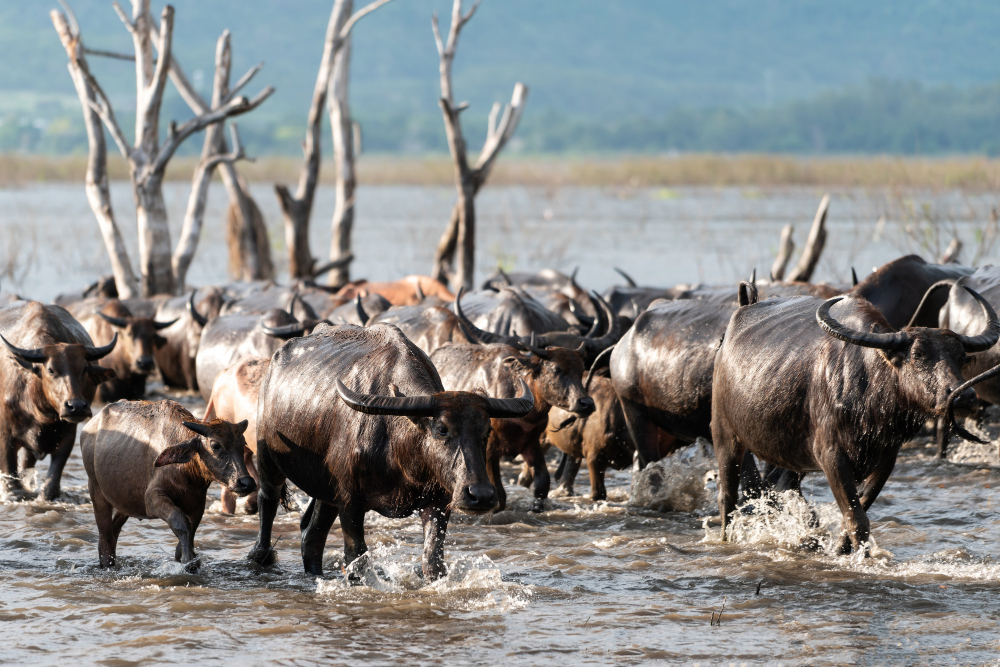
  • Buffaloes
  • Waterbucks
  • Leopards

This makes Birding Watching Safaris in Kenya both diverse and rewarding.


Travel Tips for Birding Watching Safaris in Kenya

Hire a Specialized Birding Guide

Expert birding guides are skilled in bird calls, identification, and behavior, significantly enhancing your experience.


Bring the Right Equipment

Essential birding gear includes:

  • High-quality binoculars
  • A field guide for East African birds
  • A camera with telephoto lens
  • Notebook for species recording

Choose the Right Accommodation

Lodges near Lake Nakuru often cater specifically to birders, offering early breakfasts, packed lunches, and knowledgeable staff.


Practice Responsible Birding

Ethical birding ensures conservation and sustainability.

Key principles include:

  • Avoid disturbing nesting birds
  • Keep a respectful distance
  • Follow park regulations

Photography Tips for Birding Safaris

Capturing Birds in Their Natural Habitat

Bird photography requires patience and preparation.

Recommended techniques include:

  • Early morning and late afternoon shooting
  • Using fast shutter speeds for birds in flight
  • Positioning with the sun behind you

Lake Nakuru’s open landscapes provide excellent lighting conditions.


Conservation Importance of Lake Nakuru

Protecting Bird Habitats

Lake Nakuru is a UNESCO World Heritage Site, recognized for its ecological significance.

Conservation efforts focus on:

  • Protecting wetlands
  • Monitoring bird populations
  • Supporting sustainable tourism

Tourism revenue directly supports conservation and local communities.


Frequently Asked Questions

Why is Lake Nakuru famous for birding?
Lake Nakuru is famous for its flamingos, pelicans, and over 450 bird species supported by diverse habitats.

When is the best time for Birding Watching Safaris in Kenya?
November to April is best for migratory birds, while resident species can be seen year-round.

Are Birding Watching Safaris in Kenya suitable for beginners?
Yes. Lake Nakuru is ideal for both beginners and experienced birders due to easy access and high species density.

Can birding be combined with traditional safaris?
Absolutely. Birding safaris often include wildlife viewing, photography, and cultural experiences.

How many days are ideal for birding in Lake Nakuru?
Two to three days allow ample time to explore different habitats and maximize sightings.


Why Lake Nakuru Is a Must-Visit for Bird Lovers

Birding Watching Safaris in Kenya reach their peak at Lake Nakuru National Park. From the iconic flamingos along the lake’s shores to soaring raptors and colorful woodland species, the park delivers a complete and immersive birding experience.

With excellent accessibility, professional guides, and breathtaking scenery, Lake Nakuru remains one of Africa’s top birding destinations.

Start planning your Birding Watching Safaris in Kenya today and explore the extraordinary birdlife of Lake Nakuru National Park.
Categories
Uncategorized

The Great Wildebeest Migration in East Africa: Routes, Seasons, and Travel Tips

The Great Wildebeest Migration in East Africa is widely regarded as one of the most extraordinary wildlife spectacles on the planet. Every year, more than 1.5 million wildebeests, accompanied by hundreds of thousands of zebras and gazelles, move in a vast circular journey across northern Tanzania and southwestern Kenya. This epic movement follows ancient routes shaped by rainfall, grazing patterns, and survival instincts.

From dramatic river crossings filled with danger to peaceful scenes of endless herds grazing across golden savannahs, the Great Migration offers raw, unscripted moments of nature at its finest. For safari enthusiasts, photographers, and nature lovers, witnessing this phenomenon is a truly life-changing experience.


Understanding the Great Wildebeest Migration

What Makes the Migration So Unique

Unlike many wildlife events that occur at fixed locations or times, the Great Wildebeest Migration is a continuous, year-round movement. The animals are constantly on the move, guided primarily by rainfall and the availability of fresh grass rather than specific calendar dates.

This migration supports one of the richest predator populations in Africa, creating intense predator-prey interactions and maintaining the delicate balance of the Serengeti–Mara ecosystem.

Animals That Participate in the Migration

While wildebeests are the stars of the journey, several other species migrate alongside them:

  • Plains zebras, often leading the herds
  • Thomson’s and Grant’s gazelles
  • Elands and other antelope species

Following closely are predators such as lions, cheetahs, leopards, hyenas, and Nile crocodiles, all drawn by the abundance of prey.


The Great Migration Route Explained

The Serengeti–Mara Ecosystem

The migration takes place within the Serengeti–Mara ecosystem, covering nearly 30,000 square kilometers. This vast area includes Serengeti National Park and Ngorongoro Conservation Area in Tanzania, as well as Maasai Mara National Reserve in Kenya.

The route is not a straight line but a broad clockwise loop shaped by seasonal rainfall.


Southern Serengeti and Ndutu Plains

The journey typically begins in the southern Serengeti and Ndutu region, an area known for its nutrient-rich short grass plains.

This region is especially important during the calving season, as the open plains allow wildebeests to spot predators easily while providing abundant grazing.


Central and Western Serengeti

As the southern grasslands dry out, the herds move northwest toward the central and western Serengeti. This phase is marked by long treks, predator encounters, and the first major water obstacle—the Grumeti River.


Northern Serengeti and Maasai Mara

The most iconic stage occurs when the herds push into the northern Serengeti and eventually cross into Kenya’s Maasai Mara via the dangerous Mara River. These crossings are unpredictable, dramatic, and often chaotic.


The Return Journey South

When the short rains begin toward the end of the year, the herds gradually move back south, completing the cycle and preparing for the next calving season.


The Great Wildebeest Migration by Season

January to March: Calving Season in Southern Serengeti

This period marks the beginning of new life on the plains.

Key highlights include:

  • Over 500,000 calves born within a few weeks
  • Constant predator activity due to vulnerable newborns
  • Excellent visibility and dramatic wildlife photography

This is one of the best times for travelers interested in predator behavior and newborn wildlife.


April to May: Green Season and Northern Movement

As long rains fall, the herds begin migrating northward.

During this time, travelers can expect:

  • Lush, green landscapes
  • Fewer tourists and quieter parks
  • Occasional rain affecting road conditions

This season appeals to photographers and visitors seeking solitude and scenic beauty.


June to July: Grumeti River Crossings

The migration reaches the western Serengeti, where the Grumeti River poses a serious challenge.

Notable experiences include:

  • Crocodile-filled river crossings
  • Massive herds gathering along riverbanks
  • Increased predator activity

This stage is dramatic but less crowded than later river crossings in the Mara.


August to October: Mara River Crossings

This is the most famous and sought-after phase of the Great Migration.

Highlights include:

  • Spectacular Mara River crossings
  • Intense survival scenes involving crocodiles and strong currents
  • Outstanding predator sightings

Both northern Serengeti and Maasai Mara offer prime viewing during this period.


November to December: Journey Back to Southern Serengeti

As short rains begin, the herds move south once again.

This season offers:

  • Beautiful skies and fresh grass
  • Fewer crowds
  • A relaxed safari atmosphere

It is an excellent time for travelers seeking a quieter migration experience.


Best Destinations to Witness the Great Wildebeest Migration

Serengeti National Park, Tanzania

The Serengeti hosts the migration for the majority of the year, making it extremely versatile.

Best for:

  • Calving season
  • Grumeti River crossings
  • Long stays following the herds

Its vast size ensures fewer crowds and a more exclusive safari experience.


Maasai Mara National Reserve, Kenya

The Maasai Mara is ideal during peak migration months.

Best for:

  • Mara River crossings
  • High predator density
  • Classic savannah landscapes

Its compact size increases the chances of witnessing dramatic action.


Travel Tips for Planning a Great Migration Safari

Time Your Safari Carefully

Understanding migration patterns helps maximize your chances of seeing specific events such as calving or river crossings.


Book Lodges and Camps Well in Advance

Migration season is extremely popular. Camps near river crossing points often sell out 6–12 months ahead.


Consider Fly-In Safaris

Fly-in safaris reduce travel time and offer aerial views of wildlife movements, ideal for luxury travelers or shorter itineraries.


Pack Appropriately for Safari Conditions

Essential items include:

  • Neutral-colored clothing
  • Comfortable walking shoes
  • Sun protection and insect repellent
  • High-quality binoculars

Travel with Experienced Safari Guides

Local guides understand migration behavior and know how to position vehicles for the best sightings while respecting wildlife regulations.


Photography Tips for the Great Wildebeest Migration

Preparing for Action Photography

Migration scenes unfold quickly and unpredictably.

Key tips include:

  • Use a fast shutter speed for river crossings
  • Bring a telephoto lens (200–400mm)
  • Be patient—crossings may take hours or days
  • Shoot during early morning or late afternoon for optimal light

Conservation and Responsible Tourism

Protecting a Natural Wonder

The Great Wildebeest Migration depends on healthy ecosystems and protected land corridors.

Responsible travel includes:

  • Supporting eco-conscious lodges
  • Following park rules and ethical wildlife viewing practices
  • Respecting local communities and cultures

Tourism revenue plays a crucial role in conservation and community development.


Frequently Asked Questions

When is the best time to see the Great Wildebeest Migration?
The migration is visible year-round, but July to October is best for river crossings, while January to March is ideal for calving.

Is the migration predictable each year?
The route remains consistent, but timing varies slightly depending on rainfall patterns.

Is the migration better in Kenya or Tanzania?
Both countries offer exceptional experiences. Tanzania hosts the migration longer, while Kenya offers iconic river crossings.

Is the Great Migration suitable for families?
Yes. Many lodges cater to families, although parental supervision is essential during activities.

How many days are recommended for a migration safari?
A minimum of 5–7 days is recommended to increase your chances of witnessing key migration events.


Why the Great Wildebeest Migration Should Be on Your Bucket List

The Great Wildebeest Migration in East Africa is a powerful reminder of nature’s rhythm, resilience, and beauty. From thunderous hooves echoing across endless plains to heart-stopping river crossings, every moment feels raw and authentic.

Whether you choose Tanzania’s Serengeti, Kenya’s Maasai Mara, or a combination of both, the migration promises unforgettable memories and extraordinary wildlife encounters.

Start planning your Great Wildebeest Migration safari today and witness one of the greatest natural spectacles on Earth.

Categories
Uncategorized

Gombe Streams National Park: The Ultimate Guide to Chimpanzee Trekking in Tanzania

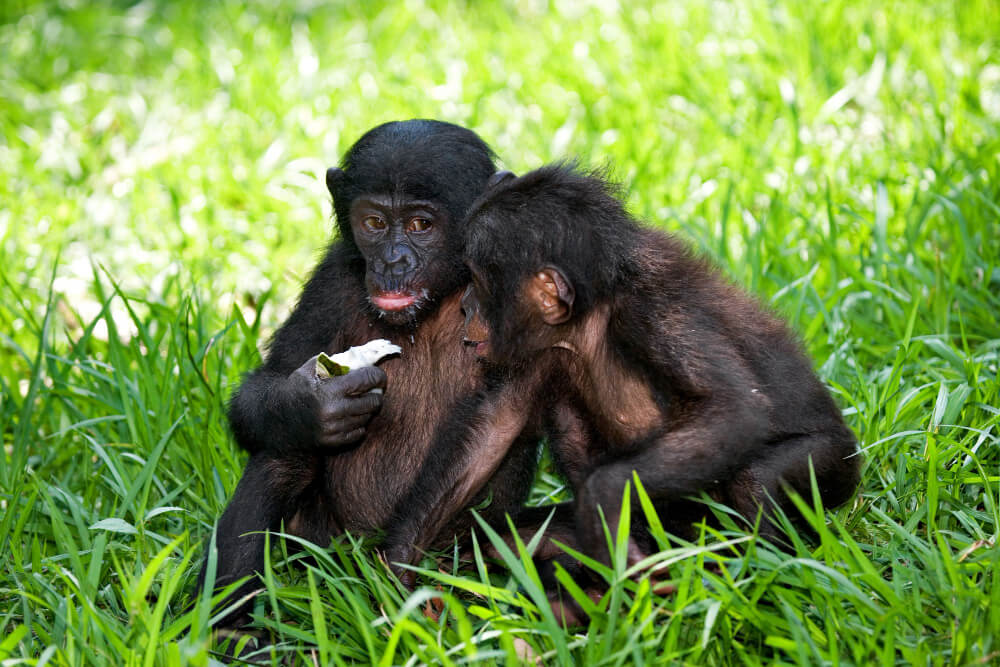
Guide to Chimpanzee Trekking in Tanzania introduces travelers to one of Africa’s most unique wildlife experiences. Nestled along the eastern shores of Lake Tanganyika, Gombe Streams National Park is world-renowned for its wild chimpanzees and the pioneering research of Dr. Jane Goodall. Unlike traditional safaris, chimpanzee trekking is an immersive walking adventure through pristine rainforest, offering intimate encounters with our closest primate relatives.

This comprehensive guide explores everything you need to know to plan an unforgettable trekking experience in Gombe, from wildlife spotting tips to hiking routes and seasonal considerations.


Introduction to Gombe Streams National Park

Location and Setting

Gombe Streams National Park is one of Tanzania’s smallest yet most biologically significant parks, covering just 52 square kilometers. The park is bordered by steep forested valleys and the turquoise waters of Lake Tanganyika, creating dramatic scenery that enhances the trekking experience.


Why Gombe Streams Is a Trekker’s Paradise

Gombe is globally celebrated for:

  • Its population of wild chimpanzees
  • Dense, undisturbed rainforest trails
  • Lake Tanganyika’s serene shoreline
  • Opportunities to witness long-term primate research in action

For visitors seeking a deeply personal wildlife adventure, Gombe offers a rare and intimate setting.


Chimpanzee Trekking in Gombe Streams National Park

The Core of the Experience

Chimpanzee trekking is the highlight of any Guide to Chimpanzee Trekking in Tanzania. Visitors join experienced trackers and guides to locate chimpanzee families in their natural habitat. Once located, trekkers observe chimpanzees as they feed, socialize, and interact within complex social groups.


What to Expect During a Trek

A typical chimpanzee trek includes:

  • A guided forest hike lasting 2–4 hours
  • Traversing steep valleys, streams, and forested hills
  • Approximately one hour of observation with chimpanzees
  • Opportunities to learn about chimp behavior and ecology

Each trek is unique, providing a personal encounter that can never be replicated.


Best Time for Chimpanzee Trekking in Tanzania

Dry Season: June to October

The dry season is generally considered the best time for trekking:

  • Trails are easier to navigate
  • Wildlife is more visible
  • Weather is cooler and more comfortable

Wet Season: November to May

The wet season offers:

  • Lush, vibrant forest landscapes
  • Fewer visitors for a more intimate experience
  • Excellent opportunities for birdwatching

Be prepared for muddy and slippery trails during this season.


Wildlife Encounters Beyond Chimpanzees

Other Primates and Mammals

While chimpanzees are the main attraction, trekkers often encounter:

  • Red colobus monkeys
  • Blue monkeys
  • Olive baboons
  • Forest antelope species

These sightings add variety and excitement to the trekking experience.


Birds and Reptiles

Gombe is home to over 200 bird species, making it a paradise for birdwatchers. Visitors may also spot snakes, frogs, and other reptiles along the trails, adding depth to the park’s wildlife diversity.


Hiking and Nature Trails in Gombe Streams National Park

Forest Hikes

Guided hikes are central to the trekking experience. Popular trails include:

  • Kakombe Valley Trail – ideal for chimp tracking
  • Mitumba Ridge – for panoramic views over the forest
  • Waterfall Trails – combining scenic views with wildlife encounters

Hikes range from moderate to challenging, making stamina and preparation essential.


Scenic Views of Lake Tanganyika

Several trails offer breathtaking vistas over Lake Tanganyika, providing perfect moments for photography and relaxation after trekking.


Tips for a Successful Chimpanzee Trekking Experience

Hire an Experienced Guide

A knowledgeable guide is critical to locating chimpanzees and explaining their behavior, social structures, and conservation status.


Prepare Physically

Trekking can be strenuous due to steep inclines, slippery slopes, and uneven terrain. Visitors should be in good physical condition and wear sturdy hiking boots.


Pack Essential Gear

Must-have items include:

  • Lightweight long-sleeve clothing for insect protection
  • Rain jacket for unexpected showers
  • Binoculars for distant wildlife
  • Water and snacks
  • Camera with telephoto lens for photography

Follow Ethical Trekking Guidelines

Conservation rules protect chimpanzees and other wildlife:

  • Maintain a safe distance (usually 8 meters)
  • Limit viewing time to one hour per group
  • Wear face masks if required to prevent disease transmission
  • Avoid loud noises and sudden movements

Accommodation Near Gombe Streams National Park

Eco-Lodges and Camps

Accommodation is limited but intimate. Options include:

  • Lakeside eco-lodges
  • Forest-view bandas
  • Small camps with personalized service

Staying close to the park ensures early access to trekking routes.


Photography Tips for Chimpanzee Trekking

Capturing the Perfect Wildlife Moment

For ethical wildlife photography:

  • Use a telephoto lens to maintain distance
  • Take advantage of natural light filtering through the forest
  • Be patient and observe animal behavior
  • Respect rules to avoid disturbing chimpanzees

Conservation and Learning Opportunities

Jane Goodall Research Center

A visit to Gombe often includes exposure to the research legacy of Dr. Jane Goodall, where guests learn about:

  • Chimpanzee social behavior
  • Conservation challenges and successes
  • How research has transformed primate studies worldwide

This educational component adds significant depth to the trekking experience.


Frequently Asked Questions

What is the best time for chimpanzee trekking in Tanzania?
The dry season, June to October, offers easier trails, more wildlife visibility, and comfortable temperatures.

Is chimpanzee trekking physically demanding?
Yes, trails are steep and uneven, so a moderate level of fitness is required.

How long does a typical chimpanzee trek last?
Trekking can last 2–4 hours, with one hour spent observing chimpanzees.

Can children participate in chimpanzee trekking?
Yes, typically children over 6–7 years old can join, depending on park rules.

Are chimpanzee sightings guaranteed?
No, sightings are not guaranteed due to the chimpanzees’ wild and unpredictable nature, but the chances are high with experienced trackers.


Why Gombe Streams National Park Is Ideal for Chimpanzee Trekking

Gombe Streams National Park is an exceptional destination for Guide to Chimpanzee Trekking in Tanzania. The combination of untouched rainforest, intimate wildlife encounters, and Lake Tanganyika’s scenic beauty makes trekking here a truly unique and immersive experience. Each step through the forest offers a deeper understanding of chimpanzee behavior, conservation, and the wonder of Africa’s wild landscapes.

For wildlife enthusiasts, photographers, and conservation-minded travelers, a visit to Gombe Streams is an unparalleled journey into the heart of primate habitat and natural beauty.

Plan your adventure today and discover the ultimate Guide to Chimpanzee Trekking in Tanzania at Gombe Streams National Park.

Categories
Uncategorized

Experience East Africa from the Sky: Hot Air Balloon Safaris in Serengeti & Maasai Mara

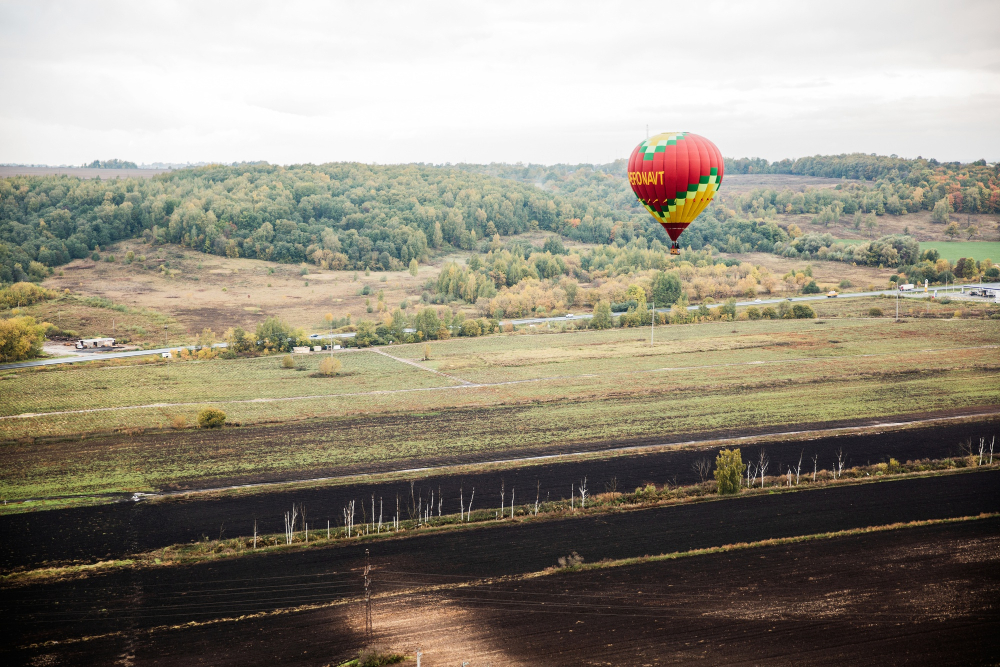
Hot Air Balloon Safaris offer one of the most magical and exclusive ways to experience East Africa’s iconic wildlife landscapes. Floating silently above endless savannahs at sunrise, watching herds of animals move across the plains, is an experience that blends adventure, romance, and awe-inspiring beauty.

In destinations like Serengeti National Park in Tanzania and Maasai Mara National Reserve in Kenya, hot air balloon safaris elevate the traditional safari into a once-in-a-lifetime journey. From dramatic river systems and acacia-dotted plains to roaming elephants and migrating wildebeests, the aerial perspective reveals Africa in its purest form.


What Are Hot Air Balloon Safaris?

A Unique Safari Experience

Hot Air Balloon Safaris are early-morning flights conducted in specially designed balloons that drift gently over wildlife-rich areas. Unlike game drives, balloon safaris offer a 360-degree panoramic view, allowing travelers to appreciate the sheer scale and beauty of the African wilderness.

The experience typically includes:

  • Sunrise balloon flight
  • One-hour aerial safari
  • Champagne bush breakfast after landing

This combination makes Hot Air Balloon Safaris both luxurious and unforgettable.


Why Balloon Safaris Are So Special

Balloon safaris are quiet and non-intrusive, allowing wildlife to behave naturally below. Without engine noise, animals remain calm, offering rare and authentic viewing opportunities.

From the sky, travelers can observe:

  • Predator-prey interactions
  • Large migrating herds
  • River systems and landscapes invisible from the ground

Why Choose Serengeti and Maasai Mara for Hot Air Balloon Safaris?

The Heart of East Africa’s Wildlife

Both the Serengeti and Maasai Mara form part of the Serengeti–Mara ecosystem, one of the richest wildlife regions on Earth. These vast open plains are ideal for ballooning due to excellent visibility and consistent weather patterns.


Abundant Wildlife and Iconic Landscapes

Hot Air Balloon Safaris in these regions offer aerial views of:

  • Lions, cheetahs, and leopards
  • Elephants and giraffes
  • Wildebeests and zebras during the Great Migration
  • Hippos and crocodiles along winding rivers

The scenery transitions from golden savannahs to riverine forests and rolling hills, creating a visually stunning journey.


Hot Air Balloon Safaris in Serengeti National Park

Serengeti from Above

The Serengeti is vast, wild, and timeless. Experiencing it from the sky provides a profound sense of scale and serenity.

Balloon flights typically operate in:

  • Central Serengeti (Seronera)
  • Western Serengeti
  • Northern Serengeti

Each region offers unique wildlife patterns depending on the season.


Serengeti Balloon Safari Highlights

Key highlights include:

  • Viewing the Great Migration from above
  • Spotting predators tracking herds
  • Flying over river valleys and kopjes

The Serengeti’s openness ensures uninterrupted views stretching to the horizon.


Hot Air Balloon Safaris in Maasai Mara National Reserve

Maasai Mara’s Aerial Magic

The Maasai Mara is renowned for its dense wildlife populations and dramatic landscapes. Balloon safaris here are particularly popular due to the Mara’s compact size and high concentration of animals.


Maasai Mara Balloon Safari Highlights

Highlights often include:

  • Aerial views of the Mara River
  • Crocodiles and hippos basking along riverbanks
  • Large lion prides and elephant herds
  • Seasonal Great Migration crossings

The Mara’s rolling plains and meandering rivers create breathtaking aerial scenery.


Best Time for Hot Air Balloon Safaris in East Africa

Year-Round Availability

Hot Air Balloon Safaris operate year-round in both Serengeti and Maasai Mara, weather permitting.


Peak Wildlife Viewing Seasons

The best times include:

  • June to October: Dry season with excellent wildlife visibility
  • July to September: Ideal for viewing the Great Migration
  • January to March: Calving season in southern Serengeti

Each season offers a unique aerial perspective.


What to Expect on a Hot Air Balloon Safari

Early Morning Start

Balloon safaris begin before sunrise. Guests are picked up from their lodges around 4:30–5:00 AM and transferred to the launch site.


The Balloon Launch Experience

Watching the balloon inflate against the dawn sky is a memorable experience in itself. As the balloon lifts off, the silence and gentle motion create a sense of floating rather than flying.


The Flight

The flight lasts approximately one hour, depending on weather conditions. The pilot adjusts altitude to provide close-up views of wildlife and sweeping panoramic scenes.


Champagne Bush Breakfast

After landing, guests enjoy a luxurious bush breakfast, complete with champagne, served in the middle of the wilderness—a tradition inspired by early explorers.


Wildlife Sightings from the Air

Animals Commonly Seen During Balloon Safaris

From above, travelers may spot:

  • Elephants moving in family groups
  • Giraffes casting long shadows at sunrise
  • Wildebeest and zebra herds stretching for miles
  • Lions resting or returning from hunts

This aerial view reveals animal movement patterns rarely seen from the ground.


Travel Tips for Hot Air Balloon Safaris

Book in Advance

Hot Air Balloon Safaris are extremely popular and have limited capacity. Booking well in advance is essential, especially during peak seasons.


Dress Appropriately

Recommended clothing includes:

  • Warm layers for early mornings
  • Comfortable safari attire
  • Closed shoes

Temperatures can be cool before sunrise but warm quickly after landing.


Bring the Right Equipment

Essentials include:

  • Camera with wide-angle and zoom lenses
  • Extra batteries and memory cards
  • Sunglasses and sunscreen

Follow Safety Guidelines

Balloon safaris are operated by licensed professionals and follow strict safety protocols. Always listen carefully to pilot instructions during takeoff and landing.


Who Should Try Hot Air Balloon Safaris?

Ideal for Special Occasions

Hot Air Balloon Safaris are perfect for:

  • Honeymooners
  • Anniversary celebrations
  • Luxury travelers
  • Photographers seeking unique perspectives

The experience is both romantic and adventurous.


Age and Fitness Considerations

Most operators require guests to be:

  • At least 6–7 years old
  • Able to stand for extended periods
  • Physically capable of climbing in and out of the basket

Photography Tips for Balloon Safaris

Capturing the Perfect Aerial Shot

To maximize photography success:

  • Shoot during golden sunrise light
  • Use fast shutter speeds for moving animals
  • Include landscapes for scale and depth

The soft morning light enhances colors and textures across the plains.


Conservation and Sustainable Tourism

Supporting Wildlife Protection

Hot Air Balloon Safaris contribute to conservation through park fees, community support, and low-impact tourism.

Responsible operators ensure:

  • Minimal disturbance to wildlife
  • Compliance with park regulations
  • Support for local communities

By choosing ethical operators, travelers help protect these ecosystems.


Frequently Asked Questions

Are Hot Air Balloon Safaris safe?
Yes. They are operated by highly trained pilots and regulated under strict aviation and park safety standards.

How long does a Hot Air Balloon Safari last?
The flight lasts about one hour, with the entire experience taking approximately 4–5 hours including breakfast.

Can children join Hot Air Balloon Safaris?
Yes, usually children above 6–7 years old, depending on the operator’s safety policy.

Do balloon safaris guarantee wildlife sightings?
While sightings are not guaranteed, the Serengeti and Maasai Mara offer exceptional wildlife density, making sightings highly likely.

Are Hot Air Balloon Safaris worth the cost?
Absolutely. The experience, views, exclusivity, and bush breakfast make it one of the most memorable safari activities.


Why Hot Air Balloon Safaris Are a Must-Do Experience

Hot Air Balloon Safaris offer a rare opportunity to experience East Africa from a breathtaking aerial perspective. Drifting silently above the Serengeti and Maasai Mara at sunrise reveals wildlife movements, landscapes, and moments impossible to capture from the ground.

Whether you are celebrating a special occasion or seeking the ultimate safari adventure, a balloon safari delivers magic, elegance, and unforgettable memories.

Start planning your Hot Air Balloon Safaris today and experience East Africa from the sky.

Categories
Uncategorized

Top Things to Do in Gombe Streams National Park – Wildlife, Hiking & Lake Tanganyika

Things to Do at Gombe Streams NP go far beyond a typical safari experience. Nestled along the eastern shores of Lake Tanganyika in western Tanzania, Gombe Streams National Park is one of Africa’s most intimate and unique wildlife destinations. Famous for its chimpanzees and the groundbreaking research of Dr. Jane Goodall, Gombe offers a rare blend of wildlife encounters, rainforest hikes, and lakeside relaxation.

With no roads inside the park and access only by boat, Gombe Streams delivers an exclusive, immersive experience for travelers seeking nature, adventure, and conservation-focused tourism.


Introduction to Gombe Streams National Park

Location and Unique Setting

Gombe Streams National Park is one of Tanzania’s smallest parks, covering just 52 square kilometers, yet it offers extraordinary biodiversity. The park lies between steep forested valleys and the clear waters of Lake Tanganyika, creating a dramatic and beautiful landscape.

This remote location makes Things to Do at Gombe Streams NP feel personal, raw, and deeply connected to nature.


Why Gombe Streams Is So Special

Gombe is globally renowned for:

  • Wild chimpanzee populations
  • Long-term primate research
  • Pristine rainforest habitats
  • Spectacular lake and mountain scenery

Unlike traditional savannah safaris, Gombe focuses on walking experiences and close wildlife encounters.


Chimpanzee Trekking in Gombe Streams National Park

The Highlight of Gombe

Chimpanzee trekking is the main attraction and the most iconic of all Things to Do at Gombe Streams NP.

Visitors hike through forested valleys with experienced guides and trackers to locate chimpanzee families. Once found, you observe them as they feed, groom, play, and interact in their natural habitat.


What to Expect During Chimpanzee Trekking

Chimpanzee treks typically involve:

  • Guided forest hikes lasting 2–4 hours
  • Steep and sometimes challenging terrain
  • One hour of observation once chimps are found

Every trek is different, making each encounter unique and unforgettable.


Forest Hiking and Nature Walks

Exploring Gombe’s Forest Trails

Guided forest hikes are among the most rewarding Things to Do at Gombe Streams NP. The park’s network of trails winds through lush rainforest, waterfalls, and scenic viewpoints.

Popular hikes include:

  • Kakombe Valley Trail
  • Mitumba Ridge viewpoints
  • Waterfall and stream walks

These hikes provide both adventure and insight into the park’s ecology.


Wildlife Encountered on Forest Walks

Beyond chimpanzees, hikers may encounter:

  • Red colobus monkeys
  • Blue monkeys
  • Olive baboons
  • Forest antelope species

The forest is alive with sounds, movement, and hidden wildlife.


Birdwatching in Gombe Streams National Park

A Hidden Birding Paradise

Birdwatching is an often-overlooked highlight among the Things to Do at Gombe Streams NP. The park is home to over 200 bird species, including forest specialists and lake-associated birds.


Notable Bird Species

Birders may spot:

  • African fish eagle
  • Palm-nut vulture
  • Ross’s turaco
  • Peter’s twinspot
  • Crowned hornbill

Early mornings and late afternoons offer the best birding opportunities.


Lake Tanganyika Activities

Relaxing on the Shores of Lake Tanganyika

Lake Tanganyika is one of the world’s deepest and clearest lakes, and it plays a central role in the Gombe experience.

Relaxation and water-based Things to Do at Gombe Streams NP include:

  • Swimming in clear waters
  • Sunbathing on sandy beaches
  • Enjoying lakeside views

The calm lake atmosphere perfectly complements the forest hikes.


Boat Safaris and Scenic Cruises

Boat excursions along the park’s shoreline provide unique perspectives of:

  • Forest-covered mountains
  • Wildlife drinking at the water’s edge
  • Fishermen and traditional lake life

Boat safaris are also the primary way to access different sections of the park.


Jane Goodall Research Center and Conservation Learning

Learning About Chimpanzee Research

A visit to areas associated with Jane Goodall’s research adds depth to the list of Things to Do at Gombe Streams NP.

Guests learn about:

  • Chimpanzee behavior and social structures
  • Conservation challenges
  • The legacy of long-term research

This educational aspect makes Gombe especially meaningful for conservation-minded travelers.


Photography Opportunities in Gombe Streams

Capturing Wildlife and Landscapes

Gombe offers exceptional photography opportunities due to its close-range wildlife encounters and scenic setting.

Photographers can capture:

  • Chimpanzees in forest light
  • Misty hills and valleys
  • Reflections on Lake Tanganyika

Patience and respect for wildlife are essential for ethical photography.


Best Time to Visit Gombe Streams National Park

Dry Season: June to October

The dry season offers:

  • Easier hiking conditions
  • Better chimpanzee trekking success
  • Clear skies and cooler temperatures

This is considered the best time for most activities.


Wet Season: November to May

The wet season provides:

  • Lush green landscapes
  • Fewer visitors
  • Excellent birdwatching

Although trails may be slippery, the forest is vibrant and alive.


Travel Tips for Visiting Gombe Streams National Park

Prepare for Physical Activity

Gombe trekking involves steep hikes, so a reasonable level of fitness is recommended.


Pack the Right Gear

Essential items include:

  • Hiking boots
  • Lightweight rain jacket
  • Insect repellent
  • Refillable water bottle

Respect Wildlife Rules

Strict guidelines protect chimpanzees, including:

  • Maintaining distance
  • Wearing masks if required
  • Limiting viewing time

These rules ensure conservation and visitor safety.


Accommodation Options Near Gombe Streams

Lodges and Camps

Accommodation options are limited but high-quality, offering:

  • Beachfront bandas
  • Eco-lodges with forest views
  • Personalized service

Staying close enhances access to daily activities.


Frequently Asked Questions

What are the top Things to Do at Gombe Streams NP?
Chimpanzee trekking, forest hiking, birdwatching, lake swimming, and boat safaris are the top activities.

Is Gombe Streams National Park suitable for families?
Yes, but children must meet age requirements for chimpanzee trekking and be supervised during hikes.

How difficult is chimpanzee trekking?
Trekking can be moderately challenging due to steep terrain, but guides adjust pace to visitors’ abilities.

How many days are ideal for visiting Gombe Streams NP?
Three to four days allow enough time for chimpanzee trekking, hiking, and lake activities.

Can Gombe Streams be combined with other destinations?
Yes, it is often combined with Mahale Mountains National Park or other western Tanzania destinations.


Why Gombe Streams National Park Is a Must-Visit Destination

The Things to Do at Gombe Streams NP offer a rare combination of wildlife encounters, physical adventure, and serene natural beauty. From face-to-face chimpanzee experiences to peaceful moments along Lake Tanganyika, Gombe delivers an intimate and deeply enriching journey.

For travelers seeking meaningful wildlife encounters beyond traditional safaris, Gombe Streams National Park stands as one of Africa’s most unforgettable destinations.

Start planning your Gombe adventure today and discover the extraordinary Things to Do at Gombe Streams NP.

Categories
Uncategorized

Maasai Mara Luxury Safaris: Private Guides, Helicopters & Hot Air Balloons

Maasai Mara National Reserve, located in southwestern Kenya, is one of Africa’s most iconic safari destinations. Known for its vast savannahs, abundant wildlife, and the Great Migration, The Maasai Mara Luxury Safaris offers opportunities for unforgettable experiences. For travelers seeking luxury, privacy, and unique perspectives, luxury safaris elevate the safari experience with private guides, helicopters, and hot air balloon adventures.

This guide explores the luxury safari options in Maasai Mara, highlighting exclusive accommodations, unique activities, and tips to make the most of your high-end safari adventure.

An Overview of Maasai Mara National Reserve

Maasai Mara spans approximately 1,510 square kilometers (583 square miles) and forms part of the Serengeti-Mara ecosystem, one of the most biodiverse regions in Africa. The reserve is home to over 95 mammal species and 500 bird species, making it a haven for wildlife enthusiasts and photographers.

The Mara is particularly famous for the Big Five—lions, elephants, buffaloes, leopards, and rhinoceroses—as well as cheetahs, giraffes, zebras, and wildebeests. Luxury safari experiences in the park allow travelers to enjoy these wildlife encounters with comfort, privacy, and personalized services.

Luxury Safari Lodges and Camps

Maasai Mara offers a range of high-end lodges and luxury tented camps designed for privacy, comfort, and proximity to wildlife. Many feature private suites, plunge pools, and exclusive game drives.

  • Angama Mara: Perched above the Great Rift Valley, offering panoramic views and elegant accommodations.
  • Mahali Mzuri: Sir Richard Branson’s luxury safari camp with tented suites and private game drives.
  • Governors’ Camp: Combines comfort and classic safari experiences along the Mara River.
  • Mara Plains Camp: Focused on photography safaris, providing personalized guides and spacious luxury tents.

Luxury lodges often include fine dining, spa services, and personalized safari itineraries, allowing guests to combine adventure with relaxation.

Private Guides for Personalized Experiences

One of the key features of a luxury Maasai Mara safari is access to private guides. These expert guides provide:

  • Personalized game drives: Tailored to your interests, whether spotting the Big Five, photographing wildlife, or tracking rare species.
  • Expert knowledge: Guides share insights about animal behavior, ecosystems, and conservation efforts.
  • Exclusive experiences: Avoid crowded vehicles and enjoy private sightings in the best locations at optimal times.

Private guides ensure that your safari experience is customized, informative, and memorable, making it ideal for families, couples, or photography enthusiasts.

Helicopter and Air Safari Adventures

For travelers seeking a unique aerial perspective, helicopter and light aircraft safaris offer dramatic views of the Mara landscapes:

  • Aerial game spotting: See herds of elephants, lions, and wildebeests from above.
  • Scenic flights: Capture the Mara River, rolling plains, and dramatic sunsets in breathtaking panoramas.
  • Quick transfers: Helicopters allow luxury travelers to move between lodges and camps efficiently.

Flying over the Mara adds a sense of adventure and luxury, allowing you to experience the park’s vastness in style.

Hot Air Balloon Safaris

Hot air balloon rides are a signature luxury safari experience in Maasai Mara, providing a peaceful and spectacular way to observe wildlife:

  • Sunrise views: Float above the savannah as the sun rises over the rolling plains.
  • Wildlife spotting: From above, spot lions, elephants, giraffes, and wildebeests in open areas.
  • Champagne breakfast: Many balloon safaris end with a luxurious breakfast in the bush, creating a once-in-a-lifetime memory.

Balloon safaris combine adventure, photography, and romance, making them ideal for couples, honeymooners, and wildlife photographers.

Wildlife Photography Opportunities

Luxury safaris in the Mara offer unmatched wildlife photography opportunities:

  • Big Five: Lions, leopards, elephants, buffaloes, and rhinos are frequently seen on private game drives.
  • Cheetahs and hyenas: Capture predators in action without crowds.
  • Birdlife: Spot over 500 species, including eagles, vultures, and hornbills.
  • Great Migration: Witness dramatic river crossings and massive herds of wildebeests and zebras from exclusive vantage points.

Private vehicles, guides, and early morning drives ensure the best lighting and optimal wildlife encounters for photographers.

Exclusive and Family-Friendly Activities

Luxury safaris cater not only to couples and photographers but also to families:

  • Custom game drives: Adjusted to children’s schedules and interests.
  • Bush walks: Explore the Mara’s smaller wildlife, plants, and insects under the guidance of expert trackers.
  • Cultural experiences: Visit Maasai villages for safe, educational, and interactive cultural encounters.
  • Wellness options: Spas, pools, and relaxation areas allow adults to enjoy downtime while children participate in guided bush activities.

Luxury camps provide all-inclusive experiences, ensuring families enjoy both adventure and comfort.

Best Time for Luxury Safari Experiences

The timing of your Maasai Mara visit can enhance your luxury safari:

  • Dry season (July–October): Best for wildlife concentration, Great Migration viewing, and optimal game drive conditions.
  • Short dry season (January–February): Excellent for predator sightings and baby animals.
  • Wet season (March–May, November–December): Lush landscapes, fewer tourists, and excellent birdwatching, but some roads may be inaccessible.

Early morning and late afternoon are the most productive times for game drives, photography, and hot air balloon rides.

Tips for an Exceptional Luxury Safari

  1. Book early: Luxury lodges and balloon rides are in high demand during peak season.
  2. Hire private guides: For tailored game drives and wildlife insight.
  3. Bring professional photography gear: Telephoto lenses, drones (where allowed), and binoculars enhance your experience.
  4. Dress in neutral layers: Comfortable for changing temperatures during game drives and aerial activities.
  5. Stay hydrated and sun-protected: The Mara can be hot during the day, especially in open vehicles or balloon rides.

FAQs

What makes a luxury safari different?
Luxury safaris provide private guides, exclusive lodges, aerial perspectives, and personalized experiences, combining adventure with comfort.

Can families enjoy luxury safaris?
Yes, lodges offer family-friendly accommodations, custom drives, and activities suitable for children.

Are hot air balloon rides safe?
Yes, flights are conducted by trained pilots with safety briefings and professional operators.

When is the best time for a luxury safari?
Dry seasons, July–October and January–February, ensure optimal wildlife sightings and comfort.

Is Maasai Mara suitable for photography?
Absolutely. Luxury safaris maximize photography opportunities with private vehicles, early morning drives, and exclusive vantage points.

Maasai Mara National Reserve offers an unmatched luxury safari experience, combining exclusive accommodations, private guides, helicopters, and hot air balloons. From Big Five sightings to dramatic river crossings and aerial perspectives, travelers enjoy personalized, memorable, and high-end adventures.

Whether you are a wildlife photographer, couple seeking romance, or a family looking for comfort and adventure, a luxury safari in Maasai Mara guarantees breathtaking wildlife encounters, unique experiences, and lifelong memories in one of Africa’s most iconic safari destinations.(Maasai Mara Luxury Safaris)

Categories
Uncategorized

Top Animals to Spot in Tsavo East National Park: Lions, Elephants & More

Tsavo East National Park, located in southeastern Kenya, is one of the largest and most iconic wildlife reserves in Africa. Known for its vast savannahs, red-dusted landscapes, and incredible biodiversity, the park offers visitors an unforgettable safari experience. From majestic lions and massive elephants to rare antelopes and unique bird species, Tsavo East is a haven for wildlife enthusiasts and photographers alike.(Animals to Spot in Tsavo East)

In this guide, we explore the top animals to spot in Tsavo East, their habitats, behaviors, and tips for maximizing your safari experience.

An Overview of Tsavo East National Park

Tsavo East National Park spans approximately 13,747 square kilometers (5,312 square miles), making it one of the largest national parks in Kenya. It forms part of the Tsavo Conservation Area, which includes Tsavo West National Park and surrounding wildlife corridors. The park is famous for its semi-arid landscapes, savannah plains, and iconic red soil, which create striking photographic opportunities.

The park is home to a wide range of wildlife species, making it a top safari destination for spotting Africa’s Big Five, as well as cheetahs, hyenas, giraffes, zebras, and a host of unique bird species. Its open plains, riverine areas, and volcanic hills provide diverse habitats that support both predators and prey.

The Majestic Lions of Tsavo East

One of the main attractions in Tsavo East is its lions, including some of the largest prides in Kenya. Often seen lounging in the shade of acacia trees during the heat of the day, these predators are highly social and display fascinating group behaviors.

  • Habitat: Lions are commonly found on the open savannah plains and around waterholes.
  • Behavior: Morning and late afternoon drives are ideal for spotting lions hunting or moving across the plains.
  • Photography Tips: Early morning or late afternoon light creates dramatic shadows, perfect for capturing the pride’s majestic movements.

Tsavo East is also home to the famous maneless lions, a unique feature of some lion populations in the region. Observing these rare lions adds a memorable aspect to your safari.

Giants of the Savannah: Elephants

Tsavo East is world-renowned for its large herds of African elephants, some of which are among the largest in Kenya. These gentle giants roam the savannahs, swamps, and riverine forests, providing one of the most unforgettable wildlife encounters on safari.

  • Behavior: Elephants are highly social and can often be seen interacting in family groups, bathing in mud, or crossing the Galana River.
  • Photography Tips: Capture elephants during golden hours to highlight their massive tusks against the park’s red soil and acacia trees.
  • Conservation Note: Tsavo’s elephant population has been heavily studied and is part of important anti-poaching initiatives, ensuring sustainable wildlife viewing.

Giraffes and Other Iconic Herbivores

Tsavo East is home to a wide range of herbivores, including giraffes, zebras, buffaloes, and various antelope species.

  • Giraffes: Often spotted browsing the treetops, giraffes provide excellent photographic opportunities against the park’s open plains.
  • Zebras: These striped animals graze alongside wildebeests and antelopes, creating dynamic wildlife scenes.
  • Buffaloes and Impalas: Buffalo herds can be massive, while impalas are agile and frequently seen in large groups near riverine areas.

The presence of these herbivores supports the park’s predators and contributes to the ecological balance, making every safari drive a diverse experience.

Predators Beyond Lions

In addition to lions, Tsavo East hosts cheetahs, leopards, and hyenas, offering exciting opportunities for wildlife enthusiasts.

  • Cheetahs: Often spotted sprinting across open plains, cheetahs are the fastest land animals and provide thrilling photographic moments.
  • Leopards: More elusive, leopards are found in dense thickets and rocky outcrops, often resting during the day.
  • Spotted Hyenas: Scavengers and skilled hunters, hyenas play a key role in the park’s ecosystem and are often seen in the evenings.

Rare and Unique Species in Tsavo East

Tsavo East is also home to rare wildlife species, including:

  • African Wild Dogs: Highly endangered, these pack hunters are occasionally spotted in remote areas.
  • Reticulated Giraffes: Distinctive markings make them stand out from other giraffe populations.
  • Servals and Caracals: Smaller cats that are mostly nocturnal and elusive.

Spotting these rarer animals requires patience and guidance from experienced safari guides, making the experience even more rewarding.

Birdlife in Tsavo East National Park

Birdwatchers will be delighted with over 500 bird species recorded in the park. Tsavo’s diverse habitats—from open plains to riverine forests—support:

  • Raptors: Including African fish eagles, bateleur eagles, and vultures.
  • Waterbirds: Such as pelicans, storks, and flamingos in seasonal water bodies.
  • Savannah Birds: Including hornbills, lilac-breasted rollers, and secretary birds.

Birdwatching adds another layer of excitement to safari drives, particularly for photography enthusiasts.

Best Times for Wildlife Viewing in Tsavo East

The dry seasons are the best times to spot wildlife:

  • June to October: Animals concentrate near water sources, making sightings easier and more predictable.
  • January to February: Dry conditions allow for excellent visibility and dramatic landscapes.

The wet seasons (March to May and November to December) bring lush vegetation, newborn animals, and migratory birds, but some roads may become difficult to navigate.

Tips for Maximizing Wildlife Sightings

  1. Hire an experienced guide: Knowledgeable guides know animal habits and the best locations for sightings.
  2. Start early: Morning game drives often produce the most activity.
  3. Bring binoculars and cameras: Essential for spotting distant wildlife and capturing stunning images.
  4. Stay in strategic lodges: Many lodges are located near waterholes, offering wildlife viewing from your accommodation.
  5. Be patient: Wildlife sightings can require time and careful observation, especially for elusive predators.

Family and Photography-Friendly Lodges

Tsavo East offers a variety of lodges and camps suitable for families, photographers, and safari enthusiasts:

  • Taita Hills Safari Lodge: Overlooks plains and rivers, offering excellent wildlife views.
  • Satao Camp: Ideal for photographers with proximity to key animal habitats.
  • Voi Safari Lodge: Family-friendly accommodations with easy access to game drives.

These lodges combine comfort, accessibility, and opportunities to observe wildlife directly from your lodge grounds.(Animals to Spot in Tsavo East)

FAQs About Wildlife in Tsavo East

What are the top animals to see in Tsavo East?
Lions, elephants, giraffes, zebras, buffaloes, cheetahs, leopards, and various antelope species.

When is the best time for a safari?
The dry seasons, June–October and January–February, provide easier wildlife sightings.

Are there rare species in Tsavo East?
Yes, including African wild dogs, caracals, and reticulated giraffes.

Is Tsavo East suitable for families?
Absolutely. Shorter game drives and accessible lodges make it family-friendly.

Can I do photography safaris?
Yes, the park’s landscapes, iconic wildlife, and golden light conditions make it ideal for photography.

Tsavo East National Park is a must-visit destination for wildlife lovers, photographers, and safari enthusiasts. From majestic lions and massive elephants to giraffes, cheetahs, and rare bird species, the park offers diverse and unforgettable wildlife encounters. Its vast landscapes, iconic red soils, and abundant wildlife make every game drive an exciting adventure.

Whether you are on a family safari, a photography expedition, or a classic Big Five adventure, Tsavo East promises memorable sightings, stunning landscapes, and an authentic African safari experience that will last a lifetime.

Categories
Uncategorized

Family-Friendly Lake Manyara Safaris: Lodges & Activities

Lake Manyara National Park, located in northern Tanzania, is a perfect safari destination for families. Its compact size, diverse wildlife, and scenic landscapes make it ideal for travelers of all ages. From tree-climbing lions to vast flamingo populations, the park offers unique experiences that combine adventure, education, and comfort.

This guide explores family-friendly lodges, top activities, and tips for making the most of a Lake Manyara safari with children.

An Overview of Lake Manyara National Park

Lake Manyara National Park spans 330 square kilometers (127 square miles) and is part of the larger Manyara–Ngorongoro ecosystem. The park features acacia woodlands, alkaline lakes, and hot springs, all within a compact area that allows families to experience abundant wildlife without long drives.

The park is particularly famous for:

  • Tree-climbing lions, a rare behavior unique to this region.
  • Large flocks of flamingos, often visible on the lake’s alkaline shores.
  • Diverse birdlife, making it ideal for both kids and adults interested in nature.

Family-Friendly Lodges in Lake Manyara

Several lodges and camps around Lake Manyara cater specifically to families, offering comfort, safety, and kid-friendly activities:

  • Lake Manyara Serena Safari Lodge: Features family suites, stunning views, and easy access to game drives.
  • Manyara Wildlife Safari Camp: Offers tents and cottages suitable for families, plus on-site guides for nature walks.
  • Lake Manyara Tree Lodge: Perfect for adventurous families, providing treehouse accommodations and wildlife-viewing decks.

These lodges often provide child-friendly meals, swimming pools, and educational programs about local wildlife and conservation.

Wildlife and Birdwatching for Families

Lake Manyara offers highly visible wildlife that keeps children engaged and excited:

  • Tree-Climbing Lions: Unique and fascinating predators resting in acacia trees.
  • Elephants and Buffaloes: Often seen grazing near water sources or walking across open plains.
  • Hippos and Crocodiles: Visible in swamps and rivers, offering safe but thrilling encounters.
  • Birdlife: Over 400 species, including flamingos, pelicans, and African fish eagles, perfect for kid-friendly birdwatching.

The park’s compact size allows families to see multiple species in a single morning or afternoon game drive, keeping the experience exciting for children.

Top Family-Friendly Activities in Lake Manyara

Families can enjoy a variety of activities designed to be safe, educational, and memorable:

1. Game Drives

Short, guided game drives are ideal for families, allowing children to observe wildlife safely from a vehicle. Guides provide educational commentary about animals, habitats, and conservation efforts.

2. Birdwatching Walks

Guided birdwatching tours are suitable for older children, offering the chance to spot flamingos, herons, and colorful woodland species while learning about their ecological importance.

3. Nature Walks

Lodges often organize family-friendly walking safaris, introducing children to plant life, animal tracks, and insects, fostering curiosity and hands-on learning.

4. Cultural Experiences

Nearby Maasai villages offer safe cultural interactions, including traditional dances, crafts, and storytelling, helping children understand the local heritage and connection to wildlife.

5. Photography and Wildlife Observation

Families can practice wildlife photography together, capturing lions, elephants, and birdlife. Early mornings and late afternoons provide the best light and animal activity for memorable photos.

Best Time for Family Safaris

  • Dry Seasons (June – October, December – February): Wildlife is easier to spot, roads are accessible, and weather is comfortable.
  • Wet Seasons (March – May, November): Lush landscapes and vibrant birdlife, but some roads may be muddy.

Choosing dry-season visits ensures shorter drives, safer conditions, and more predictable wildlife sightings, ideal for children.

Tips for a Successful Family Safari

  1. Select kid-friendly lodges with family accommodations and amenities.
  2. Plan shorter game drives to maintain children’s energy and attention.
  3. Pack binoculars and cameras for shared wildlife observation experiences.
  4. Bring layers and sun protection for changing temperatures and sun exposure.
  5. Engage children with educational activities provided by lodges and guides.

FAQs About Family Safaris at Lake Manyara

Is Lake Manyara suitable for young children?
Yes, the park’s compact size, short drives, and abundant wildlife make it ideal for families.

Which wildlife is easiest to spot with kids?
Tree-climbing lions, elephants, flamingos, and hippos are highly visible and exciting for children.

Are walking safaris safe for families?
Yes, when guided by experienced rangers in safe areas away from predators.

What accommodation options suit families?
Family lodges and safari camps with suites, cottages, or tents that provide comfort and kid-friendly amenities.

Can families participate in cultural visits?
Yes, guided visits to nearby Maasai villages offer safe and educational experiences for all ages.

Lake Manyara National Park offers a perfect balance of adventure, wildlife, and comfort for families. With kid-friendly lodges, short game drives, birdwatching, and cultural experiences, families can create lasting memories in one of Tanzania’s most accessible and scenic safari destinations. Whether it’s observing tree-climbing lions, photographing flamingos, or learning about local traditions, Lake Manyara guarantees fun, educational, and safe safari experiences for all ages.

Categories
Uncategorized

Wildlife Photography at Maasai Mara National Park: Capture Africa’s Big Five

Maasai Mara National Reserve, located in southwestern Kenya, is one of Africa’s premier safari destinations and a dream location for wildlife photographers. Famous for its vast savannahs, abundant wildlife, and dramatic sunsets, the Mara offers unparalleled opportunities to capture the Big Five—lions, leopards, elephants, buffaloes, and rhinoceroses—alongside other iconic African animals.(Wildlife Photography at Maasai Mara)

This guide highlights the best photography spots, wildlife encounters, and practical tips to help you make the most of your Maasai Mara safari.

An Overview of Maasai Mara National Park

Maasai Mara spans 1,510 square kilometers (583 square miles) and is part of the larger Serengeti-Mara ecosystem, which includes Tanzania’s Serengeti National Park. The park is renowned for its open grasslands, rolling hills, and meandering rivers, all of which create perfect settings for wildlife photography.

The Mara is also globally famous for the Great Migration, when millions of wildebeest and zebras cross the plains in search of fresh grazing, creating dramatic photographic moments.

Iconic Landscapes of Maasai Mara

Maasai Mara offers diverse and photogenic landscapes that enhance every wildlife photograph:

  • Golden Grasslands: Rolling savannahs provide clear views of grazing animals and predators.
  • Acacia-Dotted Plains: Iconic acacia trees serve as natural frames for wildlife shots.
  • Rivers and Waterholes: The Mara River is a hotspot for crocodiles, hippos, and dramatic predator-prey interactions.
  • Hills and Escarpments: Elevated viewpoints provide sweeping panoramas of the park’s landscapes.

Wildlife Photography Highlights

Maasai Mara is home to over 95 mammal species and more than 500 bird species, making it a treasure trove for photographers.

Capturing the Big Five

The Mara is one of the best places in Africa to photograph the Big Five:

  • Lions: Frequently seen lounging under acacia trees or hunting across open plains.
  • Leopards: Elusive but often spotted in trees or dense thickets, offering unique photographic opportunities.
  • Elephants: Roaming herds provide dramatic shots against the golden savannah.
  • Buffaloes: Herds grazing together create powerful compositions.
  • Rhinoceroses: Though rarer, black rhinos are present in conservancy areas and can be photographed safely with guides.

Other Wildlife Photography Opportunities

Beyond the Big Five, photographers can capture:

  • Cheetahs in pursuit: Action shots of Africa’s fastest land animals.
  • Giraffes, zebras, and wildebeest: Classic safari subjects across the plains.
  • Birdlife: Including vultures, eagles, and colorful hornbills perched in trees.
  • Predator-prey interactions: Dramatic and rare moments around waterholes or during the migration.

Best Times for Wildlife Photography

Timing your safari is key to capturing the perfect shots:

  • Early Morning (6:00 AM – 10:00 AM): Wildlife is most active; soft golden light enhances photography.
  • Late Afternoon (3:00 PM – 6:00 PM): Animals gather near water; warm light creates dramatic landscapes.
  • Great Migration (July – October): Ideal for photographing river crossings and large herds of wildebeest and zebras.

Top Photography Tips for Maasai Mara

  1. Hire an experienced guide: Local guides know wildlife patterns and can position you for optimal shots.
  2. Bring a telephoto lens: Essential for capturing close-ups of predators and distant wildlife.
  3. Use a tripod or monopod: Stabilizes long lenses for sharper images.
  4. Dress in neutral colors: Helps you blend into the environment and avoid startling animals.
  5. Be patient and observant: Wildlife photography requires waiting for the right moment and anticipating animal behavior.

Popular Photography Spots

  • Mara River: Excellent for capturing dramatic river crossings and hippo interactions.
  • Hippo Pools: Perfect for photographing hippos and crocodiles in their natural habitat.
  • Acacia-dotted plains: Ideal for silhouettes of lions, giraffes, or elephants during sunrise and sunset.
  • Observation Hills: Elevated viewpoints for wide landscape shots and herd compositions.

Best Time to Visit Maasai Mara

  • Dry Season (June – October): Ideal for wildlife concentration, easier game drive roads, and migration photography.
  • Short Dry Season (January – February): Animals are active, and roads are accessible; fewer crowds.

Wet seasons (March–May, November) bring lush scenery and newborn animals but may make certain roads challenging.

FAQs About Wildlife Photography in Maasai Mara

Which animals are easiest to photograph?
Elephants, zebras, giraffes, and lions in open savannahs provide consistent photographic opportunities.

When is the Great Migration?
Typically between July and October, when herds cross the Mara River.

Do I need professional equipment?
A DSLR or mirrorless camera with a telephoto lens is ideal, but smartphones with zoom can also capture excellent shots.

Are guides necessary for photography?
Yes. Guides help you locate wildlife safely and position vehicles for optimal angles.

Is Maasai Mara suitable for beginner photographers?
Absolutely. The park’s concentration of wildlife and open landscapes make it beginner-friendly while offering challenges for professionals.

Maasai Mara National Park is a wildlife photographer’s paradise, offering incredible opportunities to capture Africa’s Big Five, dramatic landscapes, and unique animal behaviors. From golden savannahs to acacia silhouettes, river crossings, and vibrant birdlife, every safari provides new photographic moments. Whether you are a professional or an enthusiast, Maasai Mara promises unforgettable images and lasting memories of Africa’s iconic wildlife.

Categories
Uncategorized

Lake Manyara National Park Safari: Tree-Climbing Lions and Birdwatching Hotspots

Lake Manyara National Park, located at the base of Tanzania’s Great Rift Valley escarpment, is renowned for its unique wildlife and striking landscapes. From tree-climbing lions to flocks of flamingos and abundant bird species, the park offers a compact but unforgettable safari experience.

This guide explores the park’s wildlife, landscapes, and top safari activities for an enriching adventure.

An Overview of Lake Manyara National Park

Spanning 330 square kilometers (127 square miles), Lake Manyara National Park features Lake Manyara, acacia woodlands, and soda lakes, all within the larger Manyara–Ngorongoro ecosystem. The park’s diverse habitats support a high concentration of wildlife, making it an ideal destination for first-time and seasoned safari-goers alike.

Unique Landscapes of Lake Manyara

Lake Manyara’s landscapes are varied and scenic, offering something for every visitor:

  • Lake Shores: Attract thousands of flamingos, pelicans, and other waterbirds.
  • Acacia Woodlands: Home to elephants, giraffes, and buffaloes.
  • Rift Valley Escarpment: Provides breathtaking viewpoints and predator shelter.
  • Hot Springs and Swamps: Support hippos, crocodiles, and rich birdlife.

Wildlife in Lake Manyara National Park

The park is home to diverse mammals and birds, including several rare and iconic species.

Tree-Climbing Lions

Lake Manyara is world-famous for its tree-climbing lions, often resting in acacia and fig trees. This rare behavior provides an extraordinary wildlife viewing opportunity.

Other mammals include:

  • Elephants: Roaming savannahs and lake edges.
  • Buffaloes and Zebras: Grazing together on open plains.
  • Hippos: Found in lakes and swamps.
  • Leopards and Cheetahs: More elusive but present in wooded areas.

Birdwatching Hotspots

With over 400 bird species, Lake Manyara is a birdwatcher’s paradise:

  • Flamingos: Thousands gather along the alkaline lake shores.
  • African Fish Eagles: Frequently perched near water.
  • Pelicans and Herons: Abundant along lakes and streams.
  • Hornbills and Turacos: Add vibrant colors in forested areas.

Top Safari Activities in Lake Manyara

Visitors can enjoy a variety of safari experiences:

1. Game Drives

Game drives are ideal for spotting active wildlife, especially lions in trees. Morning and late afternoon drives maximize animal activity and photographic opportunities.

2. Birdwatching Tours

Guided birding excursions focus on lakes, swamps, and forests, helping visitors spot rare species and migratory birds.

3. Walking Safaris

Guided walking safaris offer intimate encounters with smaller wildlife, birds, and plant life, led by knowledgeable guides.

4. Scenic Photography

From tree-climbing lions to flamingo-filled lakes and rift valley vistas, Lake Manyara provides endless photography opportunities.

Best Time to Visit Lake Manyara National Park

  • June to October: Dry season with easier roads and concentrated wildlife.
  • December to February: Another dry period with excellent visibility for animals and birds.

Wet seasons (March–May, November) bring lush scenery and bird migration but can make roads slippery.


Tips for a Successful Safari

  1. Hire an experienced guide to enhance wildlife spotting and ensure safety.
  2. Use a 4×4 vehicle for rough terrain.
  3. Bring binoculars and camera gear for wildlife and birds.
  4. Dress in neutral layers for mornings and evenings.
  5. Carry water and snacks for full-day drives.

FAQs

What makes Lake Manyara unique?
Its tree-climbing lions, abundant birdlife, and lakeside landscapes make it stand out.

When is the best time for a safari?
Dry seasons from June to October and December to February offer optimal wildlife sightings.

Are flamingos visible year-round?
Yes, though large flocks are most common during dry seasons.

Is the park suitable for families?
Absolutely. Its compact size and diverse wildlife make it family-friendly.

Are walking safaris safe?
Yes, when conducted with experienced guide

Lake Manyara National Park is a must-visit safari destination. From rare tree-climbing lions to vibrant birdlife and stunning landscapes, the park delivers unforgettable wildlife encounters. Game drives, birdwatching tours, walking safaris, and photography adventures combine to make every visit remarkable. Whether you’re an adventurer, birdwatcher, or wildlife enthusiast, Lake Manyara promises memories that will last a lifetime.

Inquiry / Booking

📧 Email Us 💬 WhatsApp 📝 Inquiry Form