5 Days Lake Nakuru National Park Safari
A 5 Days Lake Nakuru National Park Safari offers a captivating journey through one of Kenya’s most scenic and wildlife-rich destinations. Known for its famous flocks of flamingos, breathtaking landscapes, and thriving populations of white and black rhinos, Lake Nakuru National Park is a jewel in the heart of the Great Rift Valley. The park’s diverse ecosystems, which range from acacia forests and savannahs to lakes and waterfalls, create the perfect backdrop for thrilling wildlife encounters.
In this comprehensive guide, we’ll take you through a day-by-day exploration of the Lake Nakuru National Park Safari, from the vibrant birdlife to the awe-inspiring mammals, ensuring that your time in this unique reserve is packed with unforgettable experiences.
Day 1: Arrival and Scenic Drive to Lake Nakuru National Park
Your 5-day safari adventure begins with an early morning departure from Nairobi. You’ll be picked up by your guide for the scenic drive to Lake Nakuru National Park, which lies approximately 160 kilometers (100 miles) northwest of the capital. The drive takes around 2-3 hours, offering stunning views of the Great Rift Valley along the way.
Great Rift Valley Viewpoints
En route to Lake Nakuru, you’ll stop at several scenic viewpoints that provide panoramic views of the Great Rift Valley, one of the world’s most significant geological features. Formed millions of years ago, the valley stretches from northern Syria to central Mozambique, creating a stunning backdrop for your safari. These viewpoints offer fantastic photo opportunities and a chance to marvel at the vastness of the landscape.
Arrival at Lake Nakuru National Park
Upon arrival at Lake Nakuru National Park, you’ll check into your lodge or tented camp. The park offers a range of accommodations, from luxury lodges overlooking the lake to more budget-friendly options set in the forest. After settling in and enjoying a delicious lunch, you’ll embark on your first afternoon game drive.
Afternoon Game Drive: Exploring the Park’s Wildlife
The excitement begins as you head out on an afternoon game drive through the park’s various habitats. Lake Nakuru National Park is famous for its vast populations of flamingos, which gather in huge numbers along the shores of the lake, creating a pink shimmer across the water. While flamingo numbers vary depending on water levels, the sight of these elegant birds feeding in the shallows is truly mesmerizing.
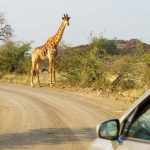
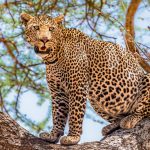
In addition to flamingos, you’ll have the chance to spot white rhinos, buffaloes, zebras, giraffes, and a variety of antelope species. The park’s dense woodlands are home to leopards, though they can be elusive, while the open grasslands provide excellent opportunities to see other predators, including lions and hyenas.
After the game drive, return to your lodge or camp for dinner and a night under the stars, surrounded by the sounds of the African wilderness.
Day 2: Full-Day Game Drives and Wildlife Encounters
Your second day in Lake Nakuru National Park is dedicated to a full day of game drives and wildlife exploration. The park’s diverse ecosystems support an incredible variety of wildlife, making each drive a new and exciting adventure.
Morning Game Drive: Rhino Tracking and Birdwatching
Start your day with an early morning game drive, the perfect time to catch sight of animals as they’re most active in the cool, early hours. Lake Nakuru is one of the best places in Kenya to see rhinoceroses, as the park is a designated rhino sanctuary, home to both white and black rhinos. These magnificent creatures are often seen grazing in the grasslands or wandering near the water’s edge, providing fantastic photographic opportunities.
In addition to rhinos, the morning game drive offers prime birdwatching, with over 450 bird species recorded in the park. Besides flamingos, keep an eye out for other waterbirds like pelicans, herons, and the impressive African fish eagle. The acacia woodlands and forests are also home to a wide range of songbirds, woodpeckers, and kingfishers.
Visit to Makalia Falls
During your game drive, you’ll visit the stunning Makalia Falls, located in the southern part of the park. These waterfalls, while not large, are beautiful and provide a peaceful spot to relax and enjoy the scenery. The area around Makalia Falls is frequented by buffaloes, baboons, and various bird species, making it a perfect stop for wildlife observation and photography.
Afternoon Game Drive: Searching for Big Cats
In the afternoon, continue exploring the park’s expansive landscapes, keeping an eye out for the big cats that inhabit the area. While lions are the most commonly seen predators, leopards and cheetahs also call Lake Nakuru home. With a bit of luck, you may witness a lion pride basking in the sun or a cheetah stalking its prey in the open grasslands.
As the sun sets over Lake Nakuru, the golden light transforms the landscape, creating an ideal setting for capturing stunning safari photographs.
Day 3: Nature Walks and Lake Nakuru Shoreline Exploration
Day three of your Lake Nakuru Safari offers a mix of game drives and nature walks, allowing you to explore the park from a different perspective.
Morning Nature Walk: Get Closer to Nature
Start your day with a guided nature walk, where you’ll have the opportunity to explore the park’s ecosystems on foot. Led by an experienced guide, the walk takes you through the forests, savannahs, and along the lake’s shores, offering a closer look at the flora and fauna of the region. The nature walk is a great way to spot smaller animals, insects, and plant species that are often missed during game drives.
Your guide will share insights into the park’s ecology, pointing out interesting features such as medicinal plants, bird nests, and animal tracks. Walking safaris provide a more intimate experience with nature and give you the chance to appreciate the finer details of the park’s biodiversity.
Lake Nakuru Shoreline Exploration
After your walk, head to the shoreline of Lake Nakuru, where you can witness the vast flocks of flamingos and other waterbirds up close. The lake’s alkaline waters attract a rich variety of life, and the sight of thousands of pink flamingos stretching across the horizon is nothing short of magical.
This is also a great time to observe hippos wallowing in the shallows and crocodiles sunbathing on the lake’s edges. As you walk along the shoreline, take in the incredible views of the surrounding escarpments and the lake’s shimmering surface.
Afternoon Game Drive: Spotting Wildlife in the Forests
In the afternoon, embark on another game drive, this time focusing on the park’s forested areas. The acacia woodlands provide shelter for a variety of animals, including buffaloes, impalas, and baboons. Leopards are often spotted in these areas, as they prefer the cover of the trees, while tree-climbing lions can sometimes be seen lounging in the branches, waiting for prey.
Day 4: Full-Day Game Drive and Visit to Baboon Cliff
Day four of your 5-day safari is packed with more wildlife encounters and breathtaking views.
Morning Game Drive: Wildlife Viewing and Photography
Start your day with a morning game drive, focusing on capturing some of the park’s most photogenic animals. The open plains, woodlands, and lake provide a perfect backdrop for photography, especially in the soft morning light. Whether it’s a herd of zebras grazing near the lake or a lone rhino walking through the grasslands, Lake Nakuru offers countless opportunities for unforgettable wildlife shots.
Visit to Baboon Cliff: Panoramic Views of Lake Nakuru
Later in the morning, head to Baboon Cliff, one of the highest points in the park, where you’ll enjoy panoramic views of Lake Nakuru and the surrounding landscapes. As the name suggests, baboons are often found in this area, and you’ll likely see troops of them foraging and interacting with one another.
From Baboon Cliff, you can take in the full scale of the lake, the surrounding forests, and the shimmering pink of the flamingo flocks below. It’s a great spot for photography and offers a bird’s-eye view of the park’s stunning scenery.
Afternoon Game Drive: Exploring New Areas
After lunch, set out on another afternoon game drive, focusing on areas of the park you may not have explored yet. This is the perfect time to seek out any animals you may have missed earlier in the trip, as well as revisit favorite spots for a chance to see more wildlife action.
Day 5: Morning Game Drive and Departure
On the final day of your Lake Nakuru Safari, you’ll have the opportunity to enjoy one last morning game drive before beginning the journey back to Nairobi.
Farewell to Lake Nakuru National Park
As you embark on your final game drive, take in the beauty of Lake Nakuru one last time, watching as the morning sun illuminates the plains and the animals begin their day. Whether it’s a final sighting of the rhinos, giraffes, or flamingos, your last moments in the park are sure to be filled with lasting memories.
After breakfast at your lodge, you’ll check out and start the return drive to Nairobi, where your 5-day safari adventure comes to an end.
What to Pack for Your Lake Nakuru Safari
To make the most of your 5 Days Lake Nakuru National Park Safari, here’s a checklist of essentials:
- Lightweight Clothing: Neutral-colored clothing is ideal for game drives, as it helps you blend into the environment.
- Hiking Boots or Comfortable Shoes: Essential for nature walks and exploring the park.
- Hat and Sunglasses: To protect yourself from the sun during the day.
- Sunscreen and Insect Repellent: Crucial for staying safe and comfortable during outdoor activities.
- Binoculars: Enhance your ability to spot wildlife and birds from a distance.
- Camera: Don’t forget to bring a good camera with a zoom lens to capture stunning shots of the wildlife and landscapes.
Best Time to Visit Lake Nakuru National Park
The best time for a Lake Nakuru Safari is during the dry seasons, which run from June to September and January to February. During these months, wildlife is more concentrated around water sources, and the trails are easier to navigate.
The wet seasons (March to May and October to December) bring more rain, resulting in lush landscapes and excellent birdwatching opportunities, but the roads can be muddy and difficult to drive on.
FAQs
What wildlife can I expect to see in Lake Nakuru National Park?
You can expect to see flamingos, rhinos, buffaloes, giraffes, zebras, and a variety of antelopes. The park is also home to predators like lions, leopards, and hyenas, as well as hippos and crocodiles.
When is the best time to visit Lake Nakuru National Park?
The best time to visit is during the dry seasons (June to September and January to February), when wildlife is easier to spot, and the roads are more accessible.
What should I pack for a Lake Nakuru safari?
Pack lightweight clothing, a hat, sunglasses, sunscreen, insect repellent, and comfortable shoes. Don’t forget a camera and binoculars for wildlife viewing.
Can I go on a guided nature walk in Lake Nakuru National Park?
Yes, guided nature walks are available in the park, offering a more intimate experience with the flora and fauna. Walking safaris are led by experienced guides who provide insights into the park’s ecosystems.
How long does it take to drive to Lake Nakuru from Nairobi?
The drive from Nairobi to Lake Nakuru National Park takes approximately 2-3 hours, depending on road conditions and traffic.
A 5 Days Lake Nakuru National Park Safari offers the perfect blend of stunning landscapes, diverse wildlife, and unforgettable experiences. From watching flocks of flamingos wade through the shimmering waters of Lake Nakuru to tracking rhinos across the plains and spotting elusive leopards in the forest, every moment in this beautiful park is filled with excitement and wonder. Whether you’re a first-time safari-goer or a seasoned traveler, Lake Nakuru National Park promises an adventure that will leave you with memories to last a lifetime.
Explore Our Tours