9 Days Northern Kenya Safari
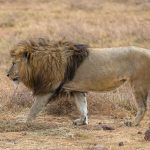
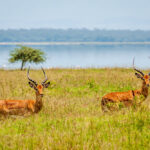
A 9 Days Northern Kenya Safari offers an extraordinary journey through the wild, rugged landscapes of Kenya’s remote northern regions, where few tourists venture. This adventure takes you through iconic reserves such as Samburu, Buffalo Springs, Shaba, and the striking Laikipia Plateau, known for its unique wildlife and rich cultural heritage. In the vast plains and dramatic escarpments of northern Kenya, you’ll encounter elephants, lions, grevy’s zebras, and rare species like the reticulated giraffe and beisa oryx, all in a landscape shaped by the winds of time.
In this guide, we’ll outline a detailed day-by-day itinerary for your 9 Days Northern Kenya Safari, ensuring you experience the best of this awe-inspiring region, from thrilling game drives to immersive cultural encounters.
Day 1: Arrival in Nairobi and Transfer to Samburu National Reserve
Your adventure begins with your arrival in Nairobi, Kenya’s bustling capital city. Upon landing, you’ll be met by your guide and depart on a scenic drive north to Samburu National Reserve. The drive takes about 6-7 hours, but the stunning landscapes and occasional wildlife sightings along the way make the journey exciting.
Scenic Drive to Samburu
As you leave Nairobi, the landscape transitions from urban sprawl to rolling farmland and finally to the dry, semi-arid terrain of northern Kenya. Along the way, you’ll pass through traditional Kikuyu villages and the dramatic Ewaso Nyiro River Valley, which cuts through the heart of this arid region.
Arrival in Samburu National Reserve
Upon arrival at Samburu National Reserve, you’ll check into your lodge or tented camp, which will be your home for the next few days. Situated along the banks of the Ewaso Nyiro River, the reserve offers stunning views of the surrounding mountains and savannahs. After settling in, you’ll embark on your first afternoon game drive.
Afternoon Game Drive: Introduction to Samburu’s Unique Wildlife
Samburu is known for its special five—rare and endemic species that include the Grevy’s zebra, reticulated giraffe, Beisa oryx, Somali ostrich, and the long-necked gerenuk, also known as the “giraffe gazelle.” During your first game drive, you’ll explore the open plains and riverbanks, keeping an eye out for these unique animals as well as elephants, lions, and leopards, which are frequently seen in the area.
After your game drive, return to your lodge for dinner and an evening under the stars, surrounded by the sounds of the African bush.
Day 2: Full-Day Safari in Samburu National Reserve
Day two is dedicated to a full-day safari in Samburu National Reserve, giving you ample time to explore the park’s diverse landscapes and rich wildlife.
Morning Game Drive: Tracking Predators and Herbivores
Start the day with an early morning game drive, the best time to catch predators like lions, cheetahs, and leopards as they hunt or patrol their territories. Samburu is known for its high population of big cats, and sightings are frequent, especially near the river where prey animals gather to drink.
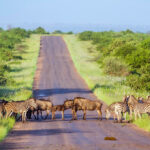
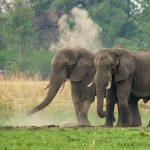
In addition to big cats, you’ll have the opportunity to see large herds of elephants, buffaloes, and the rare Grevy’s zebra, distinguishable by its narrow stripes and larger size compared to the common plains zebra.
Visit to a Samburu Village
In the afternoon, take a break from wildlife viewing and immerse yourself in the local culture with a visit to a traditional Samburu village. The Samburu people, closely related to the Maasai, have maintained their semi-nomadic way of life, herding cattle and goats across the arid plains. During your visit, you’ll learn about their customs, traditions, and daily life, and you’ll have the chance to purchase handmade beadwork and crafts as souvenirs.
Evening Game Drive: Sunset Over the Savannah
As the sun begins to set, head out on another game drive to witness the beauty of Samburu’s landscapes bathed in golden light. The reserve’s vast plains and rugged hills create a dramatic backdrop for wildlife viewing, and the cooler evening temperatures bring many animals out of the shade. Afterward, return to your lodge for dinner and a relaxing evening.
Day 3: Explore Buffalo Springs and Shaba National Reserves
On day three, you’ll venture beyond Samburu to explore the neighboring Buffalo Springs and Shaba National Reserves, both of which offer unique wildlife experiences and breathtaking scenery.
Morning Game Drive in Buffalo Springs
Start your day with a game drive in Buffalo Springs National Reserve, known for its beautiful natural springs and large populations of elephants and buffaloes. The reserve shares its borders with Samburu, but its more wooded terrain offers a different safari experience. As you drive through the park, you’ll have the chance to spot animals such as giraffes, cheetahs, and the elusive leopard, often seen resting in the trees.
Visit to Shaba National Reserve
In the afternoon, head to Shaba National Reserve, a less-visited but equally stunning park that is famous for its dramatic landscapes and connection to Joy Adamson, author of Born Free. Shaba’s rugged terrain, dotted with volcanic formations and rolling hills, provides a striking contrast to the open plains of Samburu and Buffalo Springs.
Shaba is also home to a variety of wildlife, including grevy’s zebras, oryxes, and eland, and its remote location means fewer vehicles, allowing for a more peaceful safari experience. After a day of exploration, return to your lodge for dinner and a restful evening.
Day 4: Journey to Laikipia Plateau
On day four, you’ll depart Samburu and head to the stunning Laikipia Plateau, one of Kenya’s most exciting conservation areas. Located between Mount Kenya and the northern desert, Laikipia is home to private conservancies and ranches that focus on sustainable tourism and wildlife conservation.
Scenic Drive to Laikipia
The drive to Laikipia takes you through picturesque landscapes, from arid plains to lush highlands. Along the way, you’ll pass through small villages and agricultural areas, offering a glimpse into rural Kenyan life. Upon arrival in Laikipia, you’ll check into your luxury lodge or eco-camp, which will be your base for the next few days.
Afternoon Game Drive: Discovering Laikipia’s Wildlife
In the afternoon, set out on your first game drive in one of Laikipia’s private conservancies. The region is known for its rich wildlife, including rhinos, lions, elephants, and giraffes, as well as more elusive species like the African wild dog and leopard.
The private conservancy model in Laikipia allows for more exclusive game viewing experiences, with fewer vehicles and more opportunities for off-road driving. After an exciting afternoon of wildlife sightings, return to your lodge for a delicious dinner and a night under the stars.
Day 5: Full-Day Safari in Laikipia Plateau
Day five is dedicated to a full-day safari in Laikipia, exploring the vast landscapes and encountering the region’s incredible wildlife.
Morning Game Drive: Rhinos and More
Laikipia is home to some of Kenya’s most important rhino sanctuaries, where both black and white rhinos are protected. During your morning game drive, you’ll have the chance to see these majestic animals up close, along with other iconic species such as lions, buffaloes, and giraffes.
The conservancies of Laikipia are also known for their commitment to wildlife conservation and community involvement, and your visit helps support these important initiatives.
Walking Safari and Bush Lunch
In the afternoon, enjoy a walking safari led by an experienced guide, offering a more intimate way to experience Laikipia’s wildlife and landscapes. As you walk through the savannah and woodlands, your guide will point out animal tracks, birds, and smaller creatures that are often overlooked on game drives.
Afterward, enjoy a bush lunch in the heart of the wilderness, surrounded by the sights and sounds of nature. Dining in the bush is a special experience that allows you to savor the beauty of your surroundings while enjoying a delicious meal.
Evening Game Drive and Sundowners
End the day with an evening game drive, followed by a traditional sundowner—a refreshing drink enjoyed as the sun sets over the African landscape. The golden light and cool evening air make this the perfect time to reflect on the day’s adventures before returning to your lodge for dinner.
Day 6: Explore Lewa Wildlife Conservancy
On day six, you’ll visit the renowned Lewa Wildlife Conservancy, a UNESCO World Heritage Site and one of Kenya’s leading conservation success stories.
Morning Game Drive in Lewa Conservancy
Lewa is famous for its rhinoceros conservation efforts, and during your morning game drive, you’ll have the opportunity to see both black and white rhinos thriving in their natural habitat. The conservancy is also home to a wide range of wildlife, including elephants, lions, cheetahs, and giraffes, as well as the endangered Grevy’s zebra.
Afternoon Conservation Talk
In the afternoon, you’ll have the chance to attend a conservation talk at Lewa, where you’ll learn about the ongoing efforts to protect Kenya’s wildlife and ecosystems. Lewa is a model of sustainable tourism and community involvement, and your visit directly supports their important work.
After a day of exploration and learning, return to your lodge in Laikipia for dinner and a relaxing evening.
Day 7: Visit to Ol Pejeta Conservancy
Day seven takes you to the nearby Ol Pejeta Conservancy, known for its Big Five wildlife and chimpanzee sanctuary.
Morning Game Drive: Big Five Safari
Ol Pejeta is one of the best places in Kenya to see the Big Five—lions, leopards, elephants, rhinos, and buffaloes—all in one place. During your morning game drive, you’ll explore the conservancy’s diverse habitats, from open plains to riverine forests, encountering a variety of wildlife along the way.
Chimpanzee Sanctuary Visit
Ol Pejeta is also home to the only chimpanzee sanctuary in Kenya, established in partnership with the Jane Goodall Institute. A visit to the sanctuary offers the chance to see rescued chimpanzees in a safe, rehabilitative environment and learn about the challenges facing these endangered primates.
After a full day of wildlife encounters, return to your lodge in Laikipia for dinner and another night under the stars.
Day 8: Cultural Visit and Scenic Game Drive in Laikipia
Day eight offers a mix of cultural immersion and wildlife exploration, with a visit to a local community and a scenic game drive through Laikipia’s stunning landscapes.
Visit to a Local Community
In the morning, you’ll have the opportunity to visit a local Maasai or Samburu community, where you’ll learn about their traditional way of life, including their close relationship with the land and wildlife. This cultural visit provides insight into the daily lives of the people who call this region home, and it’s a meaningful way to support local communities.
Scenic Game Drive: Final Safari in Laikipia
In the afternoon, enjoy a scenic game drive through Laikipia’s rolling hills, woodlands, and open plains. This is your final chance to spot the region’s wildlife, including rhinos, elephants, giraffes, and possibly the rare African wild dog.
Return to your lodge for dinner and a final evening in the wilderness.
Day 9: Morning Game Drive and Departure
On the final day of your 9 Days Northern Kenya Safari, you’ll have time for one last morning game drive before departing Laikipia and returning to Nairobi.
Morning Game Drive: Farewell to Northern Kenya
Take advantage of the early morning hours to enjoy a few last wildlife sightings before leaving the bush. Whether it’s a pride of lions on the move or a herd of elephants crossing the plains, your final game drive offers a fitting farewell to northern Kenya’s incredible wildlife.
Transfer Back to Nairobi
After breakfast, check out of your lodge and begin the journey back to Nairobi, where your 9-day safari adventure comes to an end. You’ll arrive in Nairobi in the late afternoon, marking the conclusion of your unforgettable journey through northern Kenya’s wilderness.
What to Pack for Your Northern Kenya Safari
Here’s a checklist of essentials for your 9 Days Northern Kenya Safari:
- Lightweight, Neutral-Colored Clothing: Ideal for game drives and walking safaris.
- Comfortable Walking Shoes: Sturdy, closed-toe shoes for walking safaris and cultural visits.
- Sun Hat, Sunglasses, and Sunscreen: Essential for protection from the sun during outdoor activities.
- Insect Repellent: Northern Kenya is home to various insects, so it’s important to protect yourself from bites.
- Binoculars: A must-have for spotting wildlife from a distance, especially during game drives.
- Camera: Capture stunning shots of wildlife and landscapes.
- Reusable Water Bottle: Staying hydrated is crucial during long days of safari activities.
Best Time to Visit Northern Kenya
The best time for a Northern Kenya Safari is during the dry season, which runs from June to October. During these months, wildlife is easier to spot as animals gather around water sources, and the weather is ideal for game drives and cultural visits.
The wet season (November to May) brings more rain and lush green landscapes, but wildlife can be more dispersed, and some roads may become difficult to navigate. However, the wet season is excellent for birdwatching, as migratory species arrive in the region.
FAQs
What wildlife can I expect to see on a Northern Kenya safari?
You can expect to see a variety of wildlife, including elephants, lions, leopards, rhinos, and the unique species of the region, such as Grevy’s zebras, reticulated giraffes, and beisa oryx. The private conservancies in Laikipia also offer a chance to see rare species like the African wild dog.
When is the best time to visit Northern Kenya?
The best time to visit is during the dry season (June to October), when wildlife is more concentrated around water sources, and the weather is cooler.
What should I pack for a Northern Kenya safari?
Pack lightweight clothing, comfortable shoes, a sun hat, sunglasses, sunscreen, insect repellent, binoculars, and a camera. A reusable water bottle is also recommended for staying hydrated.
Can I visit a Samburu village during my safari?
Yes, many Northern Kenya safaris include a visit to a Samburu village, where you can learn about their traditional culture and way of life.
How long does it take to get to Samburu from Nairobi?
The drive from Nairobi to Samburu National Reserve takes approximately 6-7 hours, depending on road conditions and traffic.
A 9 Days Northern Kenya Safari offers a truly immersive experience in one of Kenya’s most untamed and remote wildernesses. From the iconic wildlife of Samburu and Laikipia to the cultural richness of the Samburu and Maasai people, this safari promises unforgettable encounters with nature and a deeper connection to Kenya’s wild frontier. Whether you’re watching a lion pride hunt in the savannah or admiring the scenic beauty of the Laikipia Plateau, every moment of this adventure will leave you with memories to last a lifetime.(9 Days Northern Kenya Safari)
Explore Our Tours